Advertisement










Private equity has played a significant role in shaping Indi...
In today’s real estate landscape, fitness is often treated...
In this episode of Prop Personalities, we sit down with Hars...
Luxury real estate is one of the most talked-about segments ...
Welcome to Prop Personalities by Prop News Time - a podcast ...
The Greater Chennai Corporation (GCC) has recently imposed strict regulations aimed at reducing dust emissions from construction activities in response to rising air pollution levels. Builders are now required to install high barricades, utilize dust suppression techniques, and ensure proper waste management. Non-compliance could result in fines ranging from INR 10,000 to INR 500,000, depending on the project's scale and severity of violations. The GCC has also mandated 24/7 CCTV surveillance for high-rise constructions to monitor adherence. These measures aim to address the daily generation of approximately 800 metric tonnes of construction and demolition waste in the city.
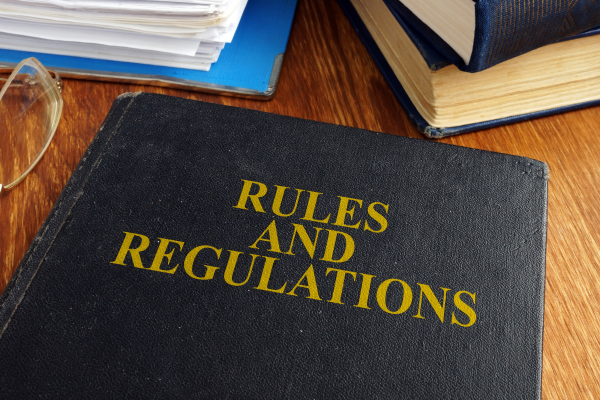
In an effort to address the declining quality of the air caused by construction, the Greater Chennai Corporation (GCC) has issued detailed regulations requiring builders to use dust control techniques. These directives, effective from earlier this week, emphasize the installation of dust barriers, proper covering of waste materials, and the use of water sprays to mitigate dust emissions. Advertisement


For construction sites up to one acre, builders are required to erect 6-meter-high metal or sheet barricades. Projects exceeding one acre or buildings taller than 70 meters, including all Ready-Mix Concrete (RMC) plants, must have 10-meter-high metal barriers. Additionally, all construction and demolition structures should be covered with high-density fabric, tarpaulin, or double-layered green mesh to prevent dust dispersion. Water spraying in dust-generating areas is now mandatory, and excavated soil and debris must be stored within designated areas on-site, covered with at least 200 GSM high-density polyethylene sheets or tarpaulins.
To ensure compliance, high-rise construction sites (above 18.5 meters) must install CCTV surveillance systems, with footage accessible to GCC officials for inspection. Furthermore, any waste material generated during construction must be transported only to designated areas to prevent open-air dispersion.
Non-compliance with these guidelines will result in a warning notice, granting a 15-day period for rectification. Failure to comply within this timeframe will attract penalties ranging from INR 10,000 to INR 500,000, based on the project's size and the severity of violations.
This initiative comes in the wake of Chennai generating approximately 6,150 metric tonnes of solid waste daily, with an additional 800 metric tonnes attributed to construction and demolition activities. The GCC's proactive measures aim to address the improper handling and transportation of such waste, which significantly contributes to the city's air pollution.
Residents have been invited to share their suggestions and feedback on these guidelines via email within 30 days, reflecting the GCC's commitment to community involvement in environmental governance.

5th Jun, 2025

25th May, 2023

11th May, 2023

27th Apr, 2023
Advertisement





 Facebook
 Whatsapp
