Advertisement










When should a housing society in Mumbai start considering re...
From GST on JDAs to SEBI’s REIT reclassification and the S...
Stay ahead in the world of real estate with our daily podcas...
Stay ahead in the world of real estate with our daily podcas...
The Chandigarh administration has decided to adjust excess property tax payments in the 2026-27 bills instead of issuing refunds, following public outcry over steep rate hikes. Earlier, residential taxes were tripled and commercial taxes doubled, leading to protests. Rates were later revised, reducing residential hikes to two times and commercial taxes to 5% of annual value. Over 9,000 taxpayers have already cleared dues, contributing around INR 5 crore. Revised bills reflecting lower rates will soon be issued. Managing about 1.42 lakh properties, the administration aims to balance revenue needs with citizen concerns, simplifying the process through adjustments rather than individual refunds.
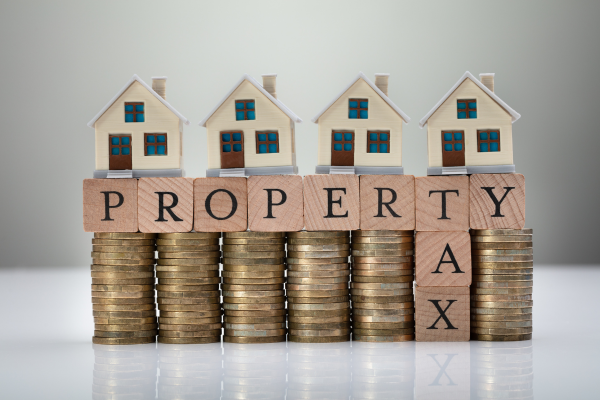
The Chandigarh administration has decided to adjust the excess property tax payments made by taxpayers in the 2026-2027 financial year's property tax bills instead of issuing refunds. This decision follows a significant increase in property tax rates and subsequent public outcry. Earlier this month, the municipal corporation implemented a sharp hike in the residential and commercial property tax rates, which led to concerns among property owners about the increased financial burden. Advertisement


In response to these concerns, the Chandigarh administration stated that taxpayers who had paid more than the revised rates would have the excess amount adjusted against their property tax bills for the next financial year. The adjustment will be made rather than processing individual refunds, simplifying the process for both taxpayers and the administration.
Since April 1, the administration has successfully collected around INR 5 crore in property tax payments. More than 9,000 taxpayers have already cleared their dues under the new tax structure. Among these, over 8,200 residential property owners have contributed INR 3.72 crore, while 840 commercial property owners paid INR 1.28 crore in taxes. These figures highlight the wide-reaching impact of the tax hike and the administration's success in collecting revenue despite the controversy surrounding the increases.
Initially, the property tax hike was met with widespread criticism due to the steep increase in rates. The original notification proposed a threefold increase in residential property tax and a twofold increase in commercial property tax. This led to a series of protests and demands for a reduction in the proposed rates. In response to these concerns, the Chandigarh administration made some revisions to the rates. The residential property tax hike was reduced from three times the previous rates to two times, while the commercial property tax rate was brought down from 6% to 5% of the annual rateable value.
Following the revised rates, the municipal corporation began distributing property tax bills to residents and commercial property owners. Initially, around 10,000 to 12,000 property tax bills were issued based on the previous rates. However, with the revision in rates, fresh bills incorporating the revised charges will be issued. The municipal corporation has indicated that it will soon begin printing and distributing the updated tax bills to ensure that all taxpayers are properly billed according to the new rates.
Chandigarh's municipal corporation manages approximately 1.42 lakh properties, which include 1.12 lakh residential and 30,000 commercial properties. Commercial properties contribute significantly to the city's tax revenue, with commercial property owners making up a substantial portion of the total property tax collections. This revenue is essential for the administration to fund the city's infrastructure and services.
By opting for adjustments over refunds, the administration aims to simplify the process for both taxpayers and itself. This decision underscores the importance of responsive and transparent governance in balancing the city's financial health with the concerns of its residents.

5th Jun, 2025

25th May, 2023

11th May, 2023

27th Apr, 2023
Advertisement








 Facebook
 Whatsapp
