Advertisement










Private equity has played a significant role in shaping Indi...
In today’s real estate landscape, fitness is often treated...
In this episode of Prop Personalities, we sit down with Hars...
Luxury real estate is one of the most talked-about segments ...
Welcome to Prop Personalities by Prop News Time - a podcast ...
The Mumbai Metropolitan Region Development Authority (MMRDA) is advancing plans for Metro Line 14, a 45 km corridor linking Kanjurmarg to Badlapur, enhancing connectivity to Mumbai's eastern suburbs. Currently in the Detailed Project Report (DPR) phase, construction is expected to commence within a year. The line will pass through key areas like Ambernath and Dombivli, reducing congestion and travel time. Environmental assessments and regulatory approvals are underway. This expansion aligns with Mumbai's broader metro development strategy, promising improved suburban mobility, increased real estate investments, and reduced vehicular pollution, supporting sustainable urban growth.
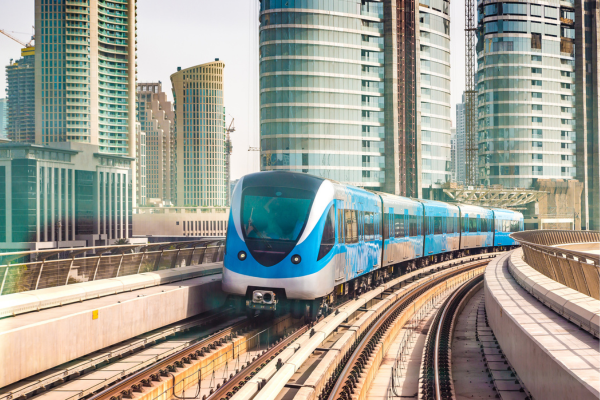
The Mumbai Metropolitan Region Development Authority (MMRDA) is advancing plans for Metro Line 14, a 45 km corridor connecting Kanjurmarg to Badlapur. This line aims to enhance connectivity between Mumbai and its eastern suburbs. The project is currently in the Detailed Project Report (DPR) phase, with construction anticipated to commence within a year. Advertisement


Metro Line 14 is designed to serve as a vital link for commuters traveling between Mumbai and Badlapur, passing through key areas such as Ambernath and Dombivli. By providing a direct and efficient transit option, the line is expected to alleviate congestion on existing road networks and reduce travel time for daily commuters.
The MMRDA has initiated the process of appointing consultants to prepare an environmental impact report and secure necessary approvals, including those from forest and wildlife authorities. This step is crucial to ensure that the project adheres to environmental regulations and minimizes ecological disruption.
The development of Metro Line 14 aligns with Mumbai's broader strategy to expand its metro network, aiming to improve urban mobility and accommodate the city's growing population. Similar initiatives have been undertaken in other Indian cities to enhance suburban connectivity. For instance, the Delhi Metro's expansion plans include Phase 5, which will add 350 kilometers to the network, connecting areas in Noida, Gurgaon, Faridabad, and Ghaziabad.
In Bengaluru, the Namma Metro project is extending its reach to suburban areas like Whitefield and Electronic City, key IT hubs. These expansions aim to provide efficient public transport options, reduce traffic congestion, and support economic growth in the peripheries of major urban centers.
The implementation of Metro Line 14 is anticipated to have significant socio-economic benefits for the Mumbai Metropolitan Region. Improved connectivity is expected to boost real estate development along the corridor, particularly in areas like Shilphata, Ambernath, and Badlapur. Enhanced accessibility may lead to increased property values and attract investments in residential and commercial projects.
Furthermore, the metro line is projected to reduce vehicular traffic on key arterial roads, contributing to decreased air pollution and promoting sustainable urban development. By offering a reliable and efficient alternative to road transport, Metro Line 14 supports the city's efforts to create an integrated and eco-friendly transportation network.

5th Jun, 2025

25th May, 2023

11th May, 2023

27th Apr, 2023
Advertisement





 Facebook
 Whatsapp
