Advertisement










When should a housing society in Mumbai start considering re...
From GST on JDAs to SEBI’s REIT reclassification and the S...
Stay ahead in the world of real estate with our daily podcas...
Stay ahead in the world of real estate with our daily podcas...
Germany is struggling to meet its housing targets amid a worsening shortage. A recent study found that the country needs 320,000 new apartments annually by 2030, but only 216,000 were approved in 2024, the slowest pace since 2010. The housing crisis has been exacerbated by rising interest rates, which have stalled construction projects, caused job losses, and pushed developers into financial trouble. Hopes for a recovery in 2025 have been dampened by further increases in borrowing costs. With demand growing, particularly in cities like Berlin, Munich, and Frankfurt, Germany faces mounting challenges in addressing its housing deficit.
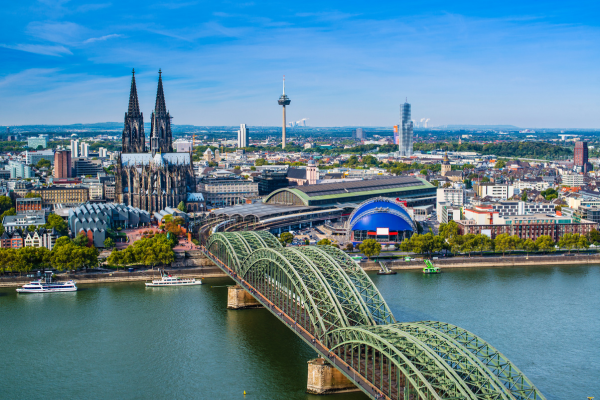
Germany is facing a major housing shortage, and the government has set a goal of building 400,000 apartments annually to address the issue. The demand for housing has increased, especially in cities like Berlin, Munich, and Frankfurt, due to population growth and an influx of immigrants from Ukraine and Syria. Advertisement


For years, Germany's real estate market was booming. However, in 2022, the European Central Bank (ECB) raised interest rates sharply to control inflation. This led to a crisis in the housing sector-construction slowed, property developers faced financial troubles, and building sales dropped.
A recent study by the Federal Institute for Research on Building, Urban Affairs, and Spatial Development (BBSR), commissioned by the German housing ministry, found that Germany now needs to build 320,000 apartments per year by 2030 to meet housing demands.
However, the country is far from reaching this target. In 2024, permits were granted for only 216,000 apartments, the slowest pace since 2010. This is well below the government's target and highlights the struggles of the construction sector.
Germany's real estate industry, valued at 730 billion euros, has been in distress since 2022. When interest rates rose, borrowing became more expensive, leading to stalled construction projects, job losses, and financial difficulties for developers. Industry leaders had hoped for a recovery in 2025, but a recent rise in borrowing costs, linked to government spending plans, is further delaying progress.
With construction levels at a historic low and financing conditions worsening, Germany faces an uphill battle in resolving its housing crisis. Without significant policy changes or financial support, the country may continue to struggle to meet its housing goals.

5th Jun, 2025

25th May, 2023

11th May, 2023

27th Apr, 2023
Advertisement








 Facebook
 Whatsapp
