Advertisement










When should a housing society in Mumbai start considering re...
From GST on JDAs to SEBI’s REIT reclassification and the S...
Stay ahead in the world of real estate with our daily podcas...
Stay ahead in the world of real estate with our daily podcas...
Australia's property-prices rose 0.4% in March, reaching a record-high of AUD 820,331 (USD 515,332) after the first rate-cut in over four years, according to CoreLogic. The increase was broad-based, except for Hobart, with Sydney up 0.3% and Melbourne gaining 0.5%. CoreLogic's Tim Lawless attributed the rise to improved sentiment and borrowing-capacity. Despite strong immigration and supply-constraints, affordability challenges remain. The Reserve Bank of Australia is expected to hold rates at 4.1% but may cut three times this year. CoreLogic cautions that restrictive rates still limit growth, though government relief, income-gains, and employment support prices.
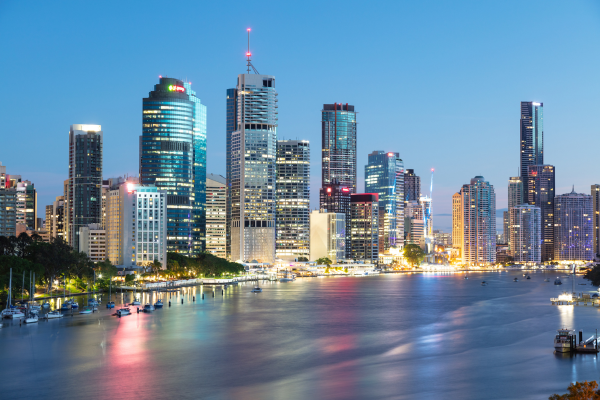
Australia's property market saw a 0.4% increase in home prices in March, reaching a record-high average of AUD 820,331 (USD 515,332), according to data from property consultancy CoreLogic, soon to be rebranded as Cotality. This growth followed the first interest rate cut in over four years, which improved buyer sentiment and slightly increased borrowing capacity. However, questions remain about whether this upward trend will be sustained, given ongoing affordability concerns. Advertisement


The price increase was observed across most of the country, with every capital city experiencing gains except Hobart. Sydney recorded a 0.3% rise, while Melbourne saw a stronger uptick of 0.5%. Tim Lawless, CoreLogic's research director, attributed the rise to improved market confidence following the Reserve Bank of Australia's (RBA) February rate reduction. He noted that while this boost in sentiment has positively impacted property values, the long-term trajectory remains uncertain as affordability challenges persist.
The housing market had been on a year-long downward trend, pressured by decade-high interest rates. However, strong population growth due to immigration and limited housing supply helped accelerate its recovery earlier than anticipated. A slight three-month decline ended following the RBA's quarter-point rate cut, signaling renewed stability.
Despite this turnaround, affordability constraints continue to weigh on the market. The RBA is widely expected to maintain the cash rate at 4.1% in its upcoming policy meeting, though financial markets anticipate three additional rate cuts this year, potentially bringing rates down to 3.35% starting in May. While lower interest rates generally support housing demand, CoreLogic cautioned that even with multiple cuts, borrowing conditions remain restrictive. Until mortgage serviceability improves significantly, sustained property price growth may be limited.
At the same time, several factors continue to provide support for the market. Government cost-of-living relief measures, rising household incomes, and a strong labor market are expected to help sustain housing demand. These economic conditions may counterbalance some of the affordability pressures, but whether they will be enough to drive consistent long-term price growth remains uncertain.
The coming months will be crucial in determining whether the recent momentum can be sustained. If borrowing conditions improve and interest rate cuts proceed as expected, demand could strengthen further. However, persistent affordability issues may keep price growth subdued despite favorable economic indicators.
In summary, Australia's housing market rebounded in March following an interest rate cut, with broad-based price increases except in Hobart. While immigration, supply shortages, and government policies continue to provide support, restrictive borrowing conditions and affordability concerns could temper further gains. The outlook will depend on future interest rate movements and how they impact buyer confidence and mortgage accessibility.

5th Jun, 2025

25th May, 2023

11th May, 2023

27th Apr, 2023
Advertisement








 Facebook
 Whatsapp
