Advertisement








When should a housing society in Mumbai start considering re...
From GST on JDAs to SEBI’s REIT reclassification and the S...
Stay ahead in the world of real estate with our daily podcas...
Stay ahead in the world of real estate with our daily podcas...
Ziro in Arunachal Pradesh, known for its Apatani heritage, is now a model for rural innovation and sustainable development. At the heart of this change is the Tarin Integrated Aqua Park, a modern facility supporting over 1,000 fish farmers with hatcheries, solar tech, and training. Ziro also launched Arunachal's first AI and Robotics Lab to train tribal youth in coding and automation. Instead of large highways, Ziro promotes green transport through e-rickshaws and cycle paths. It's also restoring traditional bamboo homes for eco-tourism. With a focus on local culture, climate resilience, and skill-building, Ziro is creating people-centered, eco-friendly infrastructure that sets a new standard for rural progress.
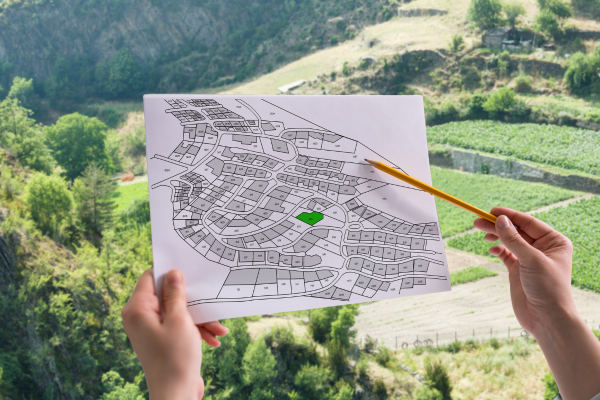
Best known for its ancient Apatani settlements and UNESCO heritage nomination, Ziro is now becoming a national model for rural innovation, green infrastructure, and decentralized development in Arunachal Pradesh. Advertisement


Leading the charge is the Integrated Aqua Park (IAP) at Tarin, a first-of-its-kind facility in the Northeast under the Pradhan Mantri Matsya Sampada Yojana. Commissioned with a central grant of INR 14.99 crore, the Aqua Park is not just a fish farm but a modern training, research, and cold storage hub built to serve over 1,000 small aquaculture farmers from surrounding villages. The park includes bio-secure hatcheries, feed units, solar-powered aeration systems, and indigenous trout breeding ponds. It represents Ziro's push toward a climate-resilient and economically viable agri-allied economy.
But Ziro's transformation isn't only about production-it's also about education. In 2024, Arunachal's first Artificial Intelligence and Robotics Lab was launched at the Mahatma Gandhi Centre for Computer Literacy and Skill Development in Hong village, about 3 km from Ziro town. Backed by a INR 1.2 crore grant from the state innovation fund and executed in partnership with a Bengaluru-based edtech startup, this lab is training tribal youth in coding, automation, and machine learning-skills that are otherwise difficult to access in remote Himalayan regions.
On the connectivity front, while most of Arunachal's focus remains on highway and tunnel mega-projects, Ziro has taken a different route: decentralized green transport. The district administration has proposed a INR 5 crore low-emission 'Last Mile Mobility Corridor' within the valley that will integrate e-rickshaws, cycle tracks, and foot trails. Pilots have already begun on a 3.5-km stretch between Hija and Hari villages, where battery-powered e-carts are helping elderly Apatani farmers access markets and health centres.
Infrastructure in Ziro is also being designed with culture in mind. The state's Department of Indigenous Affairs, in collaboration with the Apatani Women's Welfare Society, has sanctioned INR 8.4 crore for the restoration of traditional bamboo longhouses and the development of eco-tourism homestays. Unlike the concrete builds seen in most hill towns, Ziro is pioneering earthquake-resistant hybrid structures that combine traditional Apatani timber framing with modern bamboo composites.
From smart aquaculture to sustainable mobility and culturally sensitive tourism, Ziro is not chasing the usual playbook of highways and flyovers. Instead, it's writing a new chapter in grassroots infrastructure-one that places people, ecology, and knowledge at the core.

5th Jun, 2025

25th May, 2023

11th May, 2023

27th Apr, 2023
Advertisement








 Facebook
 Whatsapp
