Advertisement








When should a housing society in Mumbai start considering re...
From GST on JDAs to SEBI’s REIT reclassification and the S...
Stay ahead in the world of real estate with our daily podcas...
Stay ahead in the world of real estate with our daily podcas...
The Delhi Urban Shelter Improvement Board (DUSIB) has started the process of shortlisting firms to repair over 2,400 flats in northwest Delhi's Savda Ghevra. These flats, built nearly a decade ago under the Jawaharlal Nehru National Urban Renewal Mission (JNNURM), will be used to house slum dwellers currently living in various JJ bastis across the capital. The repairs, estimated to cost approximately INR 14.75 crore, will be completed in two phases, with the first 1,000 flats set to be ready within three months. The relocation initiative aligns with Delhi's broader urban development goals, including reducing overcrowding and improving access to essential services. The project is expected to contribute to long-term social and economic upliftment in these communities.
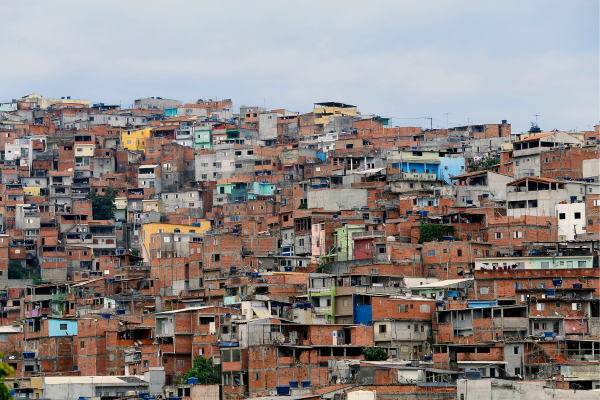
Following the high court's directions, the Delhi Urban Shelter Improvement Board (DUSIB) has started shortlisting firms to repair over 2,400 flats in Savda Ghevra, northwest Delhi, to make them habitable. These flats, built nearly a decade ago under the Jawaharlal Nehru National Urban Renewal Mission (JNNURM), have seen limited occupancy, with only a few currently in use. Advertisement


Designed for the economically weaker section (EWS), these flats are intended to house slum dwellers from various JJ bastis across the capital. Officials state that out of 3,560 EWS flats in Phase III of Savda Ghevra, 2,416 will be repaired in the first phase. The first 1,000 flats are expected to be ready within three months, while the remaining 1,416 flats will be completed in the following three months. The total repair cost is estimated at INR 14.75 crore.
Earlier this week, sources shared that in September 2023, the high court set up a high-powered committee to fast-track the allocation of 9,104 newly constructed flats in Delhi to eligible beneficiaries. During the third meeting of the committee, it was recommended that up to 2,500 flats at Savda Ghevra be earmarked for slum rehabilitation, focusing on pre-identified JJ bastis. The Delhi government is expected to provide funds to DUSIB and allow the agency to access resources from land-owning agencies and beneficiaries to make the flats available for resettlement. Once slum dwellers are relocated, the land will be cleared and handed over to the respective land-owning agencies.
While DUSIB handles the repair work, other agencies like the Delhi Jal Board will conduct site inspections and provide cost estimates for water, sewerage, electricity connections, and other civil amenities to ensure the flats are fully habitable. Each flat is between 350 sq ft and 400 sq ft in size.
This project is part of Delhi's broader urban development strategy aimed at addressing housing shortages, reducing overcrowding in slum areas, and integrating marginalized communities into the city's urban fabric. By providing safe, affordable housing in well-planned locations like Savda Ghevra, the initiative helps in promoting inclusive growth, ensuring that underserved populations benefit from improved living conditions. It aligns with the government's objective of sustainable urban development, contributing to the city's long-term growth and urban renewal goals.
As part of the rehabilitation, there is potential for the inclusion of energy-efficient designs and sustainable building practices. These flats may incorporate eco-friendly features such as water conservation systems, waste management strategies, and energy-efficient lighting and insulation. By prioritising sustainability, the project could serve as a model for future housing initiatives that balance environmental concerns with urban development needs.

5th Jun, 2025

25th May, 2023

11th May, 2023

27th Apr, 2023
Advertisement








 Facebook
 Whatsapp
