Advertisement










When should a housing society in Mumbai start considering re...
From GST on JDAs to SEBI’s REIT reclassification and the S...
Stay ahead in the world of real estate with our daily podcas...
Stay ahead in the world of real estate with our daily podcas...
U.N.-Habitat warns that the global urban slum population is set to triple, reaching 3 billion by 2050, fueled by rapid urbanization and an escalating housing crisis. Eight countries, including Nigeria, the Philippines, and India, are expected to bear half of this increase. Housing scarcity is now a global problem, with even developed countries like the US, Britain, and Germany facing severe shortages. The Kenyan President's strategy to build 250,000 affordable homes annually signals the urgent need for governments worldwide to prioritize housing in their development plans.
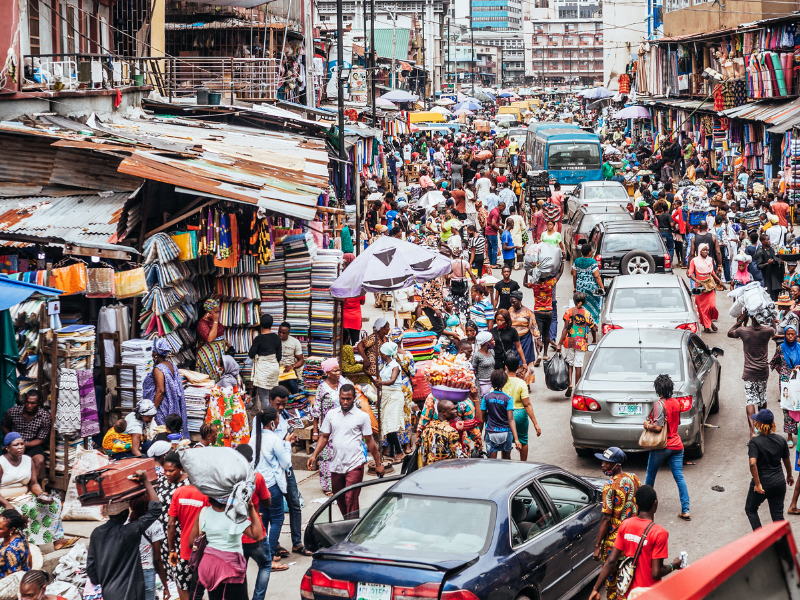
The global community is on the cusp of a swelling urban slum population, predicted to multiply from the current one billion to three billion by mid-century, warns the United Nations' urban development agency, U.N.-Habitat. Faced with the prospect of burgeoning city dwellers living on the brink, the world must confront an urgent challenge in providing fundamental services like housing, water, sanitation, and electricity.
Advertisement


As the world witnesses an accelerated pace of urbanization, the number of people calling cities their home is projected to rise from 50% to 70% by 2050. A grave concern looms as eight nations, namely Nigeria, the Philippines, Ethiopia, Tanzania, India, the Democratic Republic of Congo, Egypt, and Pakistan, are anticipated to shoulder half of this surge in slum dwellers.
For long, the world associated housing scarcity as a problem unique to the developing world. However, a housing crisis of global proportions is upon us, with developed countries such as the United States, Britain, and Germany facing acute shortages. As the Organization of Economic Cooperation and Development (OECD) reports, housing costs in many member countries have outstripped earnings and inflation in recent years.
Leaders across the world are acknowledging the crisis and taking strides to address it. A notable example is Kenyan President William Ruto, who, after assuming office last year, has put affordable housing at the forefront of his administration's development agenda. His ambitious plan envisages the construction of 250,000 annually affordable homes for low-income groups, including residents of informal settlements such as Kibera.
In conclusion, this unprecedented wave of urbanization and the ensuing housing crisis call for swift and strategic global action. As cities become home to a vast majority of the world's populace, ensuring access to essential amenities becomes a critical priority. The promise of urban opportunity should not be overshadowed by the peril of urban poverty and inequality. The potential tripling of slum dwellers by 2050 is a wake-up call for governments worldwide to put affordable, adequate housing at the top of their agendas. After all, housing is more than a roof over our heads - it's the foundation for a dignified and secure life.

5th Jun, 2025

25th May, 2023

11th May, 2023

27th Apr, 2023
Advertisement








 Facebook
 Whatsapp
