Advertisement








When should a housing society in Mumbai start considering re...
From GST on JDAs to SEBI’s REIT reclassification and the S...
Stay ahead in the world of real estate with our daily podcas...
Stay ahead in the world of real estate with our daily podcas...
As part of Maharashtra's 100-day action plan, MHADA has launched a wide-ranging initiative to improve administrative efficiency, citizen services, and environmental sustainability. Under the leadership of VP & CEO Sanjeev Jaiswal, the organisation carried out a large-scale cleanliness and record classification drive, actively engaging over 700 employees. The initiative also includes introducing citizen-centric measures, enhancing digital services, and promoting eco-friendly waste disposal practices. By setting a benchmark for public-sector reforms, MHADA aims to improve its public image, employee morale, and operational efficiency, creating a replicable model for other government organisations.
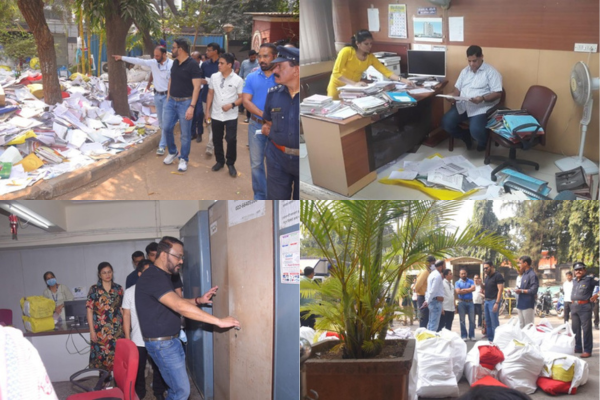
In line with the Maharashtra government's 100-day action plan, launched under the directives of Chief Minister Devendra Fadnavis and Deputy Chief Minister and Housing Minister Eknath Shinde, the Maharashtra Housing and Area Development Authority (MHADA) has initiated immediate measures to enhance administrative efficiency, citizen services, and environmental sustainability. Advertisement


The campaign, spearheaded by MHADA's Vice President and CEO, Sanjeev Jaiswal, IAS, began with a large-scale cleanliness and record classification drive at its headquarters in Bandra East earlier this week. This two-day initiative involved the systematic disposal of outdated records and items, with an emphasis on eco-friendly practices. Non-functional computers, furniture, and vehicles were removed, with plans in place to ensure proper recycling or disposal in line with environmental guidelines.
Despite being a non-working day, the effort saw active participation from nearly 700 employees, showcasing a remarkable sense of teamwork and dedication. Approximately one lakh files were categorised into A, B, and C groups, while obsolete D-category records were eliminated. Over 500 cleaning staff and workers, equipped with the necessary tools and transport, supported the operation.
Mr. Jaiswal personally inspected offices across all five floors of the headquarters and established a special committee, led by Chief Engineer Mahesh Jeswani, to oversee the removal of unnecessary items. This initiative aims to create a cleaner and more organised work environment, which is expected to boost employee morale and productivity.
In addition to internal improvements, MHADA has prioritised citizen engagement. Mr. Jaiswal emphasised the need for visitor-friendly premises, directing staff to provide proper seating and drinking water facilities. Designated visiting hours were introduced to streamline public interactions, and a Citizen Facilitation Centre is being established to further improve service delivery. Progress on implementing a Visitor Management System, designed to enhance public interactions, was also reviewed.
The initiative is expected to significantly enhance MHADA's public image. With improved transparency, better digital services, and visible reforms, the organisation is working to build greater trust among citizens. Mr. Jaiswal also stressed the importance of equipping MHADA's website with comprehensive information to reduce the need for RTI requests and instructed all departments to display Citizen Charters for public awareness.
Sustainability was another key focus, with the drive ensuring that waste and outdated items are disposed of responsibly. By adopting eco-friendly practices, MHADA is aligning itself with broader environmental goals, making this initiative more impactful. To ensure continuous improvement, Mr. Jaiswal proposed field visits by officials to review housing projects, with schedules communicated to citizens in advance. He also inspected the Hirakani Kaksha, a dedicated facility for breastfeeding mothers and expectant women, reviewing safety measures and amenities available for women employees and visitors.
A comparative perspective highlights the scale and significance of this drive. Unlike similar efforts in the past, this initiative integrates technology, sustainability, and citizen-centric measures. The implementation of the E-Office system, aimed at paperless administration, reflects MHADA's commitment to modernisation and efficiency.
The success of this initiative could set a precedent for other public-sector organisations across Maharashtra and beyond. By streamlining internal operations and improving citizen services, MHADA is demonstrating a replicable model for reform that balances operational efficiency with environmental and social responsibility.
MHADA's 100-day action plan is a comprehensive effort to enhance efficiency, sustainability, and citizen engagement. From the eco-friendly disposal of outdated materials to the establishment of citizen facilitation initiatives, the drive addresses both internal operations and public-facing services. The organisation's focus on teamwork, transparency, and innovation positions it as a leader in public-sector reforms. By setting a high standard, MHADA's efforts serve as a blueprint for other government bodies to emulate, ensuring long-term benefits for both employees and the public.

5th Jun, 2025

25th May, 2023

11th May, 2023

27th Apr, 2023
Advertisement








 Facebook
 Whatsapp
