Advertisement










When should a housing society in Mumbai start considering re...
From GST on JDAs to SEBI’s REIT reclassification and the S...
Stay ahead in the world of real estate with our daily podcas...
Stay ahead in the world of real estate with our daily podcas...
HDFC Bank has repurchased nearly INR 7,000 crore worth of its high-cost bonds in the secondary market over the past six months to improve its credit-deposit (CD) ratio, which surged to 110% following its merger with HDFC in July 2023. The move was driven by the Reserve Bank of India's directive and the bank's inability to classify these bonds as infrastructure bonds, which would have reduced its funding costs. With some bonds carrying high interest rates, replacing them with lower-cost deposits is expected to strengthen the bank's net interest margin. More such buybacks are anticipated in the coming weeks.
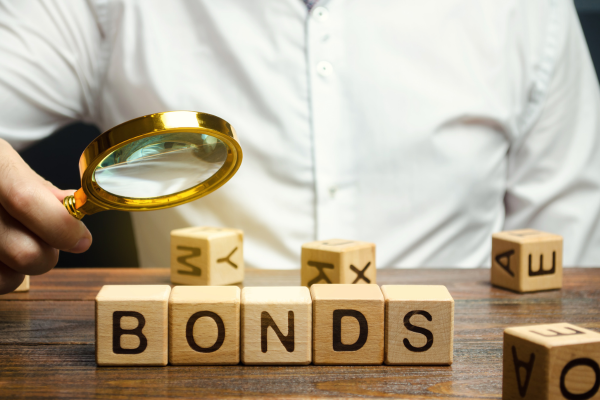
HDFC Bank, India's largest private lender, has repurchased nearly INR 7,000 crore worth of its high-cost bonds in the secondary market. The move, which has been carried out over the past six months, is aimed at improving the bank's credit-deposit (CD) ratio, according to sources familiar with the development. Advertisement


The lender's CD ratio surged to 110% after its merger with Housing Development Finance Corp (HDFC) in July 2023. This increase prompted the Reserve Bank of India (RBI) to direct the bank to bring the ratio down. A higher CD ratio indicates that a bank's total loan book exceeds its deposits, making it reliant on market borrowings for lending. While the bonds bought back represent only a fraction of HDFC Bank's outstanding borrowings, estimated at INR 4 lakh crore as of March-end 2024, industry experts believe the bank may continue with similar actions shortly.
The merger between HDFC Ltd. and HDFC Bank, announced in April 2022 and completed in July 2023, was one of the largest in Indian banking history. The merger was intended to create a stronger financial entity with improved lending capacity, but it also brought challenges, particularly in aligning HDFC's bond-heavy borrowing model with HDFC Bank's deposit-driven structure.
Before the merger, HDFC Bank's CD ratio was significantly lower. The sharp post-merger increase was primarily due to HDFC's historical reliance on bonds and commercial papers for funding, whereas banks traditionally depend more on deposits. Following the merger, HDFC Bank had to adjust to this new financial reality, prompting strategic actions such as this bond buyback.
One of the key reasons behind the bond buyback is the RBI's decision to reject the bank's request to classify these bonds, originally issued by HDFC, as infrastructure bonds. Such a classification would have reduced the bank's cost of funds, as infrastructure bonds are exempt from certain regulatory requirements, including the 4% cash reserve ratio (CRR) and the 18% statutory liquidity ratio (SLR). The CRR does not earn interest, while the SLR typically generates lower returns compared to lending. RBI has historically been cautious about granting infrastructure bond status to corporate borrowings, as it impacts regulatory reserve requirements.
Data from HDFC Bank's filing with the US Securities and Exchange Commission (SEC) indicates that some of these long-term bonds are priced as high as 9.6%. In the last week of February, the bank reportedly repurchased INR 2,500 crore worth of bonds maturing in 2033 from insurance companies, according to sources.
A financial expert familiar with the matter explained that, given the current downward interest rate cycle, new assets will be priced at lower rates as they will be linked to a floating rate structure. By replacing expensive bonds with lower-cost alternatives, the bank aims to strengthen its net interest margin while simultaneously bringing down its CD ratio.
During the December quarter, HDFC Bank acquired INR 4,400 crore worth of bonds, as confirmed by Chief Financial Officer Srinivasan Vaidyanathan in a post-earnings call in January. Another industry source noted that while a bank can reduce its loan book by slowing down lending, it cannot adopt the same approach with deposits, particularly given HDFC Bank's extensive network of over 9,100 branches. To manage its financial position, the bank has deliberately slowed lending growth while shifting from high-cost debt to lower-cost deposits, alongside actively buying back expensive bonds issued by HDFC.
HDFC Bank's ongoing buyback of high-cost bonds is a strategic move to restore balance in its financial structure after its merger with HDFC. The bank's elevated credit-deposit ratio, a direct result of HDFC's previous reliance on bonds for funding, has made it necessary to replace costly borrowings with lower-cost deposits. Additionally, the rejection of its request to classify these bonds as infrastructure bonds has further incentivized the lender to reduce its cost burden. With interest rates on a downward trend, analysts expect HDFC Bank to continue repurchasing expensive bonds to optimize its financial position. This approach not only enhances the bank's net interest margin but also aligns with regulatory requirements, ensuring long-term stability in its operations.
Inputs from Economic Times

5th Jun, 2025

25th May, 2023

11th May, 2023

27th Apr, 2023
Advertisement








 Facebook
 Whatsapp
