Advertisement










When should a housing society in Mumbai start considering re...
From GST on JDAs to SEBI’s REIT reclassification and the S...
Stay ahead in the world of real estate with our daily podcas...
Stay ahead in the world of real estate with our daily podcas...
Australia's property-market rebounded in February, with prices rising 0.3% from January, ending three months of stagnation or decline, according to CoreLogic. The national-market is now just 0.1% below its October peak. Melbourne and Hobart led-gains, each rising 0.4%. Experts attribute the uptick to improved sentiment following the first rate cut in over four years, though borrowing capacity remains constrained. The Reserve Bank of Australia plans gradual rate cuts, with rates expected to reach 3.6% by year-end. Markets with larger declines, like Melbourne and Hobart, may recover faster, while auction clearance rates have also improved.
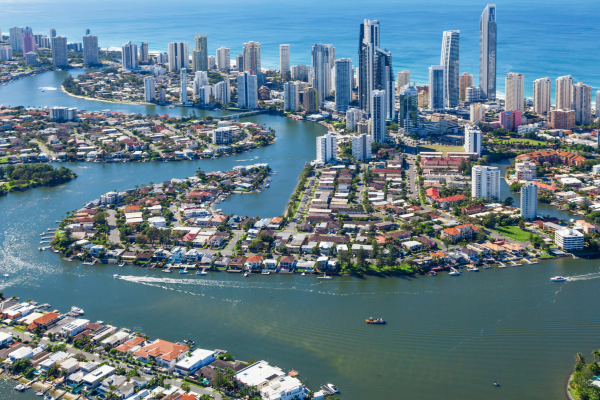
Australia's property market showed signs of recovery in February following a brief downturn, as the first interest rate cut in over four years improved buyer sentiment. According to data from property consultant CoreLogic, national home prices increased by 0.3% from January, marking the end of three months of stagnation or decline. This slight gain brought overall prices to just 0.1% below the peak recorded in October. Advertisement


Melbourne and Hobart, both of which experienced price drops over the past year, saw the most significant increases, each rising by 0.4% in February. The rebound suggests that affordability may be attracting more buyers in these cities. CoreLogic's research director, Tim Lawless, attributed the price recovery more to improved market confidence rather than any substantial change in borrowing capacity, given that the Reserve Bank of Australia (RBA) reduced interest rates by only a quarter percentage point.
Lawless noted that while the rate cut has influenced buyer sentiment, monetary policy remains restrictive, and further easing is expected to be slow. He emphasized that meaningful growth in the housing market is unlikely until home loan serviceability improves. Borrowing costs remain high, limiting the extent of any immediate resurgence in property prices.
Strong immigration levels and a persistent housing shortage had previously driven prices higher, but the market eventually lost momentum. With the recent shift in monetary policy, some renewed activity is evident, though the extent of recovery remains uncertain.
The RBA has signaled a cautious approach to further reductions, with market projections indicating just two more cuts by the end of the year, which would bring interest rates down to 3.6%. This gradual approach suggests that borrowing conditions may not ease significantly in the near term, keeping overall price growth subdued.
Lawless anticipates that cities where property values saw steeper declines, including Melbourne, Canberra, and Hobart, may see stronger rebounds as they have become more affordable. Increased affordability in these locations could attract buyers who were previously priced out, supporting further growth.
Another positive indicator is the improvement in auction clearance rates, which have returned to levels more in line with long-term averages across major auction markets. This suggests a resurgence in buyer participation, further reinforcing the notion that sentiment is shifting in a more positive direction.
While February's price increase marks a turnaround for Australia's housing market, future growth will depend on broader economic conditions, interest rate movements, and improvements in home loan affordability. Until borrowing conditions ease further, any sustained upward trend in property values is expected to be gradual.

5th Jun, 2025

25th May, 2023

11th May, 2023

27th Apr, 2023
Advertisement








 Facebook
 Whatsapp
