Advertisement










When should a housing society in Mumbai start considering re...
From GST on JDAs to SEBI’s REIT reclassification and the S...
Stay ahead in the world of real estate with our daily podcas...
Stay ahead in the world of real estate with our daily podcas...
After years of crisis, China's property sector is showing signs of recovery, attracting institutional investors and hedge funds. Shares of Hong Kong-listed mainland developers have surged 15% this month, led by state-controlled firms like China Vanke. Investors such as Shanghai Chongyang Investment and Golden Nest Capital are betting on a rebound, fueled by government intervention and market consolidation. While smaller cities still struggle with unsold inventory, prime city home prices are rising. This mirrors global real estate trends, with New York, London, Mumbai, and Dubai witnessing renewed investor interest in luxury and distressed properties.
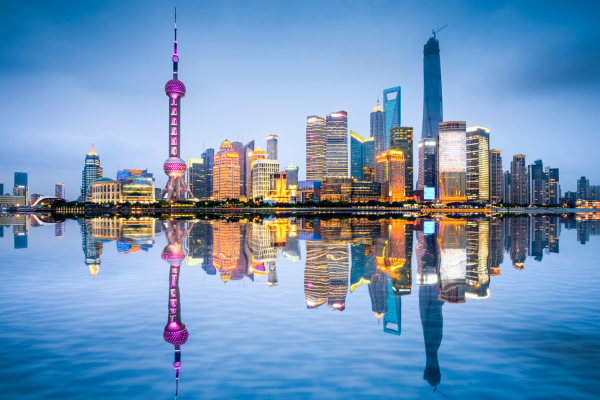
After years of crisis have landed on China's property industry, institutional investors and large hedge funds are at last buying shares in formerly deeply discounted property firms. The investors are focusing on state-controlled developers and leading real estate platforms, betting the industry is set for rebound after an extremely extended downturn. Advertisement


Recent signs are of a possible recovery. Prime city residential prices are picking up, and industry behemoth China Vanke's recapitalization proposal has boosted investor confidence. These have persuaded many to invest once more, anticipating high returns once the market stabilizes.
Wang Oing, the head of Shanghai Chongyang Investment Management with USD 5 billion in assets, added to portfolios recently big state-owned developers on the bet the sector is set to change. This would be a sign that only the elite will dominate the market. The strategy is to invest in these giants, betting they will gain larger market shares in the rebound. China's real estate sector has been a favorite target of short-sellers for years, and the recent bankruptcy of giants Evergrande and Sunac China was a significant trigger. But sentiment is now turning around as investors begin to regain confidence, buoyed by government support since September to support the market.
Hong Kong's Golden Nest Capital has also increased investments in state developers. Golden Nest CIO Stanley Tao said while new home sales decreased, the amount of developers declined even more sharply, which should provide the stage for market recovery for the remaining solid players.
The good news is already reflected in shares. Hong Kong-listed mainland property stocks jumped over 15% this month and are among the best performers, second only to tech stocks. Recovery remains uneven, however, with smaller cities still facing unsold homes and overhang. The Chinese pattern is part of a global trend in real estate. The same trend of rebound is being observed in other major markets around the world. In the United States, after a pandemic-induced fall in property values, investors are turning more and more towards distressed markets in pursuit of deals, particularly in cities like New York and San Francisco. According to recent news, property prices in some parts of the U.S. real estate market have come back, and luxury homes have been leading the way as working from home keeps driving demand for large homes.
Similarly, in Europe, particularly in the UK, the real estate market has been coming back from the initial Brexit and the COVID-19 shock. Investors are again focusing on London's prime market, where property prices plummeted in the earlier years of the decade. A recent surge in high-end property buying, especially in locations like Kensington and Chelsea, is replicated in China's high-end property, as foreign investors are returning in search of long-term stability and appreciation.
In India, too, the real estate market is in the process of recovery, particularly in the high-end segments. Property prices in metropolitan cities like Mumbai and Delhi have been increasing, courtesy the increasing demand from high-net-worth individuals, according to the National Housing Bank figures. It is due in part to policies of the government to stimulate the housing market, including tax incentives and low interest rates on home loans.
In the Middle East, particularly Dubai, the real estate market has rebounded strongly after the pandemic-induced slowdown. Dubai's real estate market saw a strong surge in luxury property sales in 2021, particularly among foreign investors, attracted by relatively lower property prices and a favorable regulatory environment. Duba's proactive approach to economic diversification and creating attractive investment policies has paid off, making it a safe haven for investors in the region.
In the Chinese case, the recent shift towards state-controlled developers and platforms like KE Holdings, a Zillow-like platform, is reflective of the general trend of investing in safer and government-backed companies. KE Holdings, with the resilience of secondary home sales and technological innovation, has been a darling of Asia's hedge funds. Hong Kong-based Aspex Management acquired 6.51 million KE Holdings shares, and other hedge funds like WT Asset Management also made additional acquisitions.
The turnaround of these poor-performing stocks indicates that investors believe the worst is over for China's housing crisis. But complete recovery will depend on persistent government intervention, restructuring efforts, and stabilization of prices in lower-tier cities.
Elsewhere in other related property news, property markets throughout the rest of Asia, such as Vietnam and Indonesia, are also providing opportunities for growth, as foreign investment continues to propel residential and commercial real estate. Domestic economies are being rebuilt and infrastructure development continues to grow in these markets, making them inviting to investors. The shift of global investing becoming more strategic and selective in real estate investments will most likely continue as markets stabilize and bounce back.

5th Jun, 2025

25th May, 2023

11th May, 2023

27th Apr, 2023
Advertisement








 Facebook
 Whatsapp
