Advertisement










When should a housing society in Mumbai start considering re...
From GST on JDAs to SEBI’s REIT reclassification and the S...
Stay ahead in the world of real estate with our daily podcas...
Stay ahead in the world of real estate with our daily podcas...
Nigeria's economic crisis has triggered a housing affordability crisis in Lagos, where rents have surged by 120% in Lekki and 28% on the mainland due to inflation and economic reforms. With a population of over 20 million, Lagos already faces severe housing shortages, further exacerbated by currency devaluation and the removal of fuel subsidies. Similar rent hikes are reported in Abuja and Port Harcourt, pricing out middle- and low-income earners. Experts warn that Lagos must accelerate affordable housing projects to prevent worsening inequality and address rising living costs in Africa's largest city.
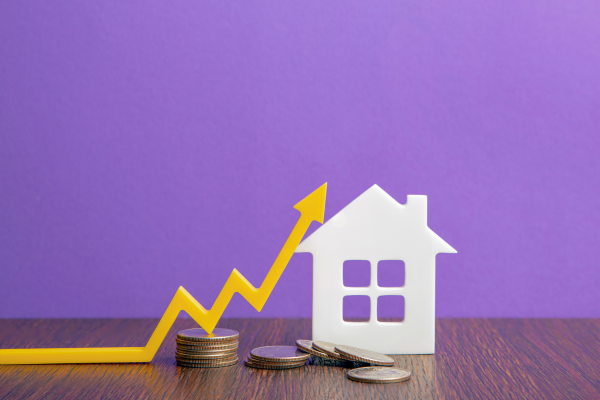
The ongoing economic crisis in Nigeria has exacerbated the housing affordability crisis in Lagos, as rising inflation forces landlords to significantly raise rents. As the cost of living rises, many residents are struggling to keep up with rent increases, which are affecting families' ability to secure stable housing, as well as children's education and commutes. Lagos, Nigeria's economic capital with a population of over 20 million, has long struggled with a housing shortage, and recent government-led economic reforms are exacerbating the problem. Advertisement


Economic changes, including the floating of the naira and the elimination of the gasoline subsidy, have caused fast inflation and sent shockwaves through the city's property market. Rent prices have risen not only on the more affluent islands, but also in lower-cost mainland neighbourhoods. For example, Yemisi Odusanya, a cookbook author from Lekki, had her rent increased by 120 percent. Despite the increase, she is unable to secure a better bargain for her growing family. Similarly, Bartholomew Idowu, a transport worker, had his rent on the mainland increase by 28%, a huge burden for many in a country with a GDP per capita of $835.
These rent increases increase the financial burden that many residents are already experiencing. According to journalist Dennis Erezi, his 31 percent rent rise is still cheaper than moving, but it is an ongoing issue. Jimoh Saheed, a personal trainer, had to leave his one-bedroom flat in a middle-class neighbourhood after his rent increased, forcing him to relocate further away from his clients. His children also had to change schools, which resulted in additional costs and significant disturbance to his family's schedule.
The rent problem in Lagos is part of a bigger trend in Nigeria, with cities such as Abuja and Port Harcourt encountering similar challenges. Rents in Abuja, Nigeria's capital city, have risen by up to 40% in some regions, owing to inflation and a lack of affordable housing. Many middle- and low-income earners are now priced out of these markets, putting additional strain on informal housing and increasing reliance on inadequate accommodations. Abuja, like Lagos, is experiencing an influx of people seeking employment and better possibilities, straining the already restricted housing supply.
The issue of home affordability is not limited to Nigeria. Urbanisation in many African countries is outpacing the provision of affordable housing, creating similar issues in places such as Nairobi, Kenya, and Accra, Ghana. Rent rates in Nairobi have been continuously rising, forcing many inhabitants to relocate further away from the city centre in search of cheaper options, further complicating transportation. In Accra, the government has struggled to fulfil the rising demand for affordable housing, and many people live in informal settlements with inadequate infrastructure and amenities.
The split of the Lagos housing market, with luxury projects catering to foreign workers, the Nigerian diaspora, and high-income earners, stands in stark contrast to the unmet requirements of middle- and low-income locals. According to economist Steve Onyeiwu, while luxury home constructions are on the rise, they fail to meet the demands of ordinary Nigerians. These high-end properties largely serve an exclusive market, leaving millions of Lagos citizens without cheap options. Experts also point out that many Lagos landlords are under financial pressure from dollar-denominated loans and mortgages, which is driving up the cost of rent.
In addition to these issues, Lagos has had inadequate infrastructure and transportation, exacerbating the housing crisis. The current increase in travel hours due to increased traffic congestion adds another layer of difficulty for people who have been compelled to relocate further away in quest of more affordable rent. The government's efforts to address these challenges, such as the development of new train lines and the proposed Lagos-Abeokuta railway project, may give some respite in the future, but they are insufficient to meet the city's current housing needs.
In other real estate news, the Nigerian government has faced pressure to address the country's growing housing deficit and implement policies that promote affordable house construction. Experts believe that resolving regulatory impediments, such as lengthy approval processes and high mortgage interest rates, could help spur the building of affordable housing. In Lagos, the government's quest for more affordable housing projects is increasingly viewed as critical to keeping the city livable for all people, regardless of income. With fast urban growth, Lagos must find long-term solutions to its housing crisis in order to prevent additional social and economic inequities.

5th Jun, 2025

25th May, 2023

11th May, 2023

27th Apr, 2023
Advertisement








 Facebook
 Whatsapp
