Advertisement










When should a housing society in Mumbai start considering re...
From GST on JDAs to SEBI’s REIT reclassification and the S...
Stay ahead in the world of real estate with our daily podcas...
Stay ahead in the world of real estate with our daily podcas...
U.S. new single-family home sales fell by 10.5% in January, reaching an annualized rate of 657,000 units, as high mortgage rates and rising home prices dampened demand. The median home price rose 3.7% year-on-year to USD 446,300, while the 30-year fixed mortgage rate remains near 7%. Sales dropped sharply in the Northeast, Midwest, and South but increased in the West. Rising inventory levels, now at 495,000 units, have led to cautious builder sentiment, slowing new construction. With economic uncertainty, high borrowing costs, and inflation concerns, the housing market faces continued challenges in 2024, impacting buyers, builders, and real estate financing.
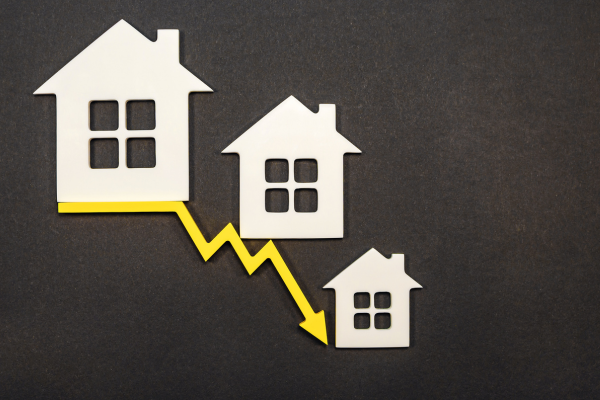
Sales of new single-family homes in the U.S. saw a sharp decline in January, reflecting the ongoing challenges in the housing market due to high mortgage rates. According to the Commerce Department, home sales fell by 10.5% to an annual rate of 657,000 units, a steeper drop than analysts had anticipated. This slowdown is part of a broader economic trend, with weakening retail sales, slower job growth, and reduced consumer spending. The start of the year also saw extreme winter weather in several parts of the country, which may have further impacted home sales by delaying transactions and deterring potential buyers. Advertisement


The biggest obstacle for homebuyers continues to be persistently high mortgage rates, which remain around 7% despite the Federal Reserve implementing rate cuts in recent months. The average 30-year fixed mortgage rate stands at 6.85%, making borrowing more expensive and reducing affordability. Rising home prices have added to the burden, with the median new home price increasing by 3.7% year-on-year to USD 446,300, the highest level since October 2022. This combination of high borrowing costs and expensive housing has kept many potential buyers on the sidelines, leading to weaker demand.
Regional sales data shows significant declines across most parts of the country. Sales dropped by 20% in the Northeast and 16.7% in the Midwest, regions affected by harsh winter storms. The South, which also faced winter disruptions, saw a 14.8% decrease in sales. The only exception was the West, where sales increased by 7.7%, despite challenges such as wildfires in California. While demand has weakened, inventory levels continue to rise, with new home supply reaching 495,000 units, the highest since December 2007. The market now faces an oversupply issue, with it taking nine months to clear the backlog of new homes at the current sales pace, up from eight months in December. This surplus has made builders more cautious about starting new projects, leading to a decline in building permits, which fell by 0.6% in January.
Developers had ramped up construction in 2023 and early 2024, expecting a stronger housing demand. However, with sales not keeping pace, unsold inventory has increased, forcing homebuilders to reassess their plans. Some economists predict a slowdown in new residential construction for the next few quarters as builders respond to market conditions. Oliver Allen, Senior U.S. Economist at Pantheon Macroeconomics, noted that the current surplus of new homes reflects an overestimation of demand by developers, which could result in a significant pullback in new projects in the coming months.
The outlook for the spring homebuying season remains uncertain. Buyers are cautious due to high borrowing costs and rising home prices, and mortgage rates are unlikely to drop significantly in the near future. While the Federal Reserve's interest rate policy could provide some relief, ongoing inflation concerns and high construction costs may keep prices elevated. Industry experts predict that home sales may continue to face pressure throughout the year, affecting not just buyers and sellers but also the broader real estate market, including construction, home improvement, and real estate financing sectors.
In other related real estate news, the commercial real estate market in the U.S. is facing challenges, with rising office vacancies in major cities such as New York, San Francisco, and Chicago. Rental prices remain high, as many Americans choose to rent instead of buy due to affordability concerns. Additionally, homebuilder sentiment has declined, with companies reassessing expansion plans in response to slower demand. With economic uncertainty persisting, the real estate market remains in a delicate balance, as industry players navigate shifting financial conditions.

5th Jun, 2025

25th May, 2023

11th May, 2023

27th Apr, 2023
Advertisement








 Facebook
 Whatsapp
