Advertisement








When should a housing society in Mumbai start considering re...
From GST on JDAs to SEBI’s REIT reclassification and the S...
Stay ahead in the world of real estate with our daily podcas...
Stay ahead in the world of real estate with our daily podcas...
The 464-km Raipur-Visakhapatnam Expressway, part of Bharatmala Pariyojana Phase-I, is set to enhance connectivity across Chhattisgarh, Odisha, and Andhra Pradesh. Expected to be completed in 2025 at an estimated cost of INR 20,000 crore, the project will reduce travel time from 14 to 7 hours. Constructed under the Hybrid Annuity Model, the expressway will boost manufacturing, logistics, and real estate along its route, while improving access to Visakhapatnam Port. Environmental safeguards, including wildlife crossings and afforestation, are integrated into the project. This transformative corridor will drive economic expansion, trade efficiency, and regional development in eastern India.
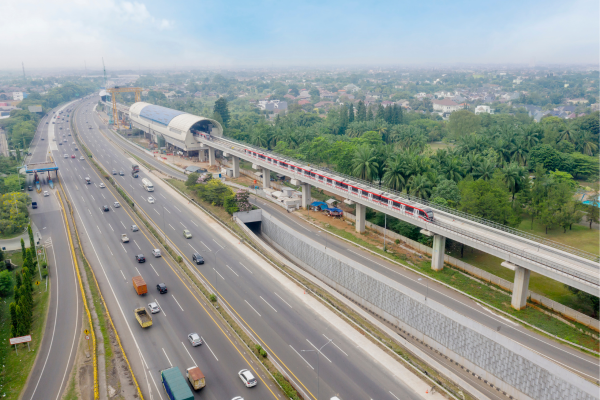
The Raipur-Visakhapatnam Expressway is a transformative infrastructure project poised to significantly enhance connectivity across the Indian states of Chhattisgarh, Odisha, and Andhra Pradesh. Spanning approximately 464 kilometers, this six-lane, access-controlled expressway is designed to facilitate seamless transportation between the central and eastern regions of India, thereby fostering economic growth and regional development. Advertisement


The conceptualization of the Raipur-Visakhapatnam Expressway dates back to 2014 when the Ministry of Road Transport and Highways (MoRTH) identified the need for improved connectivity to stimulate economic activities in central India. Recognizing the strategic importance of linking Raipur, a key city in Chhattisgarh, with Visakhapatnam, a major port city in Andhra Pradesh, the project was incorporated into the Bharatmala Pariyojana Phase-I in 2017. This national initiative aims to optimize the efficiency of freight and passenger movement across the country by developing economic corridors. The foundation stone for the expressway was laid by Prime Minister Narendra Modi in November 2022, marking the commencement of this ambitious project.
Commencing at Abhanpur in Raipur district, Chhattisgarh, the expressway traverses through the districts of Dhamtari, Kanker, and Kondagaon before entering Odisha. In Odisha, it passes through Nabarangpur and Koraput districts, and subsequently enters Andhra Pradesh, covering parts of Vizianagaram and Visakhapatnam districts, culminating at the Visakhapatnam Port. The expressway's design includes several tunnels and elevated sections, particularly in the hilly terrains of the Eastern Ghats, to ensure a direct and efficient route. This strategic alignment is expected to reduce the travel distance between Raipur and Visakhapatnam from approximately 590 kilometers to 464 kilometers, thereby cutting travel time from around 14 hours to about 7 hours.
As of mid-2025, the Raipur-Visakhapatnam Expressway is under active construction, with significant progress achieved in various segments. The project has been divided into 19 packages, each assigned to different contractors to expedite completion. Notable infrastructure firms such as Dilip Buildcon Ltd., Adani Transport, and HG Infra Engineering are among the key players involved in the construction. The Detailed Project Report (DPR) was prepared by the South Korean firm YONGMA Engineering Co. Ltd., in collaboration with Arkitechno Consultants. The project is being executed under the Hybrid Annuity Model (HAM), which combines government budgetary support with private sector investment, aiming to distribute financial risks and ensure timely project delivery.
The estimated cost of the Raipur-Visakhapatnam Expressway stands at INR 20,000 crore (approximately USD 2.7 billion). This investment encompasses expenses related to land acquisition, construction, and the implementation of advanced safety and surveillance systems. Funding is primarily sourced through allocations from the central government, supplemented by private investments facilitated under the HAM framework. This financial model is designed to attract private sector efficiency while ensuring public sector oversight, thereby aiming for cost-effective and timely project completion.
The expressway is poised to serve as a catalyst for economic development in the regions it traverses. By providing enhanced connectivity, it is expected to attract investments in various sectors, including manufacturing, logistics, and tourism. Cities like Jagdalpur in Chhattisgarh and Visakhapatnam in Andhra Pradesh are anticipated to witness a surge in real estate activities. Improved accessibility is likely to lead to the establishment of new industrial zones, warehousing facilities, and residential projects, thereby boosting the local economy and generating employment opportunities. Additionally, the expressway will facilitate easier access to the Visakhapatnam Port, enhancing trade prospects for industries in the landlocked regions of Chhattisgarh and Odisha.
Given that the expressway passes through ecologically sensitive areas, including sections of the Eastern Ghats, comprehensive environmental assessments have been conducted to mitigate potential adverse impacts. The project design incorporates measures such as wildlife crossings, noise barriers, and extensive afforestation initiatives to preserve local biodiversity. Social impact assessments have also been undertaken to address concerns related to land acquisition and displacement, ensuring that affected communities receive adequate compensation and rehabilitation support.
Upon its expected completion in 2025, the Raipur-Visakhapatnam Expressway is set to transform the transportation landscape of central and eastern India. By significantly reducing travel time and improving road safety, it will enhance the efficiency of freight movement and provide a stimulus for regional economic development. The expressway is also anticipated to promote tourism by improving access to various cultural and natural attractions in the region. Overall, this infrastructure project exemplifies the Indian government's commitment to fostering inclusive growth through strategic investments in connectivity and transportation.
In summary, the Raipur-Visakhapatnam Expressway is a landmark project that promises to bring about substantial economic and social benefits to the regions it serves. Through improved connectivity, it is poised to unlock new opportunities for trade, investment, and development, thereby contributing to the broader objective of national growth and prosperity.

5th Jun, 2025

25th May, 2023

11th May, 2023

27th Apr, 2023
Advertisement








 Facebook
 Whatsapp
