Advertisement










Private equity has played a significant role in shaping Indi...
In today’s real estate landscape, fitness is often treated...
In this episode of Prop Personalities, we sit down with Hars...
Luxury real estate is one of the most talked-about segments ...
Welcome to Prop Personalities by Prop News Time - a podcast ...
The Ranchi Municipal Corporation (RMC) has introduced its first regulations for rooftop bars and restaurants to enhance public safety, urban compliance, and environmental responsibility. The draft mandates fire-proof materials, bans rooftop cooking, and requires structural safety certification to prevent hazards. Noise restrictions aim to minimise disturbances, while waste management rules ensure cleanliness. Licensing, annual inspections, and approval fees enforce compliance. Establishments must also follow Jharkhand Building Byelaws and secure necessary NOCs. These regulations balance business operations with public safety and city planning. Public feedback is open until March 27 before the final rules are implemented.
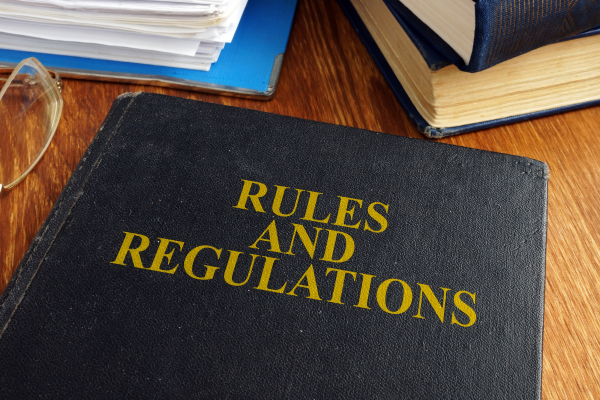
The Ranchi Municipal Corporation (RMC) has drafted regulations for rooftop bars and restaurants in the city for the first time. This comes after authorities issued closure notices to 33 such establishments for operating without authorisation. Advertisement


The draft, titled Regulation for Rooftop Restaurants, Bars and Eating Joints in Ranchi Municipal Corporation, Ranchi, has been posted on the RMC website, and the public can submit feedback and grievances until March 27. These regulations aim to ensure compliance with urban planning norms, public safety, and minimal disruption to residents.
According to the draft, rooftop restaurants will only be permitted in areas specified under the Jharkhand Building Byelaws 2016. Only temporary structures will be allowed on rooftops, and these must be built using fire-proof materials. Additionally, a structural safety certificate from a certified engineer will be required to confirm the use of non-combustible materials and to assess the building's load-bearing capacity. This certification must be renewed annually.
Furthermore, any rooftop construction must adhere to the approved building plan, and extensions beyond the designated area will not be permitted. Establishments must also secure an NOC from the Airport Authority of India if required.
To minimise fire hazards, the draft regulations prohibit any cooking or food preparation on rooftops or in open spaces. Cooking using LPG stoves, coal, or open flames can only be done on lower floors. However, liquor storage on rooftops is permitted, provided the establishment obtains approval from the Excise department.
Additionally, all establishments must comply with the National Building Code (NBC) 2016 fire safety guidelines and obtain an NOC from the Fire Department, regardless of the building's height. To prevent disturbances to nearby buildings and people residing or working on lower floors, the regulations ban loud music on rooftops. Proper sound insulation must also be in place to minimise noise pollution.
Waste management is another key focus of the regulations. All rooftop restaurants and bars must maintain separate dustbins for dry and wet waste to ensure proper disposal and compliance with environmental standards.
Rooftop restaurant owners must obtain multiple licenses, including bar permits, food safety approvals, and trade licenses. The draft mandates annual inspections to ensure compliance, and violations could lead to penalties or closure. RMC will charge an application fee of INR 1,000 for the No Objection Certificate (NOC), with inspection fees ranging from INR 3,000 to INR 3,00,000, depending on the rooftop area. Approval fees will be INR 1,000 per square meter, and the annual renewal fee will be 5% of the original approval fee, along with a INR 200 renewal application fee.
RMC Additional Administrator Sanjay Kumar stated that restaurant owners will receive an NOC only if they fully comply with the new regulations. The civic body is inviting public suggestions on the draft until March 27, after which the final regulations will be implemented. This marks RMC's first attempt to regulate rooftop dining establishments, aiming to improve safety, compliance, and public convenience in Ranchi.
RMC's introduction of regulations for rooftop bars and restaurants marks a crucial step towards ensuring safety, compliance, and environmental responsibility in Ranchi's hospitality sector. By mandating fire-proof structures, structural safety certifications, noise control measures, and strict waste management protocols, the guidelines aim to balance business interests with public welfare. The requirement for multiple approvals and annual inspections reinforces accountability, while public feedback ensures that stakeholders have a say in the final framework. Once implemented, these regulations are expected to create a more organised and secure environment for rooftop dining, enhancing both urban planning and the overall experience for patrons and residents alike.

5th Jun, 2025

25th May, 2023

11th May, 2023

27th Apr, 2023
Advertisement





 Facebook
 Whatsapp
