Advertisement










When should a housing society in Mumbai start considering re...
From GST on JDAs to SEBI’s REIT reclassification and the S...
Stay ahead in the world of real estate with our daily podcas...
Stay ahead in the world of real estate with our daily podcas...
Rome's real estate market is gaining momentum as investors seek alternatives to Milan's dominance. The city attracted 17% of Italy's real estate investments in 2024, up from an average of 11% in previous years, with €1.7 billion invested. Public spending for the upcoming Holy Year and new town planning rules are boosting investor confidence. Rome is balancing growth with social housing to prevent displacement. Key projects, like the Ex Fiera di Roma redevelopment, aim to modernize urban spaces. While challenges remain in infrastructure and waste management, Rome's renewed focus on real estate makes it an attractive investment destination.
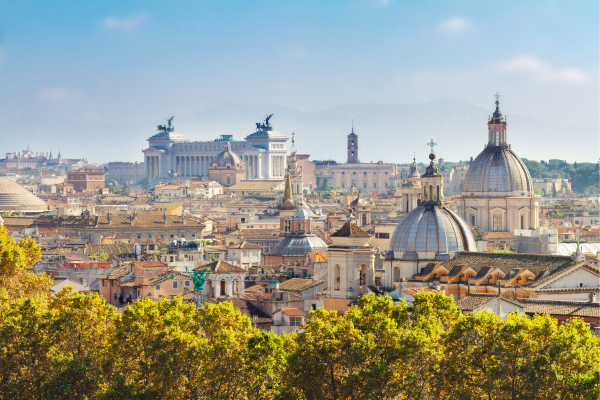
Rome, the historic capital of Italy, is experiencing a renewed interest in its real estate market. This shift comes as investors look for alternatives to Milan, which has dominated property investments in Italy for years. While Milan has long attracted more than half of the country's real estate investments, recent developments in Rome are drawing attention from both local and international investors. Advertisement


Recent data highlights this trend. According to JLL, Rome accounted for 17% of professional real estate investments in Italy last year, a notable increase from an average of 11% from 2020 to 2024. Investors poured 1.7 billion euros into various projects in the city, doubling the amount from the previous year. This surge is partly fueled by public spending related to the upcoming Holy Year, which is expected to attract millions of additional tourists and prompt significant urban improvements.
Rome is also taking steps to modernize its real estate regulations. The city recently approved new town planning rules for the first time since 2008, aiming to streamline the approval process for construction projects. This move is essential to restore investor confidence, as past bureaucratic hurdles have deterred many from entering the market. City councillor Maurizio Veloccia acknowledged the need for Rome to regain its credibility with investors, especially after many smaller construction firms struggled during economic downturns.
Moreover, the city is actively addressing concerns about gentrification and the impact of rising property prices on local residents. Unlike Milan, where high costs have pushed many locals out, Rome's larger population of families and students may help mitigate this issue. The city is also focused on increasing the availability of social housing to ensure that all residents can benefit from urban development.
One of the notable projects set to revitalize the city is the renovation of the "Ex Fiera di Roma," a site that has been stalled for two decades. This redevelopment aims to transform the area into residential spaces, including social housing, which is crucial for maintaining community diversity.
As Rome prepares for a potential real estate boom, it must also address its infrastructure challenges, such as public transport and waste management. By improving these aspects, the city can create a more attractive environment for both residents and investors.
In conclusion, Rome's evolving real estate landscape presents a unique opportunity for investors looking for value in a city rich in history and culture. With new regulations, increased public spending, and a commitment to urban renewal, Rome is poised for a promising future in real estate.

5th Jun, 2025

25th May, 2023

11th May, 2023

27th Apr, 2023
Advertisement








 Facebook
 Whatsapp
