Advertisement






Follow us on Instagram, Facebook, YouTube, X, Spotify, Amazon Music, Apple Music and more.
What really powers the cloud? Behind every Google search, A...
A lot of what defines a home isn’t visible at handover. I...
Private equity has played a significant role in shaping Indi...
Luxury real estate is one of the most talked-about segments ...
Airports play a much bigger role than just enabling travel -...
15 minutes ago
India and Panama have agreed to expand their maritime partnership by strengthening cooperation across logistics, shipping, maritime security, digital transformation and skill development. During bilateral talks held in New Delhi, both countries discussed improving shipping connectivity, promoting port modernisation, enhancing maritime education and advancing green maritime initiatives. The discussions also covered technical collaboration between maritime authorities, digital port systems and artificial intelligence. India reiterated Panama's strategic importance as a gateway to Latin America and the Caribbean, while both sides agreed to pursue stronger institutional partnerships and accelerate discussions on future maritime agreements.Read more

45 minutes ago
Suzlon has secured a 201.6 MW wind energy project from Waaree Forever Energies Private Limited, the Independent Power Producer arm of the Waaree Group, for a project in Andhra Pradesh. The order will be executed under Suzlon's DevCo model, which offers end-to-end project development and execution. The company will install 64 wind turbine generators and provide services ranging from land acquisition to lifetime operations and maintenance. The project also marks Waaree Group's entry into wind energy in Andhra Pradesh, strengthening both companies' presence in India's renewable energy sector.Read more

1 hour ago
Fresh sanctions under the Pradhan Mantri Awas Yojana-Gramin (PMAY-G) declined sharply in Andhra Pradesh during the last five financial years, according to data presented by the Ministry of Rural Development in Parliament. While the state sanctioned only 1.79 lakh houses between 2021-22 and 2025-26, cumulative figures show that more than 2.46 lakh houses have been approved under the scheme. The data also indicates that a substantial number of sanctioned homes remain under construction, highlighting the state's continued implementation challenges.Read more

26 Jul 2026
Maiden Forgings has increased its iron and steel products manufacturing capacity to 53,000 tonnes after operationalising a new facility in Bhojpur, Uttar Pradesh. The company has also outlined plans to further expand its production capacity to 62,000 tonnes by November 2026. While no investment details were disclosed, the expansion is expected to strengthen the company's manufacturing capabilities and broaden its product portfolio. Maiden Forgings, which manufactures steel bars, stainless steel bars and steel wires, said it is continuing the remaining phases of consolidation as part of its growth plans.Read more

26 Jul 2026
AGM Vijaylaxmi Group said its Sixty3 W.E. Business Park in Goregaon East has received strong enquiries and bookings since its launch, reflecting continued demand for Grade A commercial office spaces in Mumbai. The project has attracted interest from business owners, investors and non-resident Indians (NRIs), supported by its location on the Western Express Highway and connectivity to key business hubs. According to the developer, the project has also witnessed healthy traction from companies seeking office space and investors looking for rental income and long-term capital appreciation.Read more

Advertisement

26 Jul 2026
Global Capability Centres (GCCs) are reshaping India's technology talent landscape by attracting professionals seeking greater ownership, innovation and exposure to cutting-edge technologies. While traditional IT services firms continue to offer scale and global delivery expertise, GCCs are increasingly becoming hubs for product development, research and strategic decision-making. As artificial intelligence accelerates the demand for specialised digital skills, the competition for talent is expected to intensify. The long-term growth outlook suggests that both models will coexist, with success depending on an organisation's ability to offer meaningful work, continuous learning and opportunities to influence global business outcomes.Read more
26 Jul 2026
Raghu Vamsi Aerospace Group has announced plans to establish an integrated superalloy manufacturing facility in Telangana with an investment of INR 600 crore. The project will manufacture high-performance nickel-based alloys and other specialised materials used in aerospace, defence, energy and industrial applications. Scheduled for completion by 2028, the facility is expected to strengthen India's domestic capabilities in critical materials manufacturing, reduce import dependence and further reinforce Telangana's growing position as a hub for aerospace and advanced manufacturing.Read more

26 Jul 2026
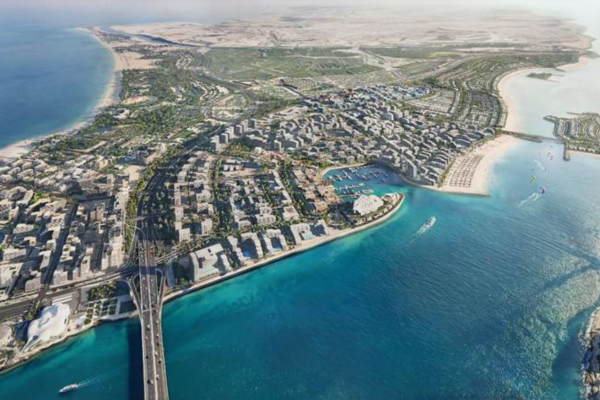
Aldar has unveiled Marsa Al Saadiyat, the final phase of the Saadiyat Island masterplan in Abu Dhabi, with a gross development value (GDV) of AED 100 billion. Spread across 6.4 million square metres, the waterfront development will accommodate more than 58,000 residents through a mix of luxury homes, branded residences and villas. The masterplan includes Abu Dhabi's largest marina, beaches, walking and cycling networks, hospitality, retail, schools, cultural venues and smart infrastructure. Home sales are scheduled to begin in the second half of 2026, while enabling and infrastructure works are expected to commence in the third quarter.Read more
26 Jul 2026
Punjab National Bank (PNB) has partnered with the Andhra Pradesh government to establish the PNB Quantum Finance Hub at Amaravati Quantum Valley, marking the first such collaboration between a public sector bank and a state government in India. The initiative aims to promote innovation in banking by leveraging Artificial Intelligence and Quantum Computing while addressing cybersecurity and fraud risks. The hub will bring together startups, academia, industry and government agencies to develop future-ready banking solutions, support research, encourage skill development and strengthen India's digital financial ecosystem.Read more

26 Jul 2026
More than 60% of Indian regional airline passengers consider affordable ticket pricing the primary factor when selecting an airline, according to a survey conducted by Star Air among over 20,000 travellers across Mumbai, Pune, Kolhapur, Bengaluru, Delhi-NCR and other regional centres. The study also found strong demand for improved regional connectivity, with 88% of respondents highlighting the importance of links between smaller towns and metropolitan cities. While passengers rated airline staff positively for customer support, they identified punctuality, cabin cleanliness, comfort and service quality as key areas requiring improvement. The findings reflect the growing role of regional aviation in expanding air travel access across India's tier-2 and tier-3 cities while highlighting changing passenger expectations.Read more

Advertisement

26 Jul 2026
Hero Homes has announced a 17.3-acre premium residential development within the Delhi-Mumbai Industrial Corridor (DMIC) Integrated Industrial Township in Greater Noida. The project has a development potential of approximately 6 million sq ft and represents the company's second residential development in Greater Noida. Located in an emerging residential district benefiting from infrastructure projects such as the Noida International Airport and the Delhi-Mumbai Industrial Corridor, the development forms part of Hero Homes' expansion strategy across the National Capital Region (NCR). The company said the project will comprise a premium residential community with modern amenities, open spaces and wellness-focused infrastructure, strengthening its presence in one of North India's fastest-growing housing markets.Read more
26 Jul 2026
Ram Rattan Group has entered into a strategic partnership with Regency Advertisers to acquire around 500 acres of agricultural land along the Delhi–Mumbai Expressway between Naugaon and Jaipur. Announced in the past week, the initiative aims to promote sustainable agriculture and responsible land development while leveraging the infrastructure growth along one of Rajasthan's emerging economic corridors. The companies plan to encourage modern farming practices, efficient resource utilisation and environmental sustainability across the acquired land. The partnership also reflects growing investor interest in the Naugaon–Jaipur belt, where improving connectivity through the expressway has strengthened prospects for agriculture and rural development alongside broader economic activity.Read more
26 Jul 2026
Golf Course Extension Road (GCER) has emerged as one of Gurugram's most active luxury residential corridors, supported by infrastructure upgrades, improved connectivity and sustained demand from end-users and investors. The corridor has witnessed strong price appreciation across premium housing projects, with limited land availability and growing buyer preference for larger, amenity-rich homes contributing to value growth. Ongoing infrastructure initiatives, including upgrades to the Southern Peripheral Road (SPR), metro expansion plans and improved connectivity to Delhi, Manesar and Indira Gandhi International Airport, have further strengthened the corridor's appeal. As commercial, retail, healthcare and educational infrastructure expands alongside residential development, GCER continues to consolidate its position as a key destination for premium housing within the National Capital Region (NCR).Read more

Advertisement






26 Jul 2026
Air India and Saudi Arabia's Saudia have signed a Memorandum of Understanding to strengthen their strategic partnership through a phased expansion of cooperation. The agreement focuses on widening their existing codeshare arrangement, improving connectivity across both airline networks, exploring terminal co-location, and identifying new commercial and operational opportunities. The airlines will also examine collaboration between their loyalty programmes. In the longer term, the partnership could be extended to other airlines within their respective groups, including flyadeal and Air India Express, subject to future assessments.Read more

26 Jul 2026
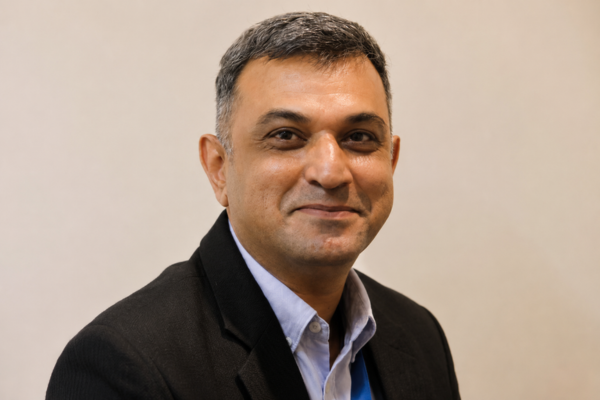
Mayfair Housing has appointed Anthony Nelson Gonsalves as its Chief Technical Officer (CTO) to strengthen engineering, construction and project execution capabilities as the developer expands its presence across the Mumbai Metropolitan Region (MMR). Bringing over 30 years of experience in civil engineering, project management and real estate development, Gonsalves will oversee project planning, engineering, design coordination, quality assurance, safety and execution across the company's portfolio. His appointment comes as Mayfair Housing pursues its growth strategy while focusing on technical governance and operational efficiency. The company expects his expertise across India and the Middle East to support timely project delivery and reinforce construction quality across ongoing and future developments.Read more
Advertisement

26 Jul 2026
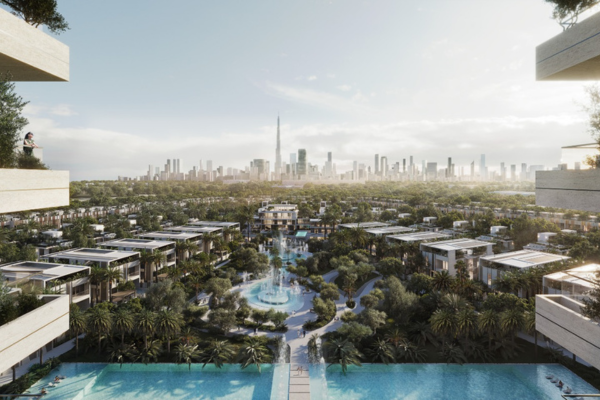
Dubai's luxury residential market recorded AED 3.72 billion in off-plan home sales for properties priced above AED 5 million during June, according to a market analysis by Keturah. Developers completed 307 off-plan transactions, comprising 141 villa sales and 166 apartment sales, with the average transaction value reaching AED 12.1 million. The report also highlighted an additional AED 1.01 billion in ready property sales above AED 5 million. Dubai Islands emerged as the leading location for high-value off-plan transactions, followed by Dubai South and Palm Jumeirah, reflecting continued demand for premium residential developments across the emirate.Read more
26 Jul 2026
Divyansh Group has acquired a 12,868 sq metre land parcel in Koyal Enclave, Ghaziabad, through a Ghaziabad Development Authority (GDA) auction for approximately INR 128 crore. The developer plans to build a premium plotted residential project with an estimated sales potential of more than INR 200 crore. Located within one kilometre of Hindon Airport and the Delhi border, the site benefits from improving infrastructure and connectivity, making it part of an emerging residential corridor in the National Capital Region (NCR). The project is scheduled to be launched in the third quarter of the current financial year as the company expands its residential development pipeline across high-growth micro-markets in NCR.Read more

26 Jul 2026
From Brazil's ambitious inland capital to India's post-Partition administrative centre, governments have occasionally chosen to build entirely new cities instead of expanding existing ones. Brasília, Chandigarh, Naypyidaw and Masdar City were each conceived to fulfil a specific national objective, whether political, administrative or environmental. While their architectural visions differed, all four projects became large-scale experiments in planned urban development. Their journeys reveal the opportunities and challenges of creating cities from a blank canvas, where ambitious masterplans often evolve differently once people begin to live, work and grow within them.Read more

26 Jul 2026
Sanghvi Realty has received the Commencement Certificate (CC) for Sanghvi Crystal, its G+19 residential project on S.V. Road in Goregaon West, Mumbai, enabling full-scale construction to begin. The MahaRERA-registered development offers 1 BHK, 2 BHK and 3 BHK apartments and is positioned in a micro-market witnessing increased residential demand supported by infrastructure improvements. According to the developer, the receipt of the CC confirms that the project's statutory approvals have been secured, allowing homebuyers to proceed with purchases in a fully approved development. The project also benefits from proximity to railway stations, commercial hubs, educational institutions and healthcare facilities.Read more

26 Jul 2026
Emaar has emerged as Dubai's leading real estate developer by sales value in 2026, recording AED 30.6 billion in residential transactions, while Azizi led the market in overall sales volumes and affordable housing transactions, according to a report by fäm Properties based on DXBinteract data. The report highlights strong activity across both luxury and affordable housing segments, indicating broad-based demand from investors and end-users. Emaar also led in luxury property sales, project deliveries and ongoing developments, while DAMAC maintained a strong presence across multiple market segments.Read more

Advertisement

26 Jul 2026
Jashn Realty has announced plans to launch Jashn Golf Estate, an 18-acre luxury residential development in Sushant Golf City, Lucknow, later this year. The project will comprise golf-facing private floor residences with 4.99 BHK and 5.99 BHK configurations, alongside a 66,000 sq. ft. clubhouse and more than 100 lifestyle amenities. According to the developer, the project has been planned as a low-density community with wellness, recreation and sustainable infrastructure integrated into its master plan. The development also incorporates features such as rainwater harvesting, automated irrigation systems, three-tier security and landscaped open spaces, reflecting the growing demand for premium housing in Lucknow's evolving luxury residential market.Read more

26 Jul 2026
Sky City Mall in Mumbai organised a football-themed fan engagement event inspired by the FIFA World Cup, offering visitors a weekend of interactive activities, live performances and themed installations. The activation featured football skill challenges, freestyle football demonstrations and B-boying performances, attracting families, sports enthusiasts and shoppers. Designed to extend the mall's experiential retail offerings, the event combined entertainment with community participation through interactive competitions and immersive décor. According to the mall, the initiative forms part of its broader strategy to complement retail and dining with seasonal events and lifestyle experiences that encourage visitor engagement and strengthen its position as a community-focused destination.Read more

26 Jul 2026
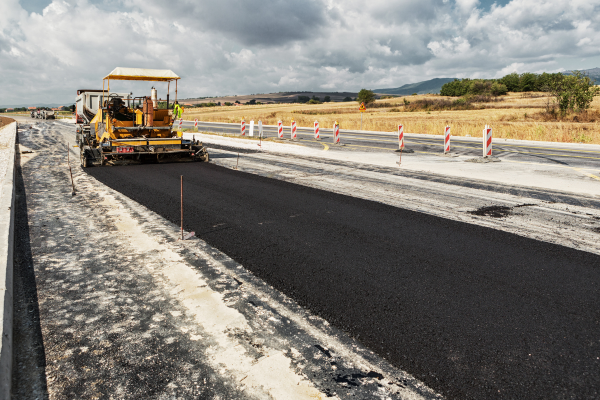
The National Highways Authority of India (NHAI) has granted in-principle approval for the construction of a service road and associated infrastructure at Bannadka as part of the ongoing four-laning of National Highway-169 between Sanur and Bikarnakatte. The proposed works are estimated to cost INR5.8 crore. The approval follows long-standing demands from local residents and public representatives, who had raised concerns over road safety and accessibility after the highway widening works. The proposed service road is expected to improve local connectivity, provide safer access for nearby residents and businesses, and facilitate smoother movement of traffic along the corridor. The project forms part of NHAI's efforts to enhance road infrastructure and safety on NH-169, an important highway connecting Mangaluru with interior regions of Karnataka.Read more
26 Jul 2026
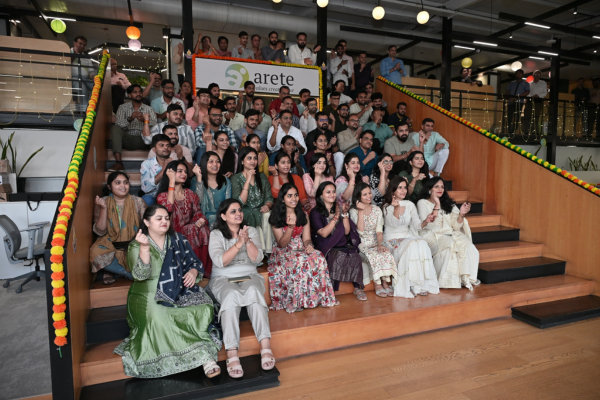
Arete Group has announced plans to recruit more than 80 employees during the current financial year as part of its workforce expansion and employee development strategy. The manufacturing and engineering company, which employs over 700 people, is investing in artificial intelligence (AI)-enabled digital platforms, structured upskilling programmes and employee well-being initiatives to build a future-ready workforce. Through its in-house learning centre, Excelerate, and employee wellness programme, Umatter, the company aims to strengthen digital capabilities, professional development and workplace engagement. The recruitment drive forms part of Arete Group's broader strategy to support business growth while aligning workforce capabilities with evolving industry requirements.Read more
26 Jul 2026
The Maharashtra government has launched the Bharat Taxi ride-sharing service at the Navi Mumbai International Airport premises, introducing a zero-commission, surge-free platform aimed at benefiting both passengers and drivers. The service follows traditional meter-taxi fares and allows drivers to receive earnings directly without intermediary deductions. The first phase has started with 600 taxis in the Mumbai Metropolitan Region, with plans to expand across Maharashtra. The initiative is being rolled out under a cooperative model through Sahakar Taxi Co-op Ltd and is positioned as an Indian alternative to app-based ride-hailing platforms.Read more

Advertisement

26 Jul 2026
Brickflow, a UK-based digital marketplace for specialist property finance, generated more than GBP 520 million in loan offers across bridging finance, commercial mortgages and development finance during the second quarter of 2026, according to its latest MarketWatch report. Development finance accounted for the largest share of platform activity by search value, while land finance emerged as the fastest-growing segment as lender appetite strengthened following UK planning reforms. Although search activity declined across all major lending products compared with the previous quarter, requests for Decisions in Principle (DIPs) increased for both bridging finance and commercial mortgages, indicating that brokers and borrowers were progressing further through the funding process.Read more

26 Jul 2026
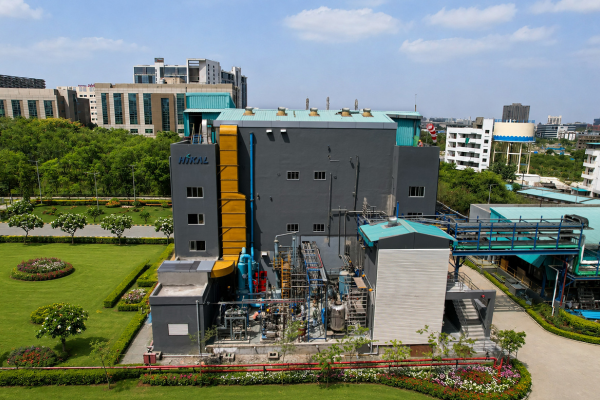
Hikal Limited has commissioned an upgraded current Good Manufacturing Practice (cGMP)-compliant pilot plant at its Research & Technology campus in Pune to strengthen its pharmaceutical process development and manufacturing capabilities. The expanded facility is designed to support process development, scale-up, technology transfer and clinical-stage manufacturing for global pharmaceutical customers. Equipped with reactors ranging from 20 litres to 2,000 litres and advanced processing systems, the plant will enable the manufacture of preclinical and clinical-phase materials while facilitating a smoother transition from laboratory research to commercial production. The investment forms part of Hikal's strategy to expand its research and manufacturing infrastructure for regulated pharmaceutical markets.Read more
26 Jul 2026
The Competition Commission of India (CCI) has dismissed a complaint against Eternal Ltd, the parent company of Zomato and Blinkit, after finding no prima facie evidence of abuse of dominance or anti-competitive conduct. The complaint alleged that food prices on Zomato were significantly higher than restaurant prices due to inflated menu rates, platform fees and commissions. The regulator held that online food delivery involves additional services, making direct price comparisons inappropriate, and noted that consumers knowingly pay for the convenience offered by digital delivery platforms.Read more

26 Jul 2026
Sun Phu Quoc Airways has signed a strategic agreement with SmartKargo to deploy a cloud-based cargo management platform as it builds its air cargo business. The move comes as the Vietnamese airline prepares to expand its international network and induct Airbus A330 wide-body aircraft from September 2026, increasing its cargo capacity. The platform will support end-to-end cargo operations, improve efficiency and strengthen digital capabilities. The partnership also aligns with Vietnam's growing air cargo market, driven by exports, manufacturing and the rapid growth of e-commerce.Read more

26 Jul 2026
Knauf India has introduced HeatBloc, a gypsum plasterboard designed to enhance indoor thermal comfort and improve energy efficiency in residential and commercial buildings. Announced in the past week, the product features a polyester-metallised aluminium foil backing that reflects up to 85% of solar radiation, helping reduce heat ingress through walls and ceilings. Available in 9.5 mm and 12.5 mm variants, HeatBloc is intended for ceiling and wall applications respectively and complies with IS 2095 (Part 1):2023 Type A standards. The launch comes as the construction sector increasingly adopts building materials that improve energy performance and respond to rising temperatures across Indian cities.Read more

Advertisement

26 Jul 2026
Adani Group has dismissed reports suggesting that it is planning to enter the airline business, stating that the claims are incorrect and have no factual basis. The company clarified that Adani Enterprises is not considering or evaluating any proposal to start an airline. The clarification comes amid media reports and market speculation linking the group to a possible aviation venture. While the Adani Group has a significant presence in airport infrastructure through its airport business, it has reiterated that it has no plans to expand into airline operations.Read more

25 Jul 2026
The Navi Mumbai Municipal Corporation (NMMC) deployed a special sanitation team to Pandharpur to support cleanliness efforts during the Ashadhi Wari pilgrimage, when lakhs of devotees visited the holy town. The initiative was undertaken as part of the Maharashtra Government's 'Adopt Cleanliness, Drive Away Diseases' campaign. The team carried out a two-day cleaning drive across key public locations, including the Vitthal Temple precinct, market area, Chandrabhaga riverfront and public toilets. The initiative aimed to maintain hygiene, prevent the spread of diseases and ensure a clean environment for pilgrims throughout the annual religious gathering.Read more

25 Jul 2026
Brookfield Asset Management has agreed to acquire battery storage company Aypa Power from funds managed by Blackstone in a deal valued at an equity value of USD 3 billion. The transaction marks another step in Brookfield's strategy to strengthen its renewable energy portfolio across North America amid rising demand for clean energy. Aypa Power is one of the region's largest battery energy storage system providers, with 6.5 gigawatts of operating, under-construction and contracted capacity, along with a development pipeline exceeding 20 gigawatts.Read more

25 Jul 2026
Rayzon Solar Limited has entered into a five-year partnership with US-based Caelux Corporation to manufacture up to 5 GW of next-generation perovskite-plus-silicon solar modules in India. Announced in the past week, the collaboration will integrate Caelux's energy-producing solar glass with Rayzon Solar's TOPCon module technology to develop modules with efficiencies of up to 28%. Commercial production is expected to commence by 2028, with the modules targeted at India's government utility procurement market. The partnership supports domestic manufacturing under the 'Make in India' initiative while contributing to the country's renewable energy capacity target of 500 GW by 2030.Read more

25 Jul 2026
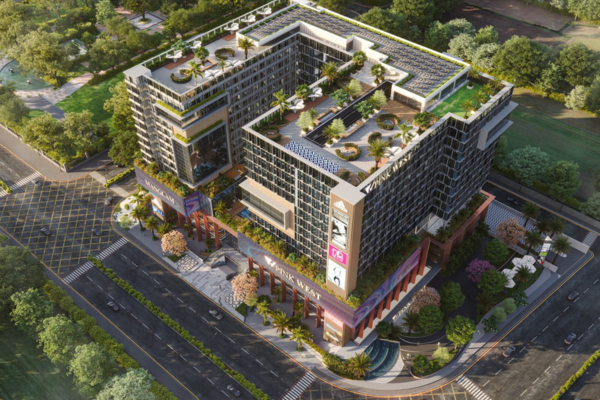
Manglam Group has launched PinkWest, an integrated commercial development on the Jaipur–Ajmer Highway with an estimated investment of INR 1,000 crore. Spread across nearly 13 lakh sq ft, the mixed-use project will comprise retail, office, hospitality, dining and entertainment components, including a 220-key Sheraton hotel operated under Marriott International. The developer said the project has already recorded more than INR 300 crore in sales and is expected to generate a development value of around INR 1,500 crore. Scheduled for completion by 2029, subject to construction progress and regulatory approvals, the development aims to cater to the growing commercial demand in West Jaipur, supported by improving connectivity and expanding residential and business catchments.Read more
Advertisement

25 Jul 2026
The Tirupati Urban Development Authority (TUDA) has proposed a 100-foot-wide link road to connect National Highway 140 with National Highway 71, aiming to improve regional connectivity and ease traffic congestion. The proposed corridor is expected to provide an alternative route for inter-city and freight traffic, reducing pressure on congested roads within Tirupati while improving access to key residential and commercial areas TUDA has submitted the proposal to the Andhra Pradesh government for approval, with the project forming part of the authority's broader urban mobility and infrastructure development plans. Once implemented, the link road is expected to support planned urban expansion, improve traffic flow and strengthen connectivity between major transport corridors in and around Tirupati.Read more

25 Jul 2026
The Reserve Bank of India (RBI) has announced a buyback auction of government securities worth INR 20,000 crore, scheduled for next week, as part of its liquidity management measures. The auction will be conducted through the RBI's E-Kuber platform using the multiple price method. The move comes at a time when surplus liquidity in the banking system has declined sharply following Goods and Services Tax (GST) outflows. Alongside the buyback, the central bank has been conducting variable rate repo (VRR) auctions to inject short-term liquidity and maintain stability in the money markets.Read more

25 Jul 2026
The Pune Cantonment Board (PCB) has initiated redevelopment measures for nearly 100 buildings identified as structurally unsafe following safety assessments across the cantonment area. Property owners have been directed to take corrective action, including redevelopment where necessary, to mitigate risks to residents and the public. The move forms part of the board's efforts to improve public safety, address ageing building stock and ensure that structurally vulnerable properties comply with applicable construction and safety regulations.Read more

25 Jul 2026
Sunteck Realty Limited has reported higher revenue, profitability and sales performance for the first quarter of FY27, driven by growth in pre-sales and customer collections. Revenue stood at approximately INR 192 crore, while EBITDA increased 40% year-on-year to INR 67 crore and profit after tax (PAT) rose 26% to INR 42 crore. Operationally, the Mumbai-based developer recorded pre-sales of INR 787 crore, up 20% year-on-year, while collections increased 17% to INR 409 crore. The company also reported an improvement in EBITDA and PAT margins, reflecting stronger operating performance during the quarter.Read more

25 Jul 2026
GrowthX has entered India's managed office space market with the launch of GO Office Workspaces, investing over INR 8.6 crore to develop its first centre at Delphi Tower, Noida, in partnership with ORD Group. Spread across 72,000 sq ft, the facility will accommodate nearly 1,200 seats and cater to enterprises, startups, multinational companies and Global Capability Centres (GCCs). The company plans to expand its managed office portfolio to 500,000 sq ft across the National Capital Region (NCR) over the next 12–18 months, with further expansion into other metropolitan cities. The move comes amid rising demand for flexible office solutions, supported by growing GCC activity and increasing enterprise preference for managed workspaces.Read more

Advertisement

25 Jul 2026
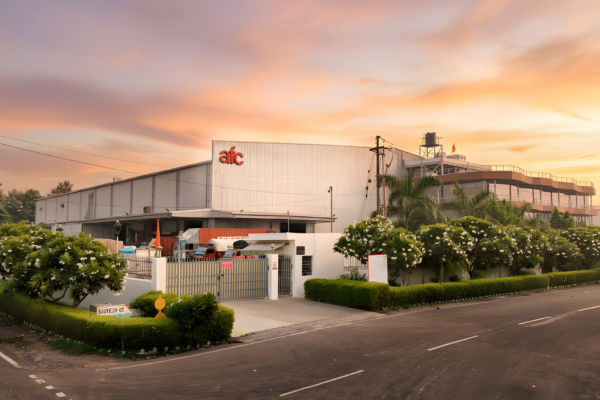
AFC Furniture Solutions has obtained Bureau of Indian Standards (BIS) ISI Mark certification across four commercial furniture categories covered under the Government of India's Furniture (Quality Control) Order (QCO), 2025. Effective from February 13, 2026, the regulation makes BIS certification mandatory for the manufacture, sale and distribution of specified furniture products in India. The certifications cover work chairs, general-purpose chairs and stools, tables and desks, and storage units. According to the company, the achievement aligns its products with the mandatory national quality standards while complementing its existing international sustainability certifications as the furniture industry adapts to the new regulatory framework.Read more
25 Jul 2026
India's Grade A office market maintained positive rental momentum during the first quarter of CY2026, according to the sixth edition of the IIM Bangalore–CRE Matrix Commercial Property Rental Index (CPRI) report. Based on registered lease transactions, the index recorded a 2.9% year-on-year increase across Tier-1 office markets, with a three-year compound annual growth rate (CAGR) of 4.8%. Bengaluru retained the highest CPRI score among major office markets, Mumbai recorded the strongest three-year rental appreciation, while Delhi posted the fastest quarter-on-quarter rental growth, highlighting varied growth trends across India's commercial real estate markets.Read more

25 Jul 2026
ANHAD Group has entered the Delhi-NCR real estate market through its new development arm, ANHAD Developers, marking its diversification from the mining sector after more than three decades of operations. Headquartered at Worldmark, Gurugram, the company plans to develop three flagship projects comprising a luxury residential development, a premium plotted township and a high-street commercial destination. Together, the projects have an estimated development value of around INR 7,000 crore. The developer said its expansion into real estate will focus on customer-centric planning, construction quality, sustainability, transparency and timely execution, with Gurugram identified as the initial market for its premium developments.Read more

25 Jul 2026
United Rentals has raised its full-year revenue forecast after reporting record quarterly revenue, supported by continued demand for equipment rentals across large construction, industrial, energy and AI-related infrastructure projects. The company also delivered stronger-than-expected second-quarter earnings and revenue, surpassing analysts' estimates. Its specialty rentals business recorded the highest growth during the quarter, while the general rentals segment continued to contribute the largest share of revenue. The revised outlook reflects sustained investment in data centres, energy infrastructure and major construction projects despite continued pressure from higher fuel and energy costs.Read more

25 Jul 2026
When India's largest real estate owners are discussed, developers usually dominate the conversation. Yet some of the country's most valuable land banks belong to institutions whose primary work has little to do with property. From sprawling railway stations and military cantonments to university campuses, airports and historic ports, these organisations collectively own thousands of acres in prime urban locations. Many are now redeveloping, leasing or monetising these assets as cities expand. Here are eight Indian institutions quietly managing some of the country's most extraordinary real estate portfolios.Read more

Advertisement

25 Jul 2026
SKA Group has launched SKA Atlantis, a luxury residential project in Siddharth Vihar, Ghaziabad, as it expands its premium housing portfolio in the National Capital Region. The development, comprising three residential towers, is planned for completion by 2031 after the developer acquired the project land from the UP Awas Vikas Parishad. Offering apartments ranging from 1,549 sq ft to 2,989 sq ft, the project has been designed with vehicle-free surface spaces, landscaped greens and lifestyle amenities. The launch comes amid rising residential interest in Siddharth Vihar, supported by improving connectivity, expanding social infrastructure and proximity to major transport corridors.Read more

25 Jul 2026
Australian equities moved higher, with the benchmark S&P/ASX 200 index touching its highest level in nearly five weeks, supported by strong gains in real estate, mining and financial stocks. Investors remained focused on the upcoming employment data for cues on inflation and the central bank's interest rate outlook. Macquarie Group also remained in focus after announcing a leadership transition, while rising gold and oil prices lifted mining and energy stocks. Market sentiment was further supported by gains in major banks and listed property companies.Read more

25 Jul 2026
A joint home loan allows two or more eligible applicants to combine their incomes, potentially increasing their borrowing capacity while sharing repayment responsibility. The loan structure is commonly used by spouses and certain family members, subject to lender eligibility norms. Bajaj Finance offers joint home loans with loan amounts of up to INR 15 crore, interest rates starting from 7.25% per annum for eligible salaried applicants, and repayment tenures of up to 32 years. Applicants should evaluate ownership, repayment responsibilities, eligibility, credit profiles and documentation before applying.Read more

25 Jul 2026
Infrastructure upgrades are reshaping residential demand across Mumbai, with Bhandup West emerging as a key beneficiary of the upcoming Goregaon-Mulund Link Road (GMLR). Srishti Group has positioned its Srishti Oasis residential project to leverage this enhanced connectivity, offering one, two and three-bedroom homes near the proposed corridor. Located around 700 metres from LBS Marg, the development provides access to the Eastern Express Highway, suburban railway stations and the proposed Metro network. According to the developer, the project combines connectivity with lifestyle-focused amenities, while broader market trends cited from ANAROCK indicate sustained interest in infrastructure-led micro-markets across the Mumbai Metropolitan Region as buyers increasingly prioritise accessibility, established social infrastructure and long-term value.Read more

25 Jul 2026
The National Company Law Tribunal (NCLT) has approved the resolution plan submitted by an Aspect Group-led joint venture for financially stressed real estate firms Radius & Deserve Land Developers. The approved plan paves the way for the revival of the companies through a structured resolution process under the Insolvency and Bankruptcy Code (IBC). The decision is expected to facilitate project completion, address creditor claims and provide greater certainty to stakeholders, including lenders and homebuyers associated with the developments.Read more
Advertisement



Advertisement









