Advertisement










Private equity has played a significant role in shaping Indi...
In today’s real estate landscape, fitness is often treated...
In this episode of Prop Personalities, we sit down with Hars...
Luxury real estate is one of the most talked-about segments ...
Welcome to Prop Personalities by Prop News Time - a podcast ...
The Bhopal Metro's Phase II is set to launch by late January or early February, spanning 15 kilometers from Bhadbhada Square to Ratnagiri Intersection with 14 elevated stations. Aimed for completion before the 2028 state elections, the project reflects Madhya Pradesh's commitment to urban development. Lessons from Phase I, including enhanced coordination and a streamlined contractor approach, promise smoother execution. Phase II, part of a planned 31-kilometer network, is expected to boost connectivity, reduce traffic congestion, and drive economic growth. As Bhopal anticipates the metro's benefits, the government's proactive approach could make it a model for urban transport in India.
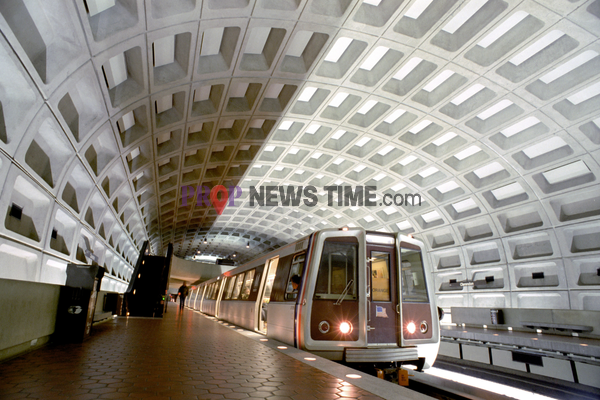
The much-anticipated launch of the Bhopal Metro's Phase II is expected by the end of January and may extend into early February. The Madhya Pradesh government aims to complete both phases of the metro project before the state elections in 2028. This ambitious timeline reflects a commitment to improving urban transport in Bhopal. Advertisement


Phase II of the Bhopal Metro project will cover a distance of approximately 15 kilometers, connecting Bhadbhada Square to Ratnagiri Intersection. The route will feature 14 elevated stations, making it easier for residents to navigate the city. This phase is part of a larger plan to develop a 31-kilometer metro network in Bhopal, which includes the first phase that has faced delays since its inception in 2019.
A consultant from the Madhya Pradesh Metro Rail Corporation Limited (MPMRCL) shared insights about the lessons learned from the first phase. The consultant highlighted that coordination with various agencies was a significant challenge in the initial phase. To address this, the government has adopted a new approach for Phase II, focusing on securing all necessary construction clearances well in advance. This proactive strategy aims to streamline collaboration among key stakeholders, including the Bhopal Municipal Corporation, police, Public Works Department (PWD), and other relevant agencies.
One notable change in the execution of Phase II is the shift from a multi-contractor approach to a more streamlined process. This change is expected to enhance efficiency and ensure that the project stays on track. The estimated timeline for completing this phase is between 24 to 36 months, which aligns with the government's goal of rapid urban development.
In addition to improving transportation, the Bhopal Metro project is expected to have significant economic benefits for the city. Metro systems typically lead to increased property values along the route, stimulate local businesses, and create job opportunities. As Bhopal continues to grow, the metro will play a crucial role in reducing traffic congestion and promoting sustainable urban development.
As the launch date approaches, residents are keenly awaiting the benefits that the metro system will bring. With improved connectivity and reduced travel times, the Bhopal Metro is poised to transform the daily commute for many citizens. The government's commitment to completing the project on time reflects a broader vision for modernizing urban infrastructure in Madhya Pradesh.
Overall, the Bhopal Metro Phase II represents a significant step toward enhancing public transport in the city. As the project progresses, it will be essential for the government to maintain transparency and keep the public informed about developments. With the right approach and collaboration among various stakeholders, the Bhopal Metro could become a model for future urban transport projects in India.

5th Jun, 2025

25th May, 2023

11th May, 2023

27th Apr, 2023
Advertisement





 Facebook
 Whatsapp
