Advertisement










Private equity has played a significant role in shaping Indi...
In today’s real estate landscape, fitness is often treated...
In this episode of Prop Personalities, we sit down with Hars...
Luxury real estate is one of the most talked-about segments ...
Welcome to Prop Personalities by Prop News Time - a podcast ...
Should residents bear the cost of amenities they do not use? Modern residential complexes increasingly offer extensive facilities, yet their construction and maintenance expenses are typically distributed equally among all residents, regardless of usage. This approach raises concerns of fairness, particularly for those who derive little to no benefit from such amenities. A more equitable solution lies in a usage-based model, where costs are allocated in proportion to actual consumption. This ensures sustainability, fosters responsible usage, and prevents unnecessary financial burden on non-users. Prospective homebuyers must carefully assess whether long-term costs align with their lifestyle rather than being swayed by amenities’ initial appeal.
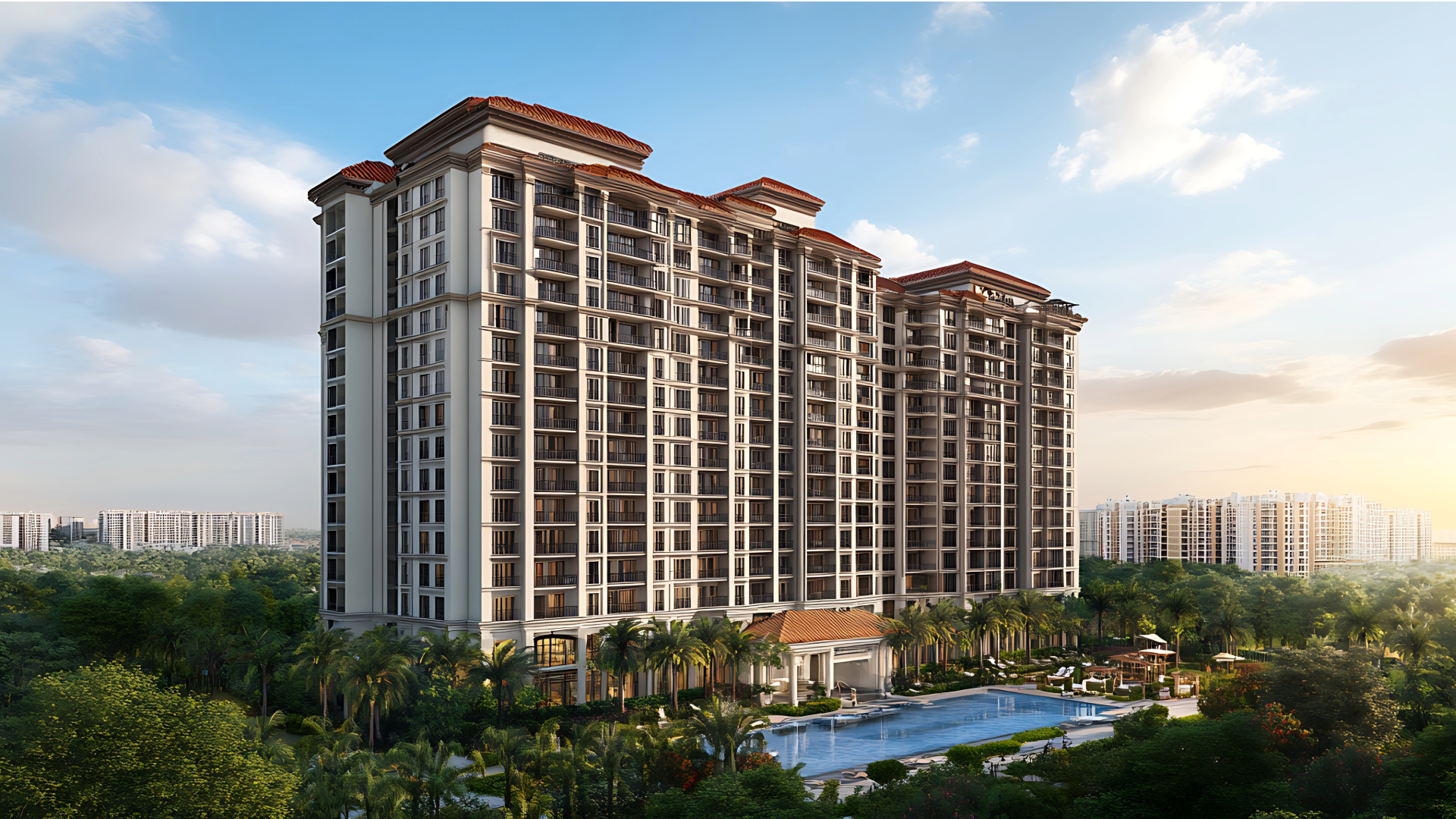
Over the weekend I met a young couple in the throes of finding a home in Mumbai. As working professionals with young children, their criteria included various things such as safety, proximity to schools, good gentry, etc. However, what stood out was their willingness to pay up to twenty per cent more than market value just for amenities. This got me wondering about the dissonance between those who avail the benefits of amenities and those who don’t. The capital cost of providing amenities within a complex is an expense that has to be borne by all, but should those who are not inclined to use amenities be saddled with having to pay for something others enjoy? Advertisement


Amenities are increasingly shaping the appeal of residential complexes, especially in metro cities. Developers now incorporate a wide range of amenities, once exclusive to luxury residences, into new projects. This trend is being widely embraced, with advertisements prioritising amenities over connectivity, construction quality, or gentry. In affordable housing, such offerings are especially attractive, as they promise not just a home but an upgraded lifestyle, appealing to both ego and aspiration. What most prospective buyers fail to determine is the long term cost and benefit that can be derived from these amenities.
Developing amenities within a residential complex involves significant capital expenditure, regardless of project size, density, or market positioning. They require dedicated land, extra space, extended construction time, skilled labor, and advanced technology. These costs are typically shared equally amongst buyers at the time of purchase. For under-construction projects, developers usually include a maintenance corpus and a one-time membership fee to sustain these amenities until the complex is complete and handed over to residents. For those who to don’t intend to use the amenities, paying a premium may feel unfair.
The second aspect of amenities is the revenue expenditure. This is particularly lost on first-time home buyers and investors who are unaware of the implications of such charges. Revenue expenditure is generally split in a democratic fashion amongst all residents on a per square foot basis. Depending upon the type and number of amenities provided, this maintenance charge can become absurdly high. Worse still if major repair and renovation is needed at a later stage.
For some people, amenities form an important aspect of community living. It provides an opportunity to socialise and foster meaningful relationships. On the other hand, many individuals do not utilise common amenities regularly. This may be because they have club memberships elsewhere or interests that extend beyond what the builder can provide for.
Most metro cities have cosmopolitan complexes where people of varied age groups, communities and backgrounds come together. If so, is it really possible to provide services that are equally useful to all those living there? For example, families without children or with aged parents may desire conveniences such as handicapped parking, stretcher lifts and concierge services over indoor playrooms and multi-purpose courts. Moreover, if amenities are provided, one could argue that it is unfair that the financial burden of building and maintaining these facilities is being distributed amongst all when it can practically be enjoyed only by a few.
A possible solution to this conundrum is the introduction of usage-based charges. In such a system residents pay a small fee every time they use an amenity or service. This ensures that the complex collects adequate revenue to maintain the services without burdening non-users. It can create a sense of responsibility amongst regular users and give them the freedom to make changes by way of better maintenance or upkeep without having to worry about securing a majority vote. For facilities such as water or charging stations (for EVs), individual meters can be set up for residents wherein you pay for what you consume. This ensures that other residents are not made to pay for another’s usage or preferences.
What’s important to understand when it comes to amenities in any complex, be it residential or otherwise, is the practicality and long-term benefit. While it may add temporary value to the complex, it comes with significant upfront and ongoing financial commitments. A pay-as-per-use model could help balance fairness and sustainability in this regard, ensuring that those who benefit most contribute proportionally. As a prospective homebuyer, the key is to assess whether the long-term costs of buying into a complex with a lot of amenities justifies your actual need and lifestyle, rather than being swayed by it’s short-term appeal.

5th Jun, 2025

25th May, 2023

11th May, 2023

27th Apr, 2023
Advertisement





 Facebook
 Whatsapp
