Advertisement










When should a housing society in Mumbai start considering re...
From GST on JDAs to SEBI’s REIT reclassification and the S...
Stay ahead in the world of real estate with our daily podcas...
Stay ahead in the world of real estate with our daily podcas...
Luxembourg's first 3D-printed tiny house in Niederanven marks a major step in sustainable housing, with a rapid one-month construction time and a reduced carbon footprint of just 4.4 tonnes. Inspired by successful projects in Germany and Belgium, this 47 sq m home utilizes previously unused small urban plots to address the housing shortage. Equipped with solar panels and recyclable materials, it offers affordability and energy efficiency. Mayor Fred Ternes highlighted how the technology streamlines construction, reducing costs and complexities. This project sets a model for sustainable urban development, showcasing the potential of 3D printing in tackling global housing challenges.
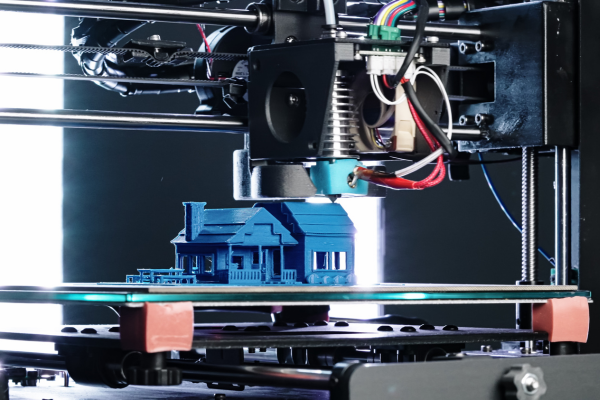
A groundbreaking pilot project in Luxembourg is redefining the way homes are built, offering solutions to both the housing crisis and the environmental challenges of traditional construction. The commune of Niederanven has approved the country's first 3D-printed tiny house, drawing inspiration from similar successful initiatives in Germany and Belgium. This project showcases the transformative potential of 3D-printing technology in creating sustainable and affordable housing. Advertisement


The innovative 47-square-meter home stands out for its rapid construction time and eco-conscious design. It can be built within just one month, a stark contrast to conventional methods that often take months or even years. The construction process results in a minimal carbon footprint of only 4.4 tonnes (or 4.8 tons), which is significantly lower than that of traditional building practices. Additionally, the house is equipped with solar panels, making it self-sufficient and energy-efficient. At the end of its life cycle, all construction materials can be reused, ensuring minimal waste and further emphasizing its sustainability.
One of the project's most notable aspects is its utilization of small, previously unusable urban plots. Across Luxembourg, hundreds of such plots exist, scattered across the country's 100 municipalities. These spaces, deemed too small for traditional houses, can now be transformed into comfortable and energy-efficient homes. This approach not only maximizes land use but also helps alleviate the growing demand for affordable housing in urban areas where space is scarce.
According to Mayor Fred Ternes, the 3D-printed homes eliminate many of the cumbersome procedures associated with conventional construction projects. This streamlined process not only speeds up development but also significantly reduces costs, making the homes more accessible to a broader demographic. By simplifying construction and reducing the time required, these tiny homes have the potential to address housing shortages more efficiently than traditional methods.
For homeowners, the benefits extend beyond affordability. The integration of solar panels ensures lower energy bills, reducing long-term living costs. Homeowners can also take pride in knowing their homes were constructed with sustainability at the forefront, from the eco-friendly building materials to the reduced carbon emissions during construction.
This initiative demonstrates how 3D-printing technology has evolved from a niche innovation into a viable solution for global challenges. By combining environmental responsibility, cost-efficiency, and adaptability, the project sets a precedent for how housing can be reimagined. As it moves forward, the concept holds promise not just for Luxembourg but for urban areas worldwide, offering a model for sustainable development that balances the needs of people and the planet.

5th Jun, 2025

25th May, 2023

11th May, 2023

27th Apr, 2023
Advertisement








 Facebook
 Whatsapp
