Advertisement










When should a housing society in Mumbai start considering re...
From GST on JDAs to SEBI’s REIT reclassification and the S...
Stay ahead in the world of real estate with our daily podcas...
Stay ahead in the world of real estate with our daily podcas...
Hawaiian lawmakers are aiming to stabilize the state's property insurance market as rising natural disasters and climate change effects drive up premiums. Senate President Ron Kouchi cited the 2023 Maui wildfires as exacerbating insurers' concerns, while Senator Jarrett Keohokalole acknowledged challenges in reviving past programs like the Hawaii Hurricane Relief Fund, which previously supported 1.55 lakh policyholders after Hurricane Iniki. Condominium owners face added strain, with 375 out of 390 buildings underinsured, affecting mortgage approvals. The ongoing LA wildfires, with estimated losses of USD 135-150 billion, further disrupt the reinsurance market, potentially worsening Hawaii's insurance crisis.
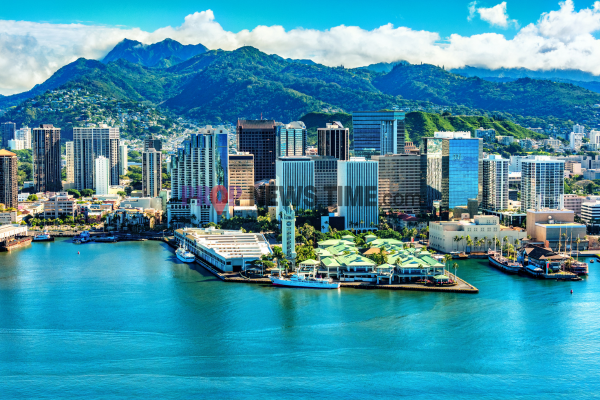
Hawaiian legislative officials pledged to bring some stability to the property insurance market. This news follows the rise in insurance rates by at-home and out-of-state carriers due to increased natural disasters and the effect of climate change on the state's environment. Hawai'i Senate President Ron Kouchi addressed a press conference, stating that Hawai'i has historically been seen as a disaster-prone region, with the Maui wildfires in 2023 only intensifying these notions. Insurance companies frequently seek to insure themselves with companies in different states and countries, creating a reinsurance market. This past month has seen a rise in climate change effects across different parts of the United States - the wildfires in California and winter storms in North Carolina and other states - which are affecting the reinsurance market. Advertisement


Currently, the widespread wildfires in Los Angeles threaten to disrupt the entire insurance market. The wildfires have caused extensive damage to some prominent localities within the city, with estimated losses between USD 135 billion to 150 billion. Given that the fires have not yet been extinguished, damage could potentially worsen and further the disruption within the insurance market. Democrat Senator Jarrett Keohokalole - Chair for the Senate Commerce and and Consumer Protection Committee - believes that disasters of this nature and scale will happen more often and is calling for initiatives that will help the state be more equipped to handle them.
One of the initiatives involves bringing back programs that had been implemented after the 1992 Hurricane Iniki of Kaua'i. Due to the intensity of the damage of the hurricane (USD 3.1 billion at that time), the state created a fund to support residents by offering them hurricane insurance. The fund - named the Hawaii Hurricane Relief Fund - heavily impacted private property insurance carriers at the time, as the state provided hurricane coverage which extended to around 1.55 lakh individuals. The state funded the program using money collected from various sources, including policy premiums, fees charged to insurance companies, among other fees. There were even plans to issue bonds to support the fund, but those never materialized.
Senator Keohokalole, however, also expressed his doubts about such an undertaking, highlighting that the state has limited financial and regulatory capacity to intervene directly in the market, meaning it cannot guarantee that any government-supported program would bring insurance prices down to the levels homeowners are used to paying. He did emphasize on the importance of homeowners being able to buy insurance locally. He added that it is unfair to expect elderly people with limited income and struggling families in Hawaii to pay high prices determined by the global insurance market, as Hawaii faces special risks from natural disasters like tsunamis, wildfires, and hurricanes which in turn adds extra financial strain on these vulnerable populations.
In addition to the property insurance market, condominium owners in the state are also facing setbacks. In the past year, the condo board reported that they were reducing their insurance coverage due to higher premiums impacting their affordability. However, Freddie Mac and Fannie Mae (government-sponsored organizations that buy home loans from banks) only take on mortgages for fully insured buildings. This disrupts the home-buying process as banks do not lend money to condo owners. According to one of the testifiers, around 375 out of 390 condo buildings in Hawaii were underinsured. Senate President Kouchi also highlighted that without insurance, people would face more challenges in acquiring home loans, thus being compelled to pay for homes in cash. This could present a problem in Hawaii, where the average price of a single-family home is over USD 1 million in most areas.
Speaking at the conference, Keohokalole mentioned that longer term solutions to environmental disasters would also need to be ideated and implemented, allowing residents and homeowners to be better prepared to stand against such calamities. The LA wildfires are also causing a furor in the Californian insurance market, as several carriers and insurance providers are withdrawing property insurances.

5th Jun, 2025

25th May, 2023

11th May, 2023

27th Apr, 2023
Advertisement








 Facebook
 Whatsapp
