Advertisement








When should a housing society in Mumbai start considering re...
From GST on JDAs to SEBI’s REIT reclassification and the S...
Stay ahead in the world of real estate with our daily podcas...
Stay ahead in the world of real estate with our daily podcas...
The Agra Metro is a transformative urban transit project designed to modernize Agra's transportation infrastructure and support its population and tourism. Phase 1 includes two corridors: the Yellow Line (Taj East Gate to Mankameshwar Mandir) and the Blue Line (Agra Cantt to Kalindi Vihar), covering 29.4 km with a total estimated cost of INR 12,899 crore. The Yellow Line's 6 km priority corridor, inaugurated in March 2024, features six stations, including Taj Mahal and Agra Fort. Upon full completion by 2026, it promises a seamless, sustainable transport solution for residents and tourists alike.
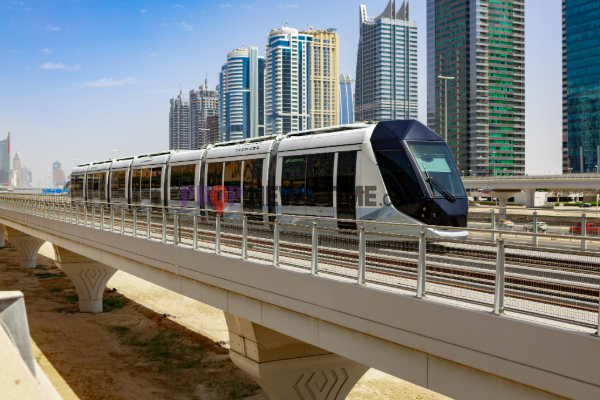
The Agra Metro is a significant urban transit project aimed at enhancing the transportation infrastructure of Agra, a city renowned for its rich cultural heritage and as a major tourist destination in India. This metro system is designed to provide efficient, reliable, and eco-friendly public transport, thereby reducing traffic congestion and pollution in the city. Advertisement


The proposal for the Agra Metro was initiated to improve urban mobility and support the city's growing population and tourism industry. The Detailed Project Report (DPR) for Phase 1 was prepared by RITES and submitted to the Uttar Pradesh State Government on June 30, 2016. The project received approval from the Central Government in February 2019, and construction commenced on December 7, 2020, with Prime Minister Narendra Modi laying the foundation stone virtually.
As of March 6, 2024, the Agra Metro has commenced operations on a priority corridor of the Yellow Line, covering a 6 km stretch from Taj East Gate to Mankameshwar Mandir. This section includes six stations: Taj East Gate, Basai, Fatehabad Road, Taj Mahal, Agra Fort, and Jama Masjid. The total estimated cost for Line 1 is INR 8,379 crore and seven underground stations. The second corridor, the Blue Line, planned to run from Agra Cantt to Kalindi Vihar, this corridor will span 15.4 km and feature 15 elevated stations. The estimated cost for Line 2 is INR 4,520 crore. The entire Phase 1, encompassing both corridors, is expected to be completed by 2026.
The Agra Metro trains are equipped with modern amenities to enhance passenger comfort and safety. Each three-coach train can accommodate approximately 700 passengers, with features like regenerative braking systems that can save up to 35% of energy, carbon-dioxide sensor-based air-conditioning that adjusts based on passenger load, and advanced propulsion systems to reduce air pollution. Stations are designed with local architectural elements, selfie points, and are equipped with 28 CCTV cameras each to ensure security.
The Agra Metro project has faced challenges typical of large-scale infrastructure developments, including land acquisition issues, coordination among multiple agencies, and the need to preserve the city's historical sites during construction. Despite these challenges, significant progress has been made. The inauguration of the 6 km priority corridor in March 2024 is a notable achievement, completed in approximately 29 months. This milestone demonstrates the project's commitment to enhancing urban mobility in Agra.
The Agra Metro represents a transformative initiative to modernize the city's public transportation system, catering to both residents and the millions of tourists who visit annually. Upon completion, it is expected to significantly reduce traffic congestion, lower pollution levels, and provide a seamless travel experience across key areas of the city. The project's integration of advanced technologies and passenger-centric features positions it as a model for urban transit solutions in India.

5th Jun, 2025

25th May, 2023

11th May, 2023

27th Apr, 2023
Advertisement








 Facebook
 Whatsapp
