Advertisement








When should a housing society in Mumbai start considering re...
From GST on JDAs to SEBI’s REIT reclassification and the S...
Stay ahead in the world of real estate with our daily podcas...
Stay ahead in the world of real estate with our daily podcas...
The Bhubaneswar Metro, initiated by the Bhubaneswar Metro Rail Corporation Limited (BMRCL), aims to modernize transportation in Odisha's capital region. Approved in 2023, Phase 1 covers a 26 km corridor from the airport to Trisulia Square, including 20 elevated stations and an estimated cost of INR 5,926.38 crore. With construction starting in early 2024 and operations expected by 2028, the project strives to ease congestion, reduce emissions, and enhance daily commutes. Future expansions may link Bhubaneswar with Cuttack and other key destinations. Although concerns about viability, population density, and ridership persist, proper integration with existing public transport could ensure the metro's success.
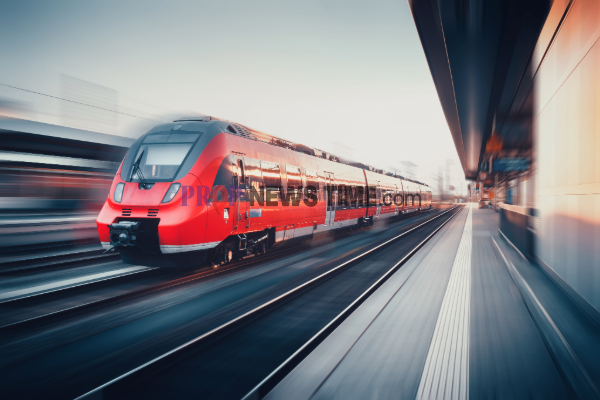
The Bhubaneswar Metro project marks a transformative initiative aimed at reshaping urban transportation in Odisha's capital and its neighboring regions. As Bhubaneswar continues to grow in population and economic activity, the need for a sustainable, efficient, and modern transit system has become increasingly evident. Spearheaded by the Bhubaneswar Metro Rail Corporation Limited (BMRCL), this ambitious project seeks to alleviate traffic congestion, reduce pollution, and provide a reliable public transportation alternative. With the metro system's planned connectivity to Cuttack, the project has the potential to revolutionize the way people commute in the region. Advertisement


The idea of a metro system for Bhubaneswar was first discussed over a decade ago. In 2010, the Odisha state transport department engaged the Delhi Metro Rail Corporation (DMRC) to assess the feasibility of a metro linking Bhubaneswar and Cuttack. However, in 2013, E. Sreedharan, the principal advisor to DMRC, concluded that Bhubaneswar's population at the time was too low to support a metro system, recommending a bus rapid transit system instead.
Despite this initial skepticism, the state government remained committed to the metro proposal. In August 2014, a contract was signed with Balaji Railroad Systems Ltd. (BARSYL) to prepare a detailed project report for a mass rapid transit system. The project finally gained momentum on April 1, 2023, when Chief Minister Naveen Patnaik officially announced the approval of the Bhubaneswar Metro, coinciding with Utkal Dibasa (Odisha Day).
The Phase 1 of the Bhubaneswar Metro project covers a 26.024-kilometre corridor, running from Biju Patnaik International Airport to Trisulia Square near Cuttack. This corridor will feature 20 elevated stations strategically placed at key locations, including Capital Hospital, Rajmahal Square, Vani Vihar Square, and Jaydev Vihar. The route aims to connect residential areas, business districts, educational institutions, and key landmarks, thereby improving accessibility across the city.
The estimated cost for Phase 1 of the Bhubaneswar Metro is INR 5,926.38 crore, fully funded by the Odisha state government. In the 2024 state budget, an initial allocation of INR 1,000 crore was made to begin construction activities. Contracts worth INR 898.99 crore have already been awarded to Ceigall India Ltd. for the construction of a 10.97-kilometre segment, which includes six elevated stations between KIIT Square and Trisulia Square.
As of December 2024, significant progress has been made on the preliminary aspects of the Bhubaneswar Metro project. Soil testing, an essential step for structural planning, is well underway, with around 50 out of 250 planned tests completed. The project's foundation stone was laid on January 1, 2024, and construction is expected to take four years, with the metro slated to become operational by 2028.
The Bhubaneswar Metro is not limited to Phase 1; future phases aim to extend the network to other urban centers such as Khurda and Puri. This expansion would provide seamless connectivity between Bhubaneswar, Cuttack, and important cultural and tourist destinations like Puri. The integration of these regions into a cohesive metro network is expected to boost tourism, facilitate economic growth, and enhance the overall quality of life for residents.
Despite its promise, the Bhubaneswar Metro faces several challenges. One major concern is the project's financial viability. Metro systems are capital-intensive, and sustaining operational costs can be difficult if ridership falls short of projections. Experiences from other Indian cities like Jaipur and Lucknow highlight the risk of underutilization, leading to financial losses.
Moreover, Bhubaneswar's relatively smaller population, compared to metropolitan cities like Delhi and Mumbai, raises questions about whether the metro can attract enough daily commuters. Effective integration with existing public transport services, such as the successful Mo Bus service, will be crucial in ensuring the metro's success. Addressing issues like last-mile connectivity, affordable fare structures, and public awareness campaigns will also play a significant role in achieving the desired ridership levels.
If implemented successfully, the Bhubaneswar Metro could serve as a transformative urban infrastructure project for the city. By offering a dependable alternative to road-based transport, it has the potential to reduce traffic congestion, leading to shorter travel times and lower vehicular emissions. Moreover, the shift from private vehicles to metro rail would contribute to enhanced environmental sustainability, curbing air pollution and improving overall urban livability. Beyond transportation efficiencies, the improved connectivity is expected to catalyze economic growth, attracting new investments, boosting commercial activities, and paving the way for the development of satellite towns and business hubs. Ultimately, these collective benefits would elevate the quality of life for thousands of residents, making their daily commute more convenient, efficient, and stress-free.
The Bhubaneswar Metro represents a significant step toward modernizing urban transport in Odisha. With a well-planned route, strategic funding, and a vision for future expansion, the metro system aims to transform Bhubaneswar into a more connected, sustainable, and livable city. While challenges remain, particularly regarding financial sustainability and ridership, careful planning and effective integration with existing public transport can ensure the project's long-term success. As construction progresses, the Bhubaneswar Metro stands as a symbol of the city's aspirations for growth, development, and a better future for its residents.

5th Jun, 2025

25th May, 2023

11th May, 2023

27th Apr, 2023
Advertisement








 Facebook
 Whatsapp
