Advertisement










When should a housing society in Mumbai start considering re...
From GST on JDAs to SEBI’s REIT reclassification and the S...
Stay ahead in the world of real estate with our daily podcas...
Stay ahead in the world of real estate with our daily podcas...
Saudi Arabia's residential property market witnessed a notable slump in Q1, primarily due to escalating prices and significant internal migration, according to a Knight Frank report. The surge in villa and apartment costs in Riyadh and a shift towards domestic migration has led to a sharp fall in transactions. Amid these changing dynamics, Saudi Arabia's real estate market trajectory remains to be closely watched by investors and policymakers.
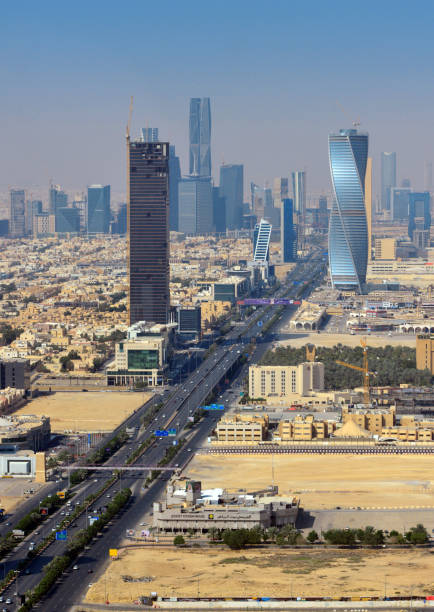
The first quarter witnessed a marked slump in Saudi Arabia's residential property market due to increased prices, reduced subsidies, and substantial domestic migration trends, as per a recent Knight Frank report. Annual residential transactions in Riyadh and Jeddah plunged by 57% and 67% respectively in the first three months of the year.
Advertisement


The steep 40% and 50% surge in the prices of villas and apartments in Riyadh last year, respectively, has significantly stifled buyer interest. As prices continue to soar, prospective homeowners are forced to pause and accumulate larger down payments, noted Faisal Durrani, head of Middle East research at Knight Frank.
Moreover, the report suggests that a substantial number of those who intended to transition from renting to ownership may have already made their move, further contributing to the slowing demand.
An emerging trend of domestic migration has also played a pivotal role in this residential market trend. Young Saudis, making up over half the population, are demonstrating higher mobility, often relocating to exploit better career opportunities.
Shockingly, almost 68% of Saudis do not consider themselves permanent residents in their current cities, indicating a probable out-of-town origin. This demographic segment has shown a greater inclination towards renting rather than owning, leading to a significant shift of properties from the sales to the leasing market, thus shrinking the purchase inventory and sustaining high home prices.
With a current home ownership rate of approximately 67%, Saudi Arabia is nearing its 2030 target of 70%.
As the nation undertakes several mega projects, Saudi Arabia's real estate market is gaining traction among GCC investors. The Kingdom's Vision 2030 agenda aims at economic diversification by developing local industries and reducing dependence on hydrocarbons. In line with this vision, an investment of $220 billion is being allocated to make Riyadh one of the world's top ten city-economies.
In conclusion, Saudi Arabia's residential property market is witnessing a transformative phase. The recent slump in home ownership demand is being shaped by multiple factors including escalating prices, changes in subsidies, and shifts in domestic migration. As the market continues to adapt to these changing dynamics, its future trajectory will be of keen interest to investors, policymakers, and residents alike.

5th Jun, 2025

25th May, 2023

11th May, 2023

27th Apr, 2023
Advertisement








 Facebook
 Whatsapp
