Advertisement






Follow us on Instagram, Facebook, YouTube, X, Spotify, Amazon Music, Apple Music and more.
What really powers the cloud? Behind every Google search, A...
A lot of what defines a home isn’t visible at handover. I...
Private equity has played a significant role in shaping Indi...
Luxury real estate is one of the most talked-about segments ...
Airports play a much bigger role than just enabling travel -...
1 minute ago
Prism, the parent company of OYO, has begun investor roadshows for its proposed INR 6,650 crore initial public offering (IPO), with discussions largely centred on its acquisition-led growth strategy. An analysis of the company's financials shows that its two largest acquisitions,G6 Hospitality in the US and Europe's OVH currently contribute only about 20% of its EBITDA, while nearly 80% has been generated through operational improvements after integration. The company has also reported strong growth in bookings, profitability and international operations, particularly in the US and Europe, ahead of its planned market debut.Read more

31 minutes ago
Engineers India Ltd (EIL) has signed a memorandum of understanding (MoU) with the Directorate General of Maritime Administration (DGMA) to provide engineering consultancy, technical advisory and project management services for maritime infrastructure projects across India. The partnership will focus on project planning, feasibility studies, technology integration, infrastructure development and capacity enhancement. It also aligns with the government's efforts to modernise the country's maritime sector through improved efficiency, sustainable practices and advanced technologies. The collaboration brings together EIL's engineering expertise and DGMA's regulatory role to support long-term maritime infrastructure development.Read more

1 hour ago
Silverstorm Parks and Resorts has opened its INR 82.43 crore initial public offering (IPO) for public subscription after raising nearly INR 21.97 crore from anchor investors. The Kerala-based leisure and amusement park operator plans to use the proceeds to develop a new snow park and family entertainment centre in Lucknow, upgrade its existing Athirappilly theme park, repay debt and meet general corporate requirements. The company, which operates entertainment destinations in Kerala and Jharkhand, reported strong financial growth in FY26 and is expected to list on the BSE SME platform later this month.Read more

1 hour ago
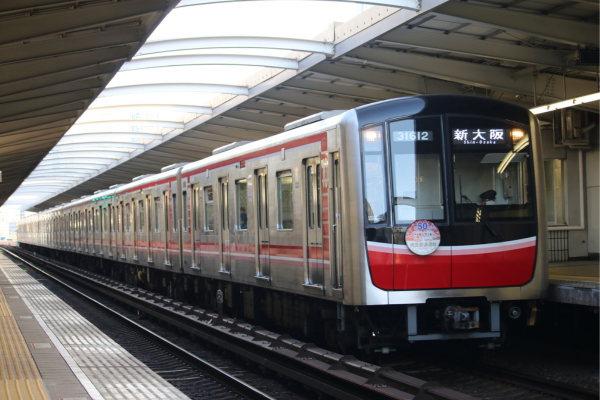
Construction of Jaipur Metro Phase 2 has commenced after Rajasthan Chief Minister Bhajanlal Sharma launched work on the INR 13,370 crore project. The 41-km metro corridor will feature 36 stations, connecting Prahladpura in Sitapura to Todi Mod across Jaipur. The route will improve access to the airport, railway stations, hospitals, educational institutions and industrial areas. Scheduled for completion by September 2031, the project is expected to expand the city's urban transport network and improve connectivity across key residential and commercial zones.Read more
2 hours ago
Grovy India Limited, a BSE-listed real estate developer headquartered in South Delhi, reported a 74% year-on-year increase in net profit to INR 1.9 crore for the first quarter of FY27, supported by strong project execution and higher revenue. Total revenue surged 233% year-on-year to INR 27.58 crore, while sequential performance also improved significantly. During the quarter, the company acquired three premium residential projects covering around 50,000 sq. ft. in South Delhi and continued work on 10 ongoing developments spanning 1.83 lakh sq. ft. Looking ahead, the developer plans to expand its annual project pipeline, supported by its collaboration with Golden Growth Fund, and is targeting a future listing on the National Stock Exchange, subject to regulatory approvals and market conditions.Read more

Advertisement

2 hours ago
Equities have surpassed real estate as the largest contributor to US household wealth for the first time since World War II, according to a Goldman Sachs report. The investment bank said strong stock market gains, particularly since the global financial crisis, have significantly increased household exposure to equities, with technology stocks playing a major role. While this shift has supported consumer spending through rising wealth, Goldman cautioned that higher equity exposure also increases the risk of financial losses if markets witness a sharp correction amid elevated valuations and economic uncertainty.Read more
3 hours ago
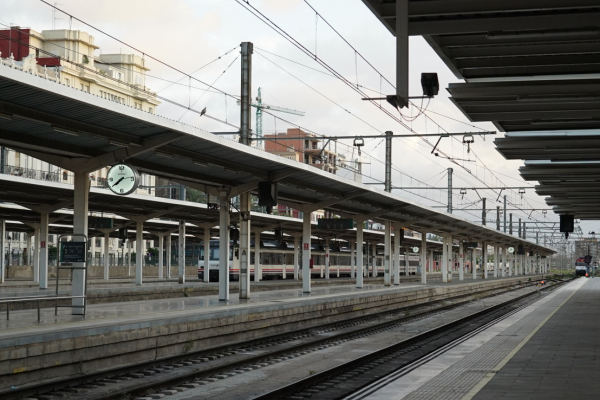
The Jammu and Kashmir government has approved an INR 15.22 crore project to upgrade the Kathua Grid Station to strengthen the region's power transmission network. The project includes increasing the station's capacity and carrying out related infrastructure works to meet rising electricity demand. The upgrade is expected to improve transmission reliability, reduce overloading, and ensure a more stable electricity supply for Kathua and nearby areas. The initiative is part of the government's ongoing efforts to modernise the Union Territory's power infrastructure and support economic growth through better electricity services.Read more
3 hours ago
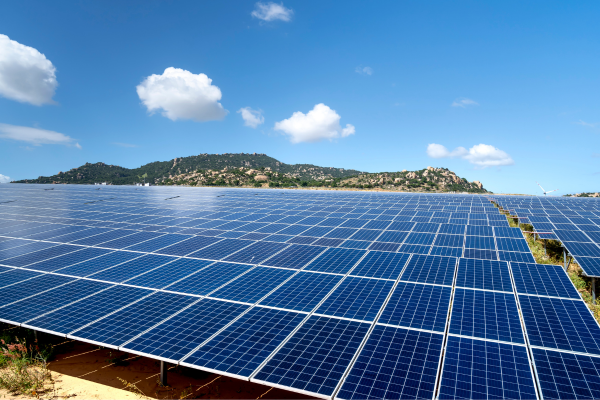
Juniper Green Energy will open its INR 1,800 crore initial public offering (IPO) for public subscription on July 30, with the issue closing on August 3. The offering consists entirely of a fresh issue of equity shares and does not include an offer-for-sale component. The company plans to use the proceeds primarily to reduce debt at both the parent and subsidiary levels, while also supporting general corporate requirements. Backed by Singapore-based AT Capital Group, Juniper Green Energy has been expanding its renewable energy portfolio, including utility-scale solar, wind, hybrid and battery energy storage projects across India.Read more

4 hours ago
Finance Minister Nirmala Sitharaman has asked Income Tax officials to ensure a taxpayer-friendly approach for honest taxpayers while taking strict action against deliberate tax evasion. Speaking at the 167th Income Tax Day celebrations, she outlined five priorities for responsive tax governance and highlighted the role of the newly implemented Income Tax Act, 2025 in simplifying tax laws. She also stressed reducing tax litigation, improving refund processing, strengthening tax certainty, and using technology to deliver faster and more efficient taxpayer services as India's economy continues to expand.Read more

4 hours ago
Protests against a proposed luxury resort linked to Jared Kushner intensified in Albania after demonstrators clashed with police outside Parliament. Authorities used water cannons and tear gas after protesters threw eggs and bottles during demonstrations that have continued for nearly two months. Activists claim the project threatens a protected wetland and reflects wider governance concerns, while the government has dismissed the movement as politically motivated. The controversy has also drawn attention after reports of an investigation into land transactions connected to the project, although those involved have denied any wrongdoing.Read more

Advertisement

5 hours ago
Manipal Health Enterprises Ltd, backed by Temasek, plans to strengthen its presence across key healthcare markets as it prepares to launch its INR 9,275 crore initial public offering. The hospital chain is exploring acquisition opportunities in Kerala, Hyderabad and the National Capital Region while also expanding through greenfield and brownfield projects. A large part of the IPO proceeds will be used to reduce debt, particularly borrowings linked to the Sahyadri Hospitals acquisition. The company also plans to add around 3,000 beds over the next three years and commission a new hospital in Mumbai.Read more

5 hours ago
India's long-term growth in natural gas consumption will depend on expanding transmission and distribution infrastructure, reforming gas pricing and market regulations, and increasing investment in gas-intensive industries, according to a new report by the International Gas Union (IGU). While the country has significantly increased its LNG regasification capacity, inadequate midstream infrastructure and market constraints continue to limit gas adoption. The report also highlights India's dependence on LNG and LPG imports, particularly through the Strait of Hormuz, and notes that recent geopolitical disruptions have exposed vulnerabilities in the country's energy supply chain. It says lower global LNG prices alone will not boost gas demand unless accompanied by infrastructure development, market liberalisation and regulatory reforms.Read more

6 hours ago
Bank of Baroda reported a 48% year-on-year decline in its consolidated net profit for the June quarter of FY27 after making a one-time settlement payment of nearly INR 5,680 crore in the long-running NMC Group dispute in the UAE. The lender said the out-of-court settlement was a commercially prudent decision and does not create any future liability. Despite the exceptional impact, the bank maintained healthy loan and deposit growth, retained its FY27 guidance, strengthened its international business strategy, and continued to report stable asset quality and capital adequacy.Read more

Advertisement






6 hours ago
ACME Solar Holdings has operationalised an additional 2.29 GWh of Battery Energy Storage System (BESS) capacity in Rajasthan during the current financial year, taking its total operational storage capacity to 3.62 GWh across three project sites in the state. The expansion strengthens the company's energy storage portfolio and supports the integration of renewable energy into the grid. Battery energy storage systems play a key role in improving grid reliability, balancing intermittent renewable power generation and supporting India's growing clean energy and energy transition goals.Read more
7 hours ago
The Union Cabinet has approved the BHAVYA-Rasayan Scheme with a financial outlay of INR 3,030 crore to establish three dedicated chemical parks across India. Announced in the Union Budget for FY2026–27, the scheme aims to strengthen the country's chemical manufacturing ecosystem by creating common infrastructure and utilities. The Centre will provide up to INR 1,000 crore for each park, while the respective state governments will contribute at least INR 500 crore. The initiative is expected to attract significant private investment, improve logistics efficiency, and support the growth of upstream, downstream and ancillary industries.Read more

Advertisement

27 Jul 2026
The Indore Municipal Corporation (IMC) has constituted a five-member committee to investigate the alleged unauthorised transfer of 356 property tax accounts. The panel will examine how the transfers were processed, identify procedural lapses and recommend corrective measures where necessary. The inquiry is expected to strengthen oversight of municipal property records, improve accountability in property tax administration and safeguard the integrity of ownership-related data maintained by the civic body.Read more

27 Jul 2026
Adani Energy Solutions Ltd (AESL) has secured an INR 8,500 crore power transmission project in Andhra Pradesh through the Centre's tariff-based competitive bidding process. The project will strengthen power infrastructure for upcoming green hydrogen and green ammonia facilities in the Visakhapatnam region while supporting rising electricity demand from new data centres and digital infrastructure. To be executed through a special purpose vehicle, the project will add 1,582 circuit kilometres of transmission lines and 10,500 MVA of transformation capacity, further expanding AESL's nationwide transmission network.Read more

27 Jul 2026
Telangana Chief Minister A. Revanth Reddy has directed officials implementing the Indiramma Housing Scheme to prioritise the construction of affordable homes within established residential areas and close to beneficiaries' workplaces instead of developing housing on city outskirts. The directive aims to reduce commuting time, safeguard livelihoods and improve access to urban infrastructure and public services. The state government has also instructed officials to identify suitable government land for the programme and accelerate implementation. The move forms part of Telangana's broader affordable housing strategy, which seeks to deliver housing that is better integrated with existing urban neighbourhoods while ensuring improved quality of life for economically weaker sections.Read more

27 Jul 2026
Retail space leasing across shopping malls and high streets in Delhi-NCR rose 78% year-on-year to 1.3 million sq. ft. during the first half of 2026, driven by robust expansion by fashion retailers, food and beverage (F&B) operators and department stores, according to Cushman & Wakefield. Mall leasing more than doubled during the period, while leasing in high streets recorded moderate growth. The consultancy attributed the momentum to sustained retailer demand for quality retail assets, with vacancies in Grade A malls remaining low. Industry executives said expanding organised retail, improving infrastructure and the emergence of new consumption corridors across the National Capital Region are supporting long-term growth in the retail real estate market.Read more

27 Jul 2026
Miramar Hotel and Investment Co Ltd has entered into a joint venture to acquire a 50% interest in the MPM Plaza property. The company said the joint venture was formed over the past week, with the total capital requirement for the venture expected to be HKD 400 million. The funding will be contributed equally by both partners in a 50:50 ratio. The transaction is part of the company's property investment strategy and expands its presence in the real estate sector through a jointly owned commercial asset.Read more
Advertisement

27 Jul 2026
Road safety experts have stressed the need for practical, affordable and evidence-based measures to improve road safety across India, particularly in urban areas where most crashes occur due to poor road design. Speaking at a conference organised by the India chapter of the International Road Federation, experts said interventions such as better road markings, improved street lighting, raised pedestrian crossings, roundabouts and safer intersections can significantly reduce accidents. They also highlighted the role of technology and global best practices in creating safer roads while improving mobility for all users.Read more

27 Jul 2026
Co-living operator Union Living expects to more than double its revenue to INR 85–90 crore in FY27 as it expands its managed rental housing portfolio across key urban markets. The Mumbai-based company, which reported revenue of INR 38 crore in FY26, has accelerated capacity additions, particularly in Pune, where it has added 1,000 beds since April. Union Living currently operates 16 co-living centres across Mumbai, Pune, Ahmedabad and Gurugram, offering around 3,000 beds for students and working professionals. The company plans to increase its capacity to 4,000 beds by March 2027, supported by a build-to-suit development model and growing demand for professionally managed rental accommodation.Read more

27 Jul 2026
A fire that broke out in a residential high-rise in Thane led to the evacuation of around 80 residents as emergency teams carried out rescue and firefighting operations. The blaze, which reportedly originated in the building's electrical duct, was brought under control without any loss of life. Authorities also rescued a resident trapped inside a lift during the incident. Officials have launched an inquiry into the cause of the fire while assessing the extent of damage to the building's electrical infrastructure.Read more

27 Jul 2026
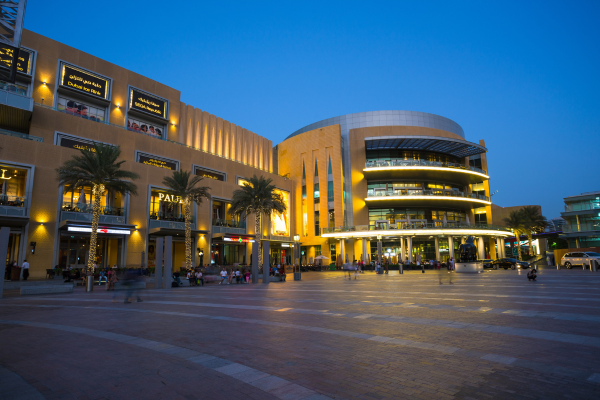
Consumer expectations from shopping malls in India have evolved beyond conventional retail, with destinations increasingly combining shopping, dining, entertainment and lifestyle experiences. Phoenix Palladium in Mumbai has positioned itself within this segment by offering a mix of international and domestic brands, restaurants, entertainment venues and year-round events. Spread across approximately 2.1 million sq. ft., the destination houses more than 650 brands and over 50 dining outlets. The development illustrates the broader transformation of India's organised retail sector, where developers are focusing on integrated, experience-led environments to attract longer visitor stays and repeat footfall.Read more
27 Jul 2026
Morgan Stanley Real Estate Investing (MSREI) has expanded its presence in the European logistics sector by acquiring a portfolio of five fully leased logistics assets across key French markets. Spread across Paris, Lille, Bordeaux, Nîmes and Tours, the portfolio covers nearly 160,000 square metres and will be managed with a long-term value creation strategy. FIRE Asset Management has been appointed as the operating partner. The acquisition reflects MSREI's continued focus on industrial and logistics real estate, supported by strong occupier demand and favourable market fundamentals in France.Read more

Advertisement

27 Jul 2026
Haryana Chief Minister Nayab Singh Saini has directed officials to prioritise cleanliness, planned urban development and civic infrastructure in Gurugram, while reviewing public grievances related to housing, utilities and environmental compliance. During a review meeting, he instructed authorities to ensure the scientific disposal of construction and demolition (C&D) waste, improve basic amenities in regularised colonies and prevent builders from disconnecting electricity supplies over maintenance disputes. The Chief Minister also set a one-month deadline to eliminate open dumping of C&D waste across the city and called for stricter enforcement against violations. The directions form part of the state government's efforts to strengthen urban governance and improve civic infrastructure in Gurugram.Read more

27 Jul 2026
Mumbai Metro Line 2B has reached another construction milestone with the successful installation of the first 70-tonne back-span pier segment of the Bandra Railway Over Bridge. The development marks the beginning of steel superstructure work on one of the city's most complex cable-stayed bridges. Being built over the Western Express Highway and the Western Railway corridor near Bandra Railway Station, the project is progressing while rail and road traffic remain operational. Once completed, Metro Line 2B will improve east-west connectivity, reduce travel time and integrate with several major transport networks across Mumbai.Read more

27 Jul 2026
Global capability centres (GCCs) continue to strengthen India's commercial real estate market, with foreign companies leasing 104.6 million square feet of Grade A office space across seven major cities since 2022, according to Colliers India. The report highlights that India remains the preferred destination for multinational firms due to its skilled workforce, cost advantage and technology ecosystem. GCCs accounted for 37 per cent of total office leasing during the period, while their share rose to 46 per cent in the first half of this year, reflecting their growing role in driving office demand.Read more

27 Jul 2026
The Central Government has approved power distribution projects worth INR 40,739 crore for Uttar Pradesh under the Revamped Distribution Sector Scheme (RDSS). The investment will be used to modernise electricity distribution infrastructure, strengthen network capacity and improve the quality and reliability of power supply across the state. The programme is also expected to reduce distribution losses, enhance operational efficiency and support Uttar Pradesh's rising electricity demand driven by rapid urbanisation, industrial growth and expanding consumer connectivity.Read more

27 Jul 2026
Lodha Developers Ltd has set a target of achieving a 20% increase in net profit to INR 4,100 crore in FY27 after reporting its highest-ever quarterly earnings for the April–June period. The Mumbai-based developer posted a twofold rise in net profit to INR 1,373.1 crore, supported by higher revenue, improved margins and sustained housing demand. The company has already achieved one-third of its full-year profit guidance in the first quarter. It also reported growth in residential sales bookings and reiterated its confidence in long-term expansion, backed by strong demand for branded housing, low leverage and plans to enter the Delhi-NCR residential market during the current financial year.Read more
Advertisement

27 Jul 2026
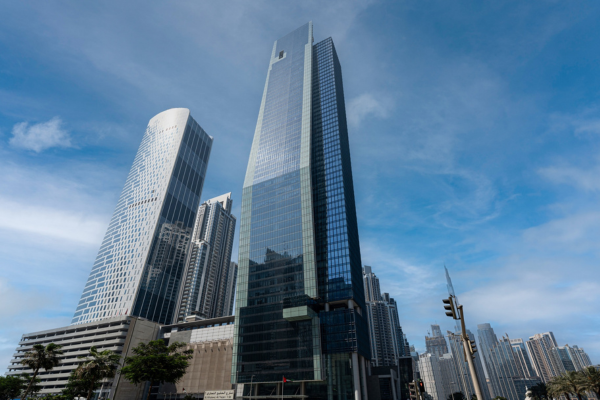
Blackstone is planning to establish an office at Dubai International Financial Centre (DIFC), marking its return to Dubai after relocating its regional base to Abu Dhabi in 2019, according to sources. The move is expected to strengthen the world's largest alternative asset manager's presence across the Gulf as it expands its focus on private wealth and regional investments. The company is expected to retain its Abu Dhabi office while increasing its presence in Dubai, which has emerged as a major financial hub attracting global investment firms, family offices and high-net-worth individuals.Read more
27 Jul 2026
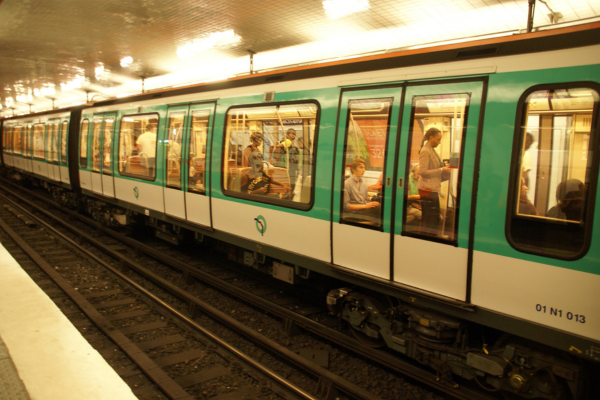
Maha Mumbai Metro has achieved its highest-ever single-day ridership, with 3,73,637 passengers travelling on the network. The latest milestone marks the sixth ridership record set within a span of 33 days, reflecting the growing preference for metro travel in the Mumbai Metropolitan Region. The network also reported that more than 72% of commuters used digital, paperless tickets, highlighting the increasing adoption of eco-friendly travel options. The achievement underlines the steady rise in metro usage as connectivity across the city continues to expand.Read more
27 Jul 2026
HCLTech has partnered with AI startup Sarvam and the Odisha government to establish its first AI data center at the upcoming Odisha Sovereign AI Park with a planned investment of INR 14,257 crore. The project is aimed at strengthening India's sovereign AI ecosystem and supporting the development of AI applications for government and enterprise use. Alongside the data center, HCLTech will also set up a Global Technology Center in Bhubaneswar, which is expected to employ around 5,000 people and begin operations by 2028, expanding the company's AI and digital engineering presence in India.Read more

27 Jul 2026
The Supreme Court has postponed the hearing on a plea filed by a group of homebuyers seeking refunds in connection with the Supertech Twin Towers matter. The petition relates to purchasers who have sought repayment following the demolition of the illegal towers in Noida and the subsequent legal proceedings involving affected stakeholders. The deferment means the matter will be considered at a later date, while homebuyers continue to await judicial clarity on their claims for refunds and related relief.Read more

27 Jul 2026
I Squared Capital and Japan Overseas Infrastructure Investment Corporation for Transport and Urban Development (JOIN) have entered into a partnership to jointly explore infrastructure opportunities outside Japan. The collaboration will focus on transportation and urban development projects across the Middle East, Asia Pacific and Europe. The agreement brings together I Squared Capital's global investment capabilities and JOIN's network across Japan's infrastructure sector. The development comes shortly after I Squared Capital signed another strategic agreement with Saudi Arabia's Public Investment Fund (PIF) to invest up to USD 2 billion in real estate and infrastructure assets in the Kingdom.Read more

Advertisement

27 Jul 2026
The Bangalore Development Authority (BDA) has introduced stricter norms governing modifications to sanctioned building plans after Occupancy Certificates (OCs) have been issued. The move is aimed at preventing unauthorised alterations that could affect the approved design, common areas and rights of apartment owners. By tightening the approval process, the authority seeks to improve regulatory compliance, strengthen urban planning oversight and provide greater protection to homebuyers in completed residential developments.Read more

27 Jul 2026
Central Railway is planning a 26-km emergency access road along the Karjat-Lonavala ghat section to strengthen disaster response during monsoon-related disruptions. The proposed road will allow rescue teams, maintenance staff and heavy equipment to reach affected locations more quickly, reducing delays in restoring train services. The initiative follows recent landslides that disrupted rail operations on the busy Mumbai-Pune corridor and highlighted the need for better access to remote sections of the ghat route.Read more

27 Jul 2026
Piramal Realty has launched Phase 2 of its premium integrated residential project, Piramal Vaikunth, in Balkum, Thane, with an estimated Gross Development Value (GDV) of around INR 4,700 crore. The company has introduced the first residential tower under the new phase, featuring 2 and 3-bedroom homes, while the total investment for Phase 2 is estimated at INR 3,600 crore. The expansion builds on the completed infrastructure and residential community developed during Phase 1 and comes as Balkum continues to gain traction due to multiple upcoming infrastructure and connectivity projects across the Mumbai Metropolitan Region.Read more

27 Jul 2026
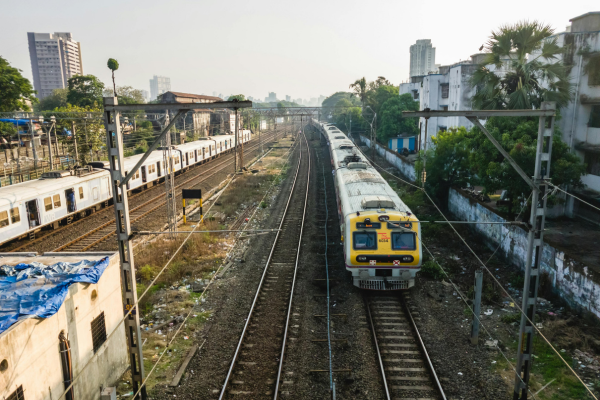
Indian Railways has approved the construction of a 14.52-km third railway line between Nimpura West Outer Cabin and Midnapur in West Bengal at an estimated cost of INR 440 crore. The project is intended to increase rail capacity on a heavily used section of the South Eastern Railway, enabling smoother movement of passenger and freight trains. The additional line is expected to improve operational efficiency, reduce congestion and strengthen rail connectivity while supporting future traffic growth across the region.Read more
27 Jul 2026
Kolkata's growth has been inseparable from the bridges that span the Hooghly River, connecting the city with Howrah and beyond. From the first permanent crossing at Vivekananda Setu to the iconic Howrah Bridge, the elegant Vidyasagar Setu and the modern Nivedita Setu, each structure was built to solve the challenges of its time. Together, these bridges transformed trade, transport and urban expansion, making them far more than engineering landmarks they became the backbone of one of India's oldest and busiest metropolitan regions.Read more

Advertisement

27 Jul 2026
Malaysia and Hong Kong have signed a new agreement to simplify dual initial public offering (IPO) listings and strengthen cooperation between their capital markets. The arrangement introduces a streamlined framework that allows companies to use a single set of submission documents for simultaneous listings in both markets. It also supports the mutual recognition and cross-listing of exchange-traded funds (ETFs) and real estate investment trusts (REITs), giving investors in both jurisdictions access to a wider range of investment products while encouraging greater regional capital market participation.Read more
27 Jul 2026
India has awarded 10,389 km of National High-Speed Corridors and Greenfield Expressways, of which 4,809 km have been completed while 5,580 km remain under construction, the Ministry of Road Transport and Highways informed Parliament. The government said project execution is being regularly monitored at the project, state and central levels to accelerate construction and address implementation bottlenecks. To expedite delivery, the Centre has introduced measures including digital land acquisition through the Bhoomi Rashi portal, faster environmental clearances via the revamped Parivesh portal and online approvals for railway overbridges and underbridges. Rajasthan has the highest completed corridor length at 1,192 km, while several states, including Bihar, Punjab and Andhra Pradesh, continue to witness significant construction activity.Read more
27 Jul 2026
The US has imposed a 10 per cent tariff on goods imported from India under a new trade measure linked to the enforcement of laws against forced labour. The revised tariff is lower than the 12.5 per cent initially proposed after India amended its foreign trade policy to prohibit the import of goods produced using forced labour. The move is part of a broader US action covering 60 economies. While India has opposed the investigation behind the tariffs, the reduced rate is being seen as an indication that trade discussions between the two countries continue to remain active.Read more
27 Jul 2026
The Supreme Court has intensified its scrutiny of enforcement measures against illegal constructions in Haryana, particularly in Gurugram, while reviewing the role of civic authorities in implementing court directions. The proceedings focus on whether municipal agencies have acted effectively against unauthorised structures and complied with earlier judicial orders. The case is expected to influence future enforcement practices, strengthen institutional accountability and reinforce the importance of regulatory compliance in urban planning and development.Read more

27 Jul 2026
SL Green Realty Corp. has signed a 10-year office lease spanning 98,420 square feet at 11 Madison Avenue in Manhattan with a leading artificial intelligence company. The transaction covers the building's entire 11th floor and reflects the continued demand for premium office space from AI and technology firms. The lease adds to SL Green's strong leasing activity this year, while reinforcing the growing presence of AI companies across its Madison Avenue office portfolio, including both 11 Madison Avenue and the neighbouring One Madison Avenue.Read more

Advertisement

27 Jul 2026
Gulshan Group has announced plans to invest around INR 1,000 crore in a new residential development at Wave City in Ghaziabad following the approval of the project's building plans by the Ghaziabad Development Authority. The development is expected to add premium housing inventory within the integrated township while incorporating sustainability, energy efficiency and modern urban infrastructure in line with the latest Uttar Pradesh building regulations. The investment reflects continued confidence in Ghaziabad's expanding residential market and the growing appeal of integrated township developments.Read more

27 Jul 2026
A proposal to award a INR 2,241-crore contract for a major underground tunnel project in Mumbai has been held up after members of a BMC civic committee sought additional scrutiny before granting approval. Corporators raised concerns over the tendering process, project costs and technical aspects of the contract, prompting the committee to defer its decision and seek further clarifications from civic officials. The proposed tunnel forms part of Mumbai's broader transport infrastructure programme aimed at reducing traffic congestion and improving east-west connectivity through grade-separated corridors.The delay could temporarily affect the project's implementation timeline, although the Brihanmumbai Municipal Corporation (BMC) has maintained that the tunnel remains a priority infrastructure initiative.Read more

27 Jul 2026
The Visakhapatnam Metropolitan Region Development Authority (VMRDA) has allocated INR 28 crore for infrastructure development in Vizianagaram and Nellimarla municipalities, with a focus on improving roads, parks, drainage and urban amenities.Key projects include the widening of the 1.45-km Seetham College–JNTU master plan road to 80 feet at an estimated cost of INR 7.2 crore, alongside civic infrastructure works across Vizianagaram municipality. Of the total allocation, INR 16 crore has been sanctioned for development works in Vizianagaram municipality, while INR 4 crore has been earmarked for Nellimarla. The authority has also committed additional funding after the completion of ongoing projects. The initiative forms part of VMRDA's broader strategy to strengthen urban infrastructure and support balanced regional development across its jurisdiction.Read more

27 Jul 2026
The Central government has eased foreign direct investment (FDI) norms by allowing foreign-funded e-commerce companies to operate an inventory-based model exclusively for exports. The move is aimed at boosting India's outbound shipments while ensuring that domestic retail businesses remain unaffected. According to the Global Trade Research Initiative (GTRI), the policy is expected to benefit large global e-commerce companies, including Amazon, and could signal a broader opening of India's online retail sector in the future. However, the think tank also cautioned that the decision could weaken India's negotiating position in future trade agreements.Read more

27 Jul 2026
Mahindra Lifespace Developers reported a strong financial performance for the first quarter of FY27, with consolidated net profit rising 67% year-on-year to INR 85.55 crore. The company also posted a sharp increase in total income, supported by robust residential sales and healthy profitability. The developer said it has started the financial year on a positive note, backed by sustained demand across its residential projects. Mahindra Lifespace continues to expand its presence with a sizeable residential portfolio across seven cities and integrated developments spanning more than 5,500 acres.Read more

Advertisement



Advertisement









