Advertisement








When should a housing society in Mumbai start considering re...
From GST on JDAs to SEBI’s REIT reclassification and the S...
Stay ahead in the world of real estate with our daily podcas...
Stay ahead in the world of real estate with our daily podcas...
Deputy Chief Minister Eknath Shinde announced that Mumbai's Metro Line 3, connecting Bandra Kurla Complex (BKC) to Worli, will commence operations within 100 days. Reviewed by Chief Minister Devendra Fadnavis, the INR 14,120 crore Aqua Line project spans 10 stations, enhancing connectivity between Mumbai's business district and suburbs. Expected to serve 1.3 million daily commuters, this development aligns with broader transport improvements, including the pod taxi system in BKC. Fadnavis emphasized operational acceleration, targeting 50 km of metro lines annually from next year. These initiatives aim to reduce congestion, support economic growth, and transform Mumbai into a global financial hub.
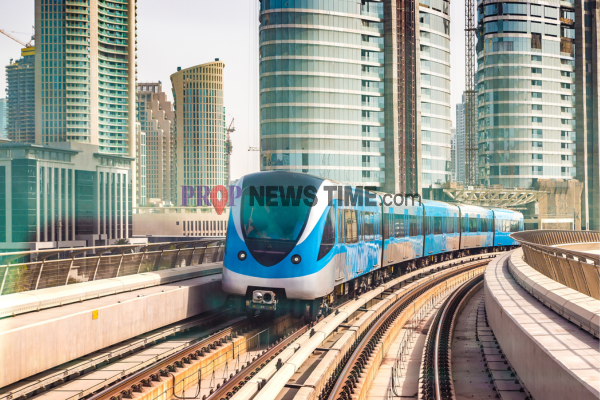
Deputy Chief Minister Eknath Shinde announced on Saturday that the much-anticipated Metro Line 3, connecting Bandra Kurla Complex (BKC) to Worli, is set to begin operations within the next 100 days. This announcement came during a review meeting led by Chief Minister Devendra Fadnavis, who emphasized the importance of timely completion of metro projects in the Mumbai Metropolitan Region Development Authority (MMRDA) area. Advertisement


During the meeting, CM Fadnavis instructed officials to develop a new schedule to ensure that at least 50 kilometers of metro lines are operational each year starting next year. This ambitious plan aims to address the growing traffic issues in Mumbai, a city already known for its congestion. Fadnavis highlighted that successful metro projects in other cities around the world often start operations without waiting for all infrastructure, such as car sheds, to be completed. This approach could accelerate the rollout of critical transit options for Mumbai residents.
The Metro Line 3 project, also known as the Aqua Line, consists of 10 stations, primarily underground, and spans from Navy Nagar in the south to the Aarey Depot in the north. With a budget of approximately INR 14,120 crore, this line is expected to significantly improve connectivity between Mumbai's central business district and its suburbs. Once fully operational, it is projected to serve around 1.3 million passengers daily, offering a much-needed alternative to the congested roadways.
In addition to the Metro Line 3, the MMRDA's pod taxi project was also reviewed. This innovative transport solution aims to ease congestion in the BKC area and is expected to complement the Thane-Borivali tunnel project. Together, these initiatives are part of a broader strategy to improve Mumbai's transport infrastructure and reduce traffic on major thoroughfares like the Eastern Express Highway.
As the state government pushes forward with these projects, Shinde reiterated the commitment to transform Mumbai into a fintech hub, aligning with Prime Minister Narendra Modi's vision for the city. This development is not just about transportation; it reflects a larger goal of enhancing Mumbai's status as a global financial center. The integration of efficient public transport systems is crucial for supporting economic growth and attracting businesses to the area.
The urgency of these projects cannot be overstated. With Mumbai's population continuing to grow, the demand for efficient public transport is at an all-time high. The Metro Line 3 and other related projects are critical steps toward alleviating the city's notorious traffic woes and improving the daily commute for millions of residents. As these initiatives progress, the focus will remain on ensuring timely execution and addressing the challenges that come with such large-scale infrastructure developments.
In conclusion, the upcoming launch of Metro Line 3 marks a significant milestone for Mumbai's transport network. With the promise of better connectivity, reduced travel times, and a commitment to ongoing infrastructure improvements, residents can look forward to a more accessible and efficient city. The state government's proactive approach in addressing transportation needs is a positive sign for the future of Mumbai, positioning it as a model for urban development in India.

5th Jun, 2025

25th May, 2023

11th May, 2023

27th Apr, 2023
Advertisement








 Facebook
 Whatsapp
