Advertisement








When should a housing society in Mumbai start considering re...
From GST on JDAs to SEBI’s REIT reclassification and the S...
Stay ahead in the world of real estate with our daily podcas...
Stay ahead in the world of real estate with our daily podcas...
The Meerut Metro, integrated into the Delhi-Meerut Regional Rapid Transit System (RRTS), is a transformative urban transit project in Uttar Pradesh, set to modernize public transportation in Meerut. Covering 37 km with 25 stations across two phases, it combines local metro services with seamless regional connectivity to Delhi and Ghaziabad via the 82.15-km RRTS corridor. The project aims to cut travel times, reduce congestion, and promote eco-friendly transit. With an estimated cost of INR 11,540 crore, it leverages shared infrastructure and advanced technology under the 'Make in India' initiative. Scheduled for completion by June 2025, the metro is expected to drive economic growth, urban development, and environmental sustainability.
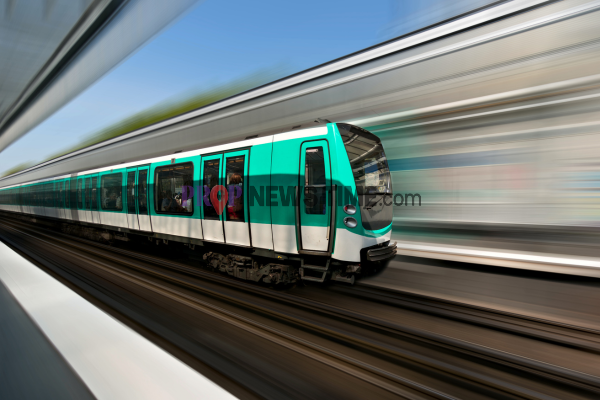
The Meerut Metro project, a visionary urban transit initiative in Uttar Pradesh, is set to revolutionize public transportation in Meerut by enhancing connectivity and reducing travel time. Initially proposed as a standalone metro system, it has since been integrated into the Delhi-Meerut Regional Rapid Transit System (RRTS). This innovative approach ensures that Meerut benefits not only from intra-city metro services but also from seamless regional connectivity to Delhi and Ghaziabad. Managed by the National Capital Region Transport Corporation (NCRTC), this project represents a crucial step in modernizing transit infrastructure in North India. Advertisement


The Meerut Metro project is being developed as part of the larger Delhi-Meerut RRTS, an 82.15-kilometre semi-high-speed rail corridor that will connect Sarai Kale Khan in Delhi to Modipuram in Meerut. The RRTS trains are designed to operate at a top speed of 180 km/h, significantly reducing travel time between Delhi and Meerut to under an hour. This corridor aims to alleviate traffic congestion, reduce pollution, and provide a reliable transit option for daily commuters.
Within Meerut, the metro system will cover a total of 37 kilometres, serving key areas through two phases of development. The metro lines will operate at lower speeds than the RRTS trains, providing efficient local transit within the city while maintaining integration with the regional network.
Phase 1 of the Meerut Metro stretches from Meerut South to Modipuram Depot, covering 23.60 kilometres and encompassing 13 stations. Its route incorporates both elevated and underground sections, with 14.80 kilometres of track situated above ground and 8.80 kilometres underground. Key stations in this phase include Meerut South, Partapur, Rithani, Shatabdi Nagar, Bhaisali, Begumpul, and Modipuram. By linking critical residential areas, bustling markets, and commercial zones, Phase 1 aims to streamline daily commutes and improve overall accessibility for the city's growing population.
Phase 2, extending from Shradhapuri Phase II to Jagriti Vihar, adds another 15 kilometres and 12 stations to the network. Similar to Phase 1, this segment features both elevated (10.70 kilometres) and underground (4.30 kilometres) track, ensuring comprehensive coverage and integration with existing infrastructure. By reaching densely populated neighborhoods and key educational centers, Phase 2 broadens the metro's reach and further solidifies its role as a vital component of Meerut's urban transit ecosystem.
The integration of the Meerut Metro with the Delhi-Meerut RRTS is a unique aspect of this project. The RRTS corridor will have three dedicated metro sections within Meerut, allowing passengers to travel seamlessly between the metro and regional rapid transit services. This integration ensures that commuters can use the same infrastructure for both local and regional travel, enhancing convenience and reducing travel times.
The RRTS corridor includes 17 stations in Meerut, with shared infrastructure at key points like Shatabdi Nagar, Bhaisali, and Begumpul. Passengers can board RRTS trains for rapid regional travel or switch to metro trains for local commuting. This dual-service approach maximizes the utility of the transit network and offers flexibility to commuters.
The total cost of the Meerut Metro project, including its integration with the RRTS, is estimated to be INR 11,540 crore. The funding is a mix of contributions from the Government of India, the Government of Uttar Pradesh, and loans from international financial institutions. The investment reflects the scale and ambition of the project, aimed at transforming Meerut into a well-connected, modern city.
The foundation stone for the Meerut Metro and the Delhi-Meerut RRTS was laid by Prime Minister Narendra Modi on March 8, 2019. Construction began in June 2019, and the project has made significant progress despite challenges posed by the COVID-19 pandemic. The priority section of the RRTS corridor, covering 17 kilometres from Sahibabad to Duhai Depot, became operational in October 2023.
The Meerut Metro is on track for completion by June 2025, with trials and testing already underway on several sections. The successful delivery of trains by Alstom (formerly Bombardier) under the 'Make in India' initiative has further boosted the project's momentum.
The Meerut Metro, combined with the Delhi-Meerut RRTS, is expected to transform how people commute within Meerut and beyond. The project aims to reduce travel times, ease road congestion, and provide a reliable alternative to private vehicles. By connecting Meerut to Delhi and Ghaziabad, the metro will facilitate economic growth, improve access to job opportunities, and support the development of the National Capital Region (NCR).
Moreover, the project promotes environmental sustainability by encouraging public transport use, reducing carbon emissions, and improving air quality. The development of metro stations and surrounding areas is likely to boost real estate values and stimulate commercial activity, further enhancing the city's infrastructure.

5th Jun, 2025

25th May, 2023

11th May, 2023

27th Apr, 2023
Advertisement








 Facebook
 Whatsapp
