Advertisement










Private equity has played a significant role in shaping Indi...
In today’s real estate landscape, fitness is often treated...
In this episode of Prop Personalities, we sit down with Hars...
Luxury real estate is one of the most talked-about segments ...
Welcome to Prop Personalities by Prop News Time - a podcast ...
The Nashik Metro Neo introduces an innovative, affordable, and eco-friendly transit model specifically designed for mid-sized cities. Combining elements of a metro and a bus rapid transit system, it uses rubber-tyred electric coaches running on dedicated corridors, significantly reducing construction costs and complexity. Spanning over 32.5 km across two main corridors and multiple feeder routes, the system will seamlessly connect key residential, commercial, and industrial areas. With operations expected by 2025, Nashik Metro Neo aims to ease traffic congestion, lower pollution, and spur economic growth. This pioneering approach promises a more sustainable, accessible, and efficient urban transportation solution for Nashik's residents.
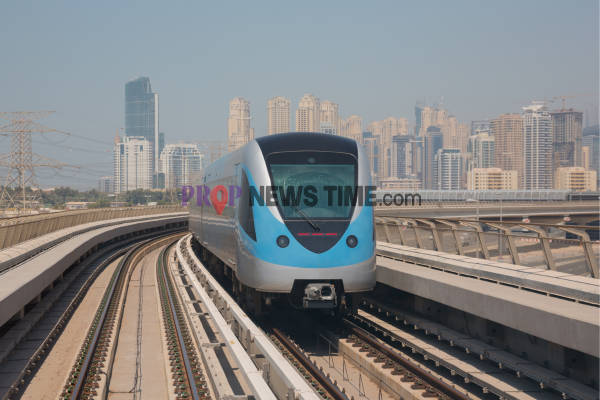
The Nashik Metro Neo is set to revolutionise urban mobility in Nashik, Maharashtra, by introducing an innovative and cost-effective transit system tailored to the needs of mid-sized cities. Unlike traditional metro systems, Nashik Metro Neo represents a new category of urban transit, combining the efficiency of metro rail with the flexibility of a bus rapid transit system. Managed by the Maharashtra Metro Rail Corporation Limited (Maha-Metro), this project is poised to significantly reduce traffic congestion, lower pollution levels, and improve the quality of life for Nashik's residents. Advertisement


The Nashik Metro Neo is India's first rubber-tyred electric coach system, designed specifically for cities with populations up to 2 million. This lightweight, energy-efficient, and environmentally friendly transit system aims to bridge the gap between conventional metro services and bus networks. The innovative design makes it more affordable and easier to construct compared to traditional metro systems, while still offering many of the same benefits.
The Nashik Metro Neo project will operate across two primary corridors: Corridor 1: This corridor covers 22.5 kilometres, stretching from Gangapur in the west to Nashik Road Railway Station in the east. It features 19 stations, including key locations like Satpur, CBS, and Dwarka Circle. This route connects the industrial zones of Satpur and Ambad with the central business district and the railway station, ensuring seamless travel for commuters. Corridor 2: Spanning 10 kilometres, this corridor connects Gangapur to Mumbai Naka, with 10 stations along the route. It will serve major residential areas and commercial hubs, improving connectivity to important city landmarks.
Additionally, the system will include two interchange stations at CBS and Gangapur Road, allowing passengers to switch between corridors easily. Feeder routes covering 24 kilometres are also planned to enhance last-mile connectivity, ensuring that more areas of the city are accessible.
Nashik Metro Neo represents a groundbreaking transit approach that combines flexibility, efficiency, and cost-effectiveness. Utilizing rubber-tyred electric coaches, each with a capacity of 300 passengers, the system travels on dedicated lanes guided by curb alignment for smooth and reliable operations. Power is supplied via a 600-750 V DC overhead electric (OHE) system on elevated sections, while on at-grade and feeder stretches, the coaches can run on battery power for up to 20 kilometres-an innovation that reduces the need for extensive infrastructure and accommodates diverse terrains. The environmentally conscious design ensures zero emissions, thereby diminishing the city's carbon footprint and including provisions for solar power generation at depots and stations.
Moreover, the Nashik Metro Neo is remarkably cost-effective, with an estimated total cost of INR 2,100.6 crore. This figure contrasts sharply with the expense of traditional metro systems, which can reach approximately INR 300 crore per kilometre. Such affordability makes Metro Neo an attractive solution for mid-sized cities, offering a balanced blend of sustainability, adaptability, and fiscal prudence.
The funding for the Nashik Metro Neo project is a collaborative effort between the Government of India, the Government of Maharashtra, and international financial institutions. The Asian Development Bank (ADB) has shown interest in supporting the project, recognizing its potential as a scalable solution for urban transit in mid-sized cities. The project's financial model ensures that it remains sustainable without placing undue financial burden on the local government.
The Detailed Project Report (DPR) for the Nashik Metro Neo was approved by the Maharashtra State Government in 2021 and submitted to the Central Government for final approval. The foundation stone was laid in March 2021. As of 2024, construction work is set to begin shortly, with the project expected to be completed and operational by 2025. Once completed, Nashik will become the first city in India to operate a Metro Neo system, setting a precedent for other mid-sized cities.
The introduction of Metro Neo in Nashik stands to deliver a broad spectrum of advantages, transforming the city's urban landscape both economically and environmentally. By providing a reliable public transportation alternative, it will help alleviate road congestion, reducing the number of private vehicles and ensuring smoother commutes for residents. This shift towards electric coaches will also yield substantial environmental gains, cutting down on both air and noise pollution, and thus creating a cleaner, healthier environment. Beyond these immediate improvements, Metro Neo is poised to stimulate economic growth by enhancing connectivity, attracting investments, and boosting property values in areas around the stations. Crucially, the fare structure will remain accessible to all segments of society, ensuring that the benefits of an efficient public transport system are shared widely, encouraging more people to embrace sustainable, cost-effective travel.
While the project promises significant benefits, it also faces challenges such as securing timely approvals, managing construction in densely populated areas, and ensuring last-mile connectivity. However, the innovative design and cost-effective nature of Metro Neo provide a blueprint for overcoming these challenges and delivering a successful transit solution.
The Nashik Metro Neo is not just a transportation project but a symbol of innovation, sustainability, and progress. By addressing the unique needs of mid-sized cities, it offers a scalable and replicable model for urban transit across India. As Nashik prepares to embrace this modern transit system, the city stands on the brink of a transformative change that will improve mobility, reduce pollution, and enhance the quality of life for its residents. This pioneering initiative is a testament to how thoughtful planning and innovative technology can reshape urban landscapes, making cities more livable and future-ready.

5th Jun, 2025

25th May, 2023

11th May, 2023

27th Apr, 2023
Advertisement





 Facebook
 Whatsapp
