Advertisement








When should a housing society in Mumbai start considering re...
From GST on JDAs to SEBI’s REIT reclassification and the S...
Stay ahead in the world of real estate with our daily podcas...
Stay ahead in the world of real estate with our daily podcas...
India's sustainable real estate is advancing through policies like the Smart Cities Mission, which has completed 6,419 projects worth INR 1.25 lakh crore. Initiatives such as ECBC, GRIHA, and LEED certifications are driving eco-friendly construction, with green-certified Grade A offices comprising 82% of new supply in 2023. Financial incentives, including GST exemptions and proposed tax benefits, aim to boost adoption. Challenges remain in smaller cities due to limited resources and awareness. However, with technology, renewable energy integration, and collaborative efforts, sustainable real estate is redefining urban growth, offering a resilient and eco-friendly future for India's cities.
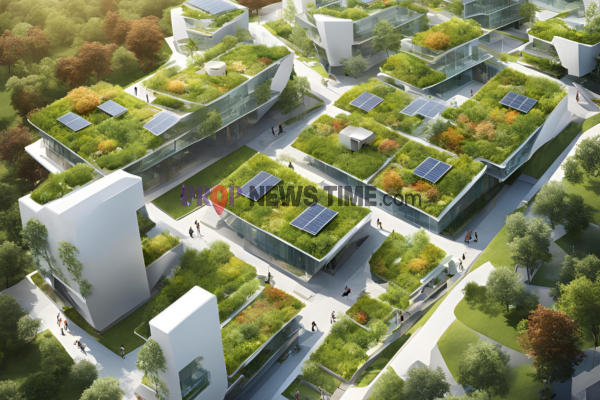
The advancement of sustainable real estate in India is underpinned by a policy framework and innovative practices aimed at promoting environmental sustainability. The Indian government has recognised the significance of sustainability in the real estate sector and has introduced regulations and initiatives to promote it. Certifications like Green Rating for Integrated Habitat Assessment (GRIHA) and Leadership in Energy and Environmental Design (LEED) encourage developers to adhere to sustainable building practices. Advertisement


The Energy Conservation Building Code (ECBC), launched by the Bureau of Energy Efficiency (BEE), sets energy efficiency standards for building design and construction. Buildings that comply with ECBC standards are termed as "ECBC Compliant Buildings," promoting energy conservation across the construction sector.
Financial incentives also play a pivotal role in promoting sustainable real estate. The market share of green buildings in India, though currently less than 10%, is steadily increasing, with a projected compound annual growth rate of around 20% between 2021 and 2026.
The Indian government has introduced several initiatives to promote sustainable real estate. The Smart Cities Mission, for instance, prioritises green infrastructure, while the Model Building Bye-Laws 2016 mandates energy efficiency and water conservation measures in urban projects.
India's real estate regulatory framework is progressively adapting to promote sustainability, with initiatives like the Smart Cities Mission and the Atal Mission for Rejuvenation and Urban Transformation (AMRUT) emphasising sustainable urban planning. Launched in 2015, the Smart Cities Mission aims to develop 100 smart cities across the country, focusing on sustainable and inclusive development. As of December 2023, the mission has made significant progress, with 6,419 projects worth INR 1,25,105 crore completed, and an additional 1,551 projects worth INR 45,295 crore at the work order stage.
Similarly, AMRUT focuses on providing basic urban infrastructure in 500 cities, covering approximately 60% of the urban population. The mission targets enhancing water supply, sewerage, urban transport, and green spaces. Despite these efforts, challenges persist, particularly in smaller cities where awareness and financial resources for green building practices are limited. The complexity of implementing sustainable practices in diverse urban settings often leads to slower adoption rates.
To incentivise sustainable development, the government has introduced measures such as Goods and Services Tax (GST) exemptions for affordable housing projects with green certifications. These incentives aim to reduce the financial burden on developers adopting eco-friendly practices. However, experts suggest that more comprehensive policy measures could further accelerate adoption. Proposed strategies include subsidised loans for green construction, tax benefits for renewable energy integration, and grants under schemes like the Pradhan Mantri Awas Yojana (PMAY) Urban. Such measures would make sustainable construction more financially viable and attractive to developers.
The real estate sector is also witnessing a significant shift towards sustainability, with 82% of new Grade A office supply as of September 2023 being green certified. This trend indicates a growing recognition of the value of sustainable buildings, both in terms of environmental impact and economic returns. The increasing adoption of renewable energy sources, particularly solar power, aligns with India's ambitious goals for a cleaner and more sustainable energy mix.
Despite these positive developments, the path to widespread sustainable real estate development in India requires continued policy support, increased financial incentives, and enhanced awareness, especially in smaller cities. A collaborative approach involving government bodies, developers, and financial institutions is essential to overcome existing challenges and promote sustainable urban growth across the nation.
Technology will also play a pivotal role. Emerging tools like Building Information Modeling (BIM) and Internet of Things (IoT) can optimise resource usage, track energy performance, and enhance occupant experiences.
The shift toward sustainable real estate is not just about cost savings or compliance-it is a moral imperative in the face of climate change. Urban areas, which account for 75% of global energy consumption and 80% of greenhouse gas emissions, have a significant role to play in combating environmental degradation.
India, as one of the fastest-growing economies, must lead by example. The choices made today in real estate development will determine the livability of cities for future generations. Sustainable practices ensure that growth does not come at the cost of environmental destruction or resource depletion.
Sustainable real estate is not just a necessity-it is an opportunity to redefine urban living in India. By integrating environmental stewardship with economic viability and social inclusivity, it offers a blueprint for resilient cities.
As awareness grows and innovations emerge, the Indian real estate sector has the potential to become a global leader in sustainability. The journey may be complex, but the rewards-reduced environmental impact, enhanced quality of life, and economic prosperity-make it a goal worth pursuing.
India's sustainable real estate movement is a testament to the power of visionary planning and collaborative action. With every green building that rises, the nation takes a step closer to a future where urbanisation and sustainability coexist harmoniously.

5th Jun, 2025

25th May, 2023

11th May, 2023

27th Apr, 2023
Advertisement








 Facebook
 Whatsapp
