Advertisement










When should a housing society in Mumbai start considering re...
From GST on JDAs to SEBI’s REIT reclassification and the S...
Stay ahead in the world of real estate with our daily podcas...
Stay ahead in the world of real estate with our daily podcas...
India's second home market is expanding in 2024, driven by lifestyle shifts, investment opportunities, and improved infrastructure. Post-COVID, buyers value open spaces, privacy, and flexible living, boosting demand for vacation homes in scenic areas like Goa, Uttarakhand, and Kerala. These homes serve as personal retreats and rental income generators, offering dual benefits. Economic resilience, regulatory reforms like RERA, and work-from-anywhere trends make second homes more attractive, especially near upcoming airports and highways.
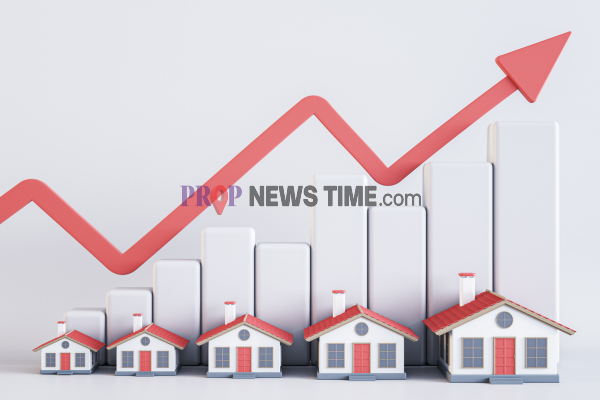
The second home market in India has evolved significantly, driven by a blend of lifestyle changes, investment incentives, and evolving preferences. Increasingly, affluent buyers and young professionals alike are considering secondary residences, both for personal enjoyment and financial diversification. This trend has gain momentum in 2024 as people look for properties that combine luxury with utility, such as vacation homes in scenic locations and investment properties that promise long-term appreciation. Advertisement


One key reason behind this growth is the shift in lifestyle priorities post-COVID-19. Many buyers now value open spaces, privacy, and flexible living arrangements, which second homes can provide. These properties, often located in tourist-friendly regions or emerging cities, offer a retreat from urban congestion and come with the potential for rental income when not in use. This approach has found particular resonance in scenic areas like Goa, the hill stations of Uttarakhand, and coastal regions in the Konkan and Kerala, where infrastructure developments and favorable regulations boost the allure for investors?.
Economic factors also support the trend. The luxury and ultra-luxury housing segments, where many second homes fall, are resilient to fluctuations in interest rates and inflation. Despite recent economic challenges, the Indian economy has shown signs of resilience, and real estate continues to be perceived as a stable investment. Second homes are not just lifestyle assets but are viewed by investors as a hedge against inflation, with the potential for solid returns from appreciation and short-term rentals. Areas near upcoming infrastructure projects, like new airports or highways, also attract buyers who anticipate rising property values in the near future?.
The Indian government has contributed to this trend by implementing policies that enhance transparency in real estate transactions. Regulations such as the Real Estate Regulatory Authority (RERA) have instilled confidence among investors, ensuring that second-home purchases are more secure and reliable. Digital advancements in the industry, including virtual tours, have made remote purchasing more feasible, further broadening the appeal of second-home investments to non-resident Indians (NRIs) and domestic buyers who may not live near their prospective properties?
Another driver of the second-home market is the shift towards work-from-anywhere models, which has made it more feasible for people to live in second homes for extended periods. For instance, many working professionals now spend part of the year in vacation destinations while continuing their careers remotely. This shift has expanded the concept of a second home from purely recreational to practical, allowing it to double as a work-from-home base.
Looking ahead, experts predict that the demand for second homes in India will remain strong as developers tailor offerings to this segment. Enhanced connectivity to tier-2 and tier-3 cities and attractive financing options have already made second homes more accessible. Developers are also focusing on sustainable and eco-friendly features in these properties, appealing to environmentally-conscious buyers. This trend aligns with a larger shift in consumer behavior, as many buyers now seek properties that offer green living spaces, whether through solar energy, rainwater harvesting, or waste management systems?
In conclusion, the second home market in India is poised for sustained growth in 2024 and beyond. With a mix of lifestyle appeal, investment stability, and regulatory support, second homes represent a multifaceted opportunity for buyers and developers alike. As India's real estate market becomes increasingly sophisticated, second homes are emerging as valuable assets that blend personal utility with financial potential, making them a popular choice for the country's upwardly mobile and forward-thinking buyers.
The views, opinions, and information expressed in this article are solely those of the author and do not necessarily reflect the views of Prop News Time. The content has not been independently verified or endorsed by Prop News Time. Readers are advised to exercise their own discretion and seek professional advice if required.

5th Jun, 2025

25th May, 2023

11th May, 2023

27th Apr, 2023
Advertisement








 Facebook
 Whatsapp
