Advertisement










When should a housing society in Mumbai start considering re...
From GST on JDAs to SEBI’s REIT reclassification and the S...
Stay ahead in the world of real estate with our daily podcas...
Stay ahead in the world of real estate with our daily podcas...
Dubai's post-pandemic recovery has been impressive, evidenced by significant investments and a rising population. With current figures at 3.8 million expected to grow to 5.8 million by 2040, the influx of expatriates seeking high-paying jobs is boosting the emirate's nearly USD 115 billion economy. However, this growth is straining infrastructure, driving up property prices and rents, and intensifying competition for school admissions. Experts predict continued expansion, with plans to enhance sustainability and livability through the 2040 urban master plan and Social Agenda 33.
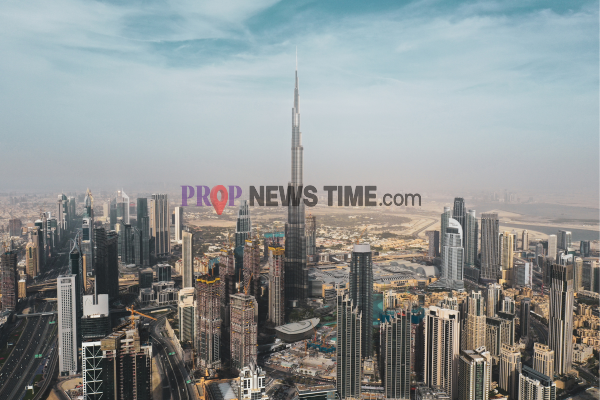
The extent of Dubai's post-pandemic recovery was evident late last month. On the same day that Africa's richest man announced plans to establish his family office, Santander Group became the latest firm to enhance its wealth management offerings in the emirate. Advertisement


While an influx of expatriates seeking high-paying jobs is bolstering the Middle Eastern business hub's nearly USD 115 billion economy, it is also revealing the limitations of Dubai's infrastructure. The city's current population stands at 3.8 million, with projections indicating a rise to 5.8 million by 2040. This increase would bring Dubai's population closer to that of Singapore and signal a significant rebound from the pandemic years. Since 2020, around 400,000 new residents have arrived, attracted by low taxes, safety, and proximity to major markets.
This growth has invigorated the economy, propelling Dubai's benchmark index to become one of the best global performers this year, primarily driven by state-backed entities such as Emirates NBD Bank PJSC, toll operator Salik, and Dubai Electricity and Water Authority. However, this expansion comes at a price. The influx of traders, lawyers, and bankers willing to pay premium prices is driving up property values and rents, while increasing competition for school placements. Although public transport options are limited and roads are frequently congested, Dubai still performs better than London, New York, and Riyadh in terms of time lost annually during rush hour, according to data from TomTom.
Monica Malik, the chief economist at Abu Dhabi Commercial Bank PJSC, anticipates that the pace of growth will persist throughout this decade. She noted that the city's lifestyle, ease of doing business, and favourable personal income tax environment are all factors supporting this ongoing expansion. There is an expectation of significant investment aimed at enhancing livability in the region. Dubai aspires to become one of the top three cities globally in terms of standard of living, as stated by a spokesperson. The 2040 urban master plan aims to make the city more sustainable, while Social Agenda 33, launched this year, focuses on improving education, healthcare, and social services.
Overall, As Dubai's economy flourishes, addressing the accompanying infrastructure challenges will be crucial for maintaining its appeal as a global business hub. The city's ambitious plans for sustainable development and improved living standards could mitigate these issues, ensuring it remains an attractive destination for expatriates. If managed effectively, Dubai can solidify its position among the world's leading cities while enhancing the quality of life for its residents.

5th Jun, 2025

25th May, 2023

11th May, 2023

27th Apr, 2023
Advertisement








 Facebook
 Whatsapp
