Advertisement








When should a housing society in Mumbai start considering re...
From GST on JDAs to SEBI’s REIT reclassification and the S...
Stay ahead in the world of real estate with our daily podcas...
Stay ahead in the world of real estate with our daily podcas...
Four key stations on India's first bullet train route between Mumbai and Ahmedabad-Virar, Thane, Sabarmati, and Surat-are set for transformation under the SMART development plan. This initiative will turn these stations into hubs of activity, improving connectivity and integrating with metro, bus, and taxi services to streamline commuter transitions. In alignment with Transit-Oriented Development (TOD) principles, the areas around each station will feature offices, hotels, and healthcare facilities within walking distance, fostering self-sustaining urban communities and economic growth. Supported by NHRCL, ministries, and JICA, this project aims to create accessible, vibrant spaces that enhance commuter experience and boost local economies.
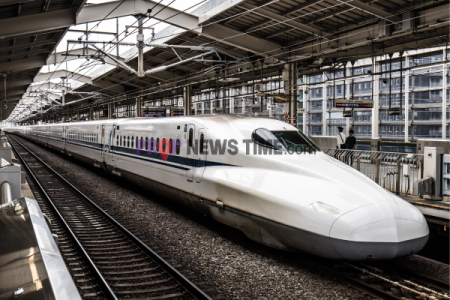
Four of the twelve stations on India's inaugural bullet train route, connecting Mumbai and Ahmedabad, have been selected for targeted development under the SMART (Station Area Development) plan. The stations-Virar and Thane in Maharashtra, as well as Sabarmati and Surat in Gujarat-will be transformed into activity hubs designed to enhance connectivity and provide modern amenities for both travellers and surrounding communities. Advertisement


As part of the SMART initiative, these stations will be integrated with metro, bus, and taxi services, allowing passengers to transition easily between different modes of transport. This integration is anticipated to reduce travel times, alleviate urban congestion, and decrease emissions by encouraging public transportation usage.
The focus on improved accessibility and convenience is central to the SMART development, making travel more seamless for commuters. To support economic growth around these stations, the project adheres to Transit-Oriented Development (TOD) principles. Under this framework, the areas surrounding each station will be developed with a diverse mix of land uses, including offices, hotels, educational institutions, and healthcare facilities, all within walking distance. The objective is to foster vibrant, self-sustaining urban ecosystems that promote local businesses, generate jobs, and enhance the regional economy.
The National High Speed Rail Corporation Limited (NHRCL) stated that the development aims to improve accessibility and convenience for commuters while promoting economic activities in the vicinity of the bullet train stations, in alignment with TOD policies.
This initiative is a collaborative effort involving the Union Ministry of Housing and Urban Affairs, the Ministry of Railways, and the state governments of Gujarat and Maharashtra, with technical assistance from Japan's International Cooperation Agency (JICA).
Initially, the focus will be on creating the necessary infrastructure to meet immediate commuter needs. The first phase of development includes establishing pickup and drop-off points, parking facilities, and passenger plazas around each station. Future developments will extend to areas within 500 metres of each station, necessitating adjustments to local planning, including revisions to city master plans, local policies, and infrastructure enhancements such as road widenings, according to officials.
Each station is designed to reflect its city's unique culture and identity, instilling a sense of pride and ownership in the nation's first high-speed rail system. Over the coming decade, the TOD project is expected to expand its influence up to 800 metres from each station, based on the broader urban vision of the city. These long-term plans will utilise high-speed rail connectivity as a catalyst for sustainable urban growth, ultimately creating liveable neighbourhoods surrounding each station.
In conclusion, the SMART initiative aims to create vibrant, self-sustaining urban ecosystems around bullet train stations. By prioritising convenient transport links and diverse land use, the project not only enhances commuter experience but also fosters local economies, ultimately contributing to sustainable urban development in the region.

5th Jun, 2025

25th May, 2023

11th May, 2023

27th Apr, 2023
Advertisement








 Facebook
 Whatsapp
