Advertisement








When should a housing society in Mumbai start considering re...
From GST on JDAs to SEBI’s REIT reclassification and the S...
Stay ahead in the world of real estate with our daily podcas...
Stay ahead in the world of real estate with our daily podcas...
The Indian government has approved the transfer of 256 acres of salt pan land in Mumbai to the Maharashtra government, advancing the Dharavi Redevelopment Project. This Union Cabinet decision supports the creation of rental housing for Dharavi's slum dwellers. The land, situated in Kanjurmarg, Wadala, and Mulund, will be leased for 99 years to facilitate the project. Aimed at improving living conditions for over one million residents, this initiative marks a crucial step in addressing Mumbai's urban housing challenges while ensuring transparency and accountability in its execution.
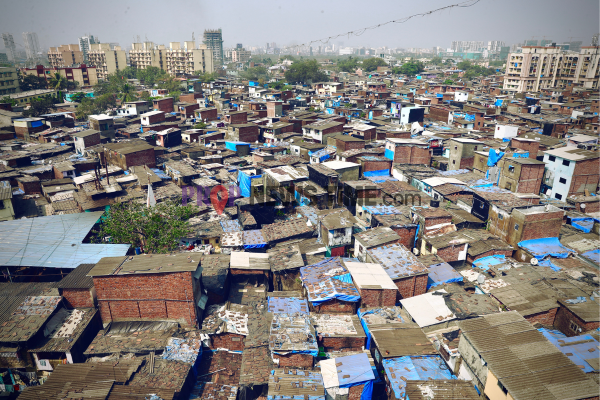
The Indian government has taken significant steps towards the implementation of the Dharavi Redevelopment Project by approving the transfer of 256 acres of salt pan land in Mumbai to the Maharashtra government. This decision, made by the Union Cabinet, aims to facilitate the creation of rental housing for slum dwellers currently living in Dharavi, one of Asia's largest slums. Advertisement


The transfer of land is not just a procedural formality; it plays a crucial role in addressing the challenges associated with urban housing in Mumbai. The Union Cabinet had previously received a request from the Shinde government, which sought a total of 283 acres to support the redevelopment effort. The Cabinet's decision, which allows the lease of these lands for 99 years, comes with guidelines stipulating that the Maharashtra government must sublease the property for the intended housing projects.
The salt pan lands involved in this transfer are situated in Kanjurmarg, Wadala, and Mulund and are under the control of the Salt Commissioner Organisation, a central government entity. This organisation has been responsible for managing these lands, which were previously used for salt production. The decision to earmark this land for redevelopment reflects a shift in policy focus towards utilising existing government properties to address urban housing needs.
The Maharashtra government has already identified several parcels of land that could be repurposed for this project. Notable sites include the defunct Arthur Salt Works Land (120.5 acres), Jenkins Salt Works Land (77 acres), Jamasp Salt Works Land (58.5 acres), and Suleman Shah Land (28 acres). These areas have been selected based on their long-expired leases and their potential for redevelopment, aiming to create quality housing opportunities for those who have been ineligible for the state's housing schemes.
As part of the Dharavi Redevelopment Project, it is expected that the state government will recover the market price of the land from the special purpose vehicle, Dharavi Redevelopment Project Private Limited (DRPPL). This financial mechanism is designed to ensure transparency and accountability in the redevelopment process, while also providing a steady revenue stream to support further development initiatives in the area.
The significance of the Dharavi Redevelopment Project extends beyond mere infrastructure. It presents an opportunity to improve the living conditions of thousands of families residing in overcrowded and unsanitary environments. With an estimated population exceeding one million in Dharavi, the project aims to provide basic amenities such as water supply, waste management, and sanitation facilities-all essential elements for a better quality of life.
Critics of the project have raised concerns about the potential displacement of existing residents and the preservation of the community's cultural identity. The government's challenge lies in balancing redevelopment efforts with the need to respect the lives and history of the people who have lived in Dharavi for generations. Engaging local stakeholders and ensuring their voices are heard throughout the planning and implementation stages will be vital to the project's success.
In conclusion, the approval of the land transfer marks a crucial step toward advancing the Dharavi Redevelopment Project. By transforming underutilised land into essential housing, the Maharashtra government seeks to tackle the ongoing housing crisis affecting many low-income families in Mumbai. This initiative not only aims to provide safety and stability for slum dwellers but also embodies a broader vision for the future of urban development in India. As the project progresses, it will be important to monitor its implementation closely to ensure it meets the needs of the community while fostering sustainable urban growth.

5th Jun, 2025

25th May, 2023

11th May, 2023

27th Apr, 2023
Advertisement








 Facebook
 Whatsapp
