Advertisement










When should a housing society in Mumbai start considering re...
From GST on JDAs to SEBI’s REIT reclassification and the S...
Stay ahead in the world of real estate with our daily podcas...
Stay ahead in the world of real estate with our daily podcas...
According to Knight Frank's "Destination Qatar" report, GCC nationals and expatriates are set to spend $538 million on Qatar's residential market, with 65% planning to buy property within five years and 28% targeting 2024. Regulatory changes allowing 99-year leasehold ownership for foreigners have boosted the market's appeal. The report highlights preferences for homes priced up to $1 million, particularly among younger GCC nationals and UAE investors. Branded residences are also gaining popularity. Qatar's real estate market is becoming a prime investment hub within the GCC, driven by stable demand, rising property values, and attractive policy reforms.
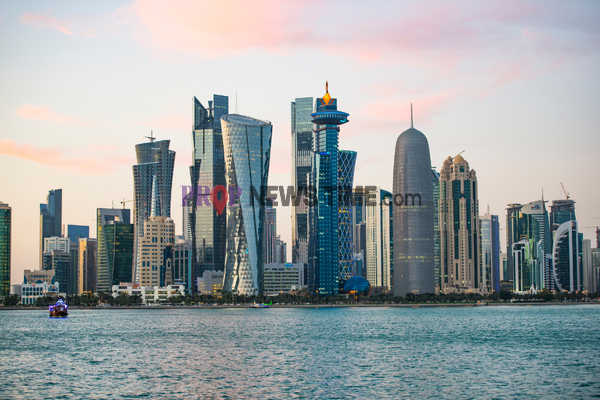
GCC nationals and expatriates are set to spend $538 million on Qatar?s residential market, according to Knight Frank?s Destination Qatar report. The survey revealed strong interest, with 65% planning to buy property in the next five years and 28% aiming to make a purchase in 2024. Qatar?s recent regulatory changes, which allow foreigners to have 99-year leasehold ownership, have boosted the market's appeal. The study shows a preference for homes priced up to $1 million, with younger GCC nationals and UAE investors showing the highest budgets. Branded residences are also popular among potential buyers. Advertisement


According to the Knight Frank report, this potential influx of $538 million in private capital represents a considerable share of the Qatari residential market. In comparison, the total value of residential sales in Qatar during the first half of 2024 stood at $907 million. The scale of interest from regional buyers and investors signals that Qatar is rapidly becoming a preferred market for real estate within the GCC, as the country continues to open up to external investment.
Despite a relatively subdued housing market over the past year, driven by a combination of rising supply and other market dynamics, residential property demand in Qatar has remained stable. This consistency has caught the attention of GCC nationals and expatriates alike, with 65% of survey respondents indicating an intention to purchase residential property in Qatar within the next five years. Moreover, a significant portion?28%?plans to make a purchase as soon as 2024. This rising demand is indicative of Qatar's growing appeal as a prime real estate market within the GCC region.
Historically, Qatar?s residential sector was dominated by Qatari buyers, but the landscape began to shift in 2002 when GCC nationals were granted access to purchase properties. In 2018, the country further relaxed its property laws, allowing international buyers the right to 99-year leasehold ownership, which has opened the market even more to foreign investors. This liberalisation of property ownership laws has undoubtedly contributed to the rise in interest from both GCC nationals and expatriate communities.
The last five years have seen a steady increase in home ownership among Qatar?s expatriate population, with property values appreciating by an average of 4.5% between 2018 and the first half of 2024. The stable growth of the market has encouraged many to view Qatar as a lucrative and reliable place for real estate investments. Among those surveyed, 69% of GCC nationals and expatriates expressed a willingness to spend up to $1 million on acquiring residential property in Qatar, while only 7% were prepared to invest more than $4 million.
When broken down by demographics, younger GCC nationals between the ages of 25 and 34 appear particularly eager to enter Qatar?s property market, with 55% indicating a budget of between $500,000 and $1 million for a home. In contrast, GCC-based expatriates are generally more conservative in their budgets, with a significant portion?34% of those aged 25-34 and 41% of those aged 45-54?unwilling to allocate more than $500,000 for a property purchase.
The report further highlights variations across nationalities. Among Emirati buyers, 47% are prepared to invest between $500,000 and $1 million, while 28% of Saudi nationals prefer to limit their spending to under $500,000. Interestingly, UAE nationals have the highest potential budgets for property purchases in Qatar, with an average spending limit of $1.4 million. This contrasts with the average budget of $1.3 million for GCC nationals aged 25-34 and the lower $630,000 average for GCC-based expatriates aged 45-54.
Another trend uncovered by the report is the growing popularity of branded residences, which emerged as one of the top choices for potential investors among both GCC nationals and expatriates. These luxury properties, often associated with high-end hotel brands, offer a blend of prestigious living and investment appeal, making them an attractive option for those looking to combine lifestyle and real estate investment.
The strong interest from GCC nationals and expatriates comes at a time when Qatar is positioning itself as a major player in the regional real estate market. Its strategic location, coupled with recent policy reforms and ongoing infrastructure development, has helped solidify its reputation as a viable investment destination. As the market continues to mature, Qatar is poised to attract more investors, further boosting its real estate sector.
In conclusion, Knight Frank?s report underscores the growing appetite among GCC nationals and expatriates for Qatar?s residential market. With a significant pool of private capital ready to be invested and a favourable regulatory environment, the future of Qatar?s real estate sector looks promising. As demand continues to rise, the market is likely to see further growth, particularly as more buyers from across the region set their sights on this emerging property hub.

5th Jun, 2025

25th May, 2023

11th May, 2023

27th Apr, 2023
Advertisement








 Facebook
 Whatsapp
