Advertisement






Follow us on Instagram, Facebook, YouTube, X, Spotify, Amazon Music, Apple Music and more.
What really powers the cloud? Behind every Google search, A...
A lot of what defines a home isn’t visible at handover. I...
Private equity has played a significant role in shaping Indi...
Luxury real estate is one of the most talked-about segments ...
Airports play a much bigger role than just enabling travel -...
21 minutes ago
• Pune Police have registered a case against a city-based builder over allegations of cheating more than 150 flat and shop buyers.
• Complainants claim the project remained incomplete despite substantial payments made over several years.
• The alleged fraud amount is estimated at nearly INR 50 crore, raising concerns over homebuyer protection and project delays.
• Buyers have accused the developer of failing to deliver possession while continuing to make assurances regarding project completion.Read more

51 minutes ago
China Evergrande’s liquidators have sought a judicial review of a HKD 1 billion (USD 127.67 million) settlement reached between Hong Kong’s Securities and Futures Commission (SFC) and PricewaterhouseCoopers (PwC) Hong Kong over the auditor’s work for the collapsed developer. The liquidators argue that the regulator did not have the legal authority to resolve a market misconduct claim against a non-regulated entity in the manner adopted. They also contend that compensating shareholders through the settlement could reduce funds available for creditors, adding another layer to the ongoing efforts to recover assets from one of China’s largest corporate collapses.Read more

1 hour ago
The Maharashtra Housing and Area Development Authority (MHADA) has entered into a partnership with the MahaTennis Foundation to develop a world-class tennis facility in Andheri, Mumbai. The project, planned on approximately two acres of MHADA-owned land, aims to strengthen sports infrastructure in the city and promote tennis training and development for emerging players. The initiative, formalised through a memorandum of understanding, is expected to upgrade existing recreational land into a structured sporting hub, supported through public-private collaboration and financial backing for infrastructure development.Read more

1 hour ago
Brookfield, Singapore’s sovereign wealth fund GIC and Canadian institutional investor British Columbia Investment Management Corporation (BCI) have collectively divested a 7.27% unitholding in Altius Telecom Infrastructure Trust (Altius InvIT) through open market transactions worth approximately INR 3,656 crore. The sale involved more than 22.15 crore units and was executed on Tuesday at prices ranging between INR 165 and INR 165.05 per unit. Infrastructure major Larsen & Toubro emerged as a key buyer, acquiring a 1.25% stake for nearly INR 628 crore. The transaction marks a significant secondary market trade in India’s telecom infrastructure investment trust sector. Altius InvIT owns a portfolio of more than 2.57 lakh telecom sites supporting technologies from 2G and 5G to Internet of Things, small cells and emerging AI-driven applications.Read more

2 hours ago
• The Bombay High Court is hearing fresh proceedings related to land reserved for burial grounds in Thane, following allegations of encroachment and non-compliance with earlier judicial directions.
• Petitioners have claimed that portions of land earmarked for Christian burial grounds continue to face unauthorised occupation despite previous court orders protecting the reservation.
• A contempt plea has also been filed against civic authorities, alleging failure to implement directions concerning the disputed land.
• The case has renewed focus on the protection of reserved public utility lands and the responsibilities of local authorities in enforcing planning regulations.Read more

Advertisement

2 hours ago
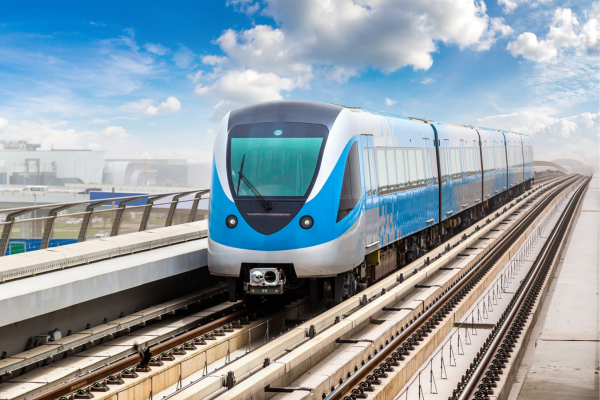
Indore Metro is likely to commence operations on its expanded 17-km priority corridor on June 21, subject to final state government approval. The extension adds an 11-km stretch between Super Corridor and Radisson Square, nearly tripling the operational network from 6 km. The route will connect major residential, commercial and transport hubs, including Vijay Nagar, ISBT and MR-10. The corridor has received safety clearance from the Commissioner of Metro Rail Safety, paving the way for wider metro connectivity across the city.Read more
3 hours ago
Bajaj Finance has accepted bids worth INR 1,390 crore through the reissue of its September 2028 bonds, according to market participants. The non-banking financial company offered a yield of 7.80% on the issue and conducted the fundraising through a commitment bidding process on June 17. The bonds carry a remaining maturity of approximately two years and three months and have been assigned a AAA rating by Crisil. The fundraising reflects continued access to debt capital markets by highly rated non-banking financial companies amid steady investor demand for high-grade corporate debt instruments.Read more

3 hours ago
Cochin International Airport Ltd (CIAL) is considering a compensation mechanism for homeowners whose properties have reportedly been damaged by low-flying aircraft approaching Kochi airport. The move follows recent incidents in areas along flight paths, including a case in which a house sustained roof damage and its owner was injured. Airport authorities are examining the possibility of providing assistance through CSR funds while reviewing complaints from affected residents, bringing renewed focus to the impact of airport operations on neighbouring communities.Read more

4 hours ago
The Dharavi Redevelopment Project (DRP) has introduced digital twin technology to support resident verification and eligibility assessments under the Mumbai redevelopment programme. The system creates a virtual model of Dharavi’s built environment, enabling authorities to map structures, verify occupancy records and cross-check resident information more accurately. Officials said the technology is intended to improve transparency, reduce discrepancies and streamline the rehabilitation process. The initiative forms part of ongoing surveys and eligibility verification exercises across Dharavi.Read more

5 hours ago
The Supreme Court has cleared the way for the Brihanmumbai Municipal Corporation (BMC) to consider Reliance Industries’ master plan for the 130-acre public open space created under Mumbai’s Coastal Road South project. The court recorded Reliance’s undertaking that ticketed attractions would be limited to 15% of the reclaimed land, while 85% would remain freely accessible. The waterfront is planned to include promenades, parks, gardens, cycle tracks and recreational spaces, with commercial and residential development remaining prohibited.Read more

Advertisement

6 hours ago
Mumbai’s water reserves have fallen to 10.7% of total storage capacity, prompting the Brihanmumbai Municipal Corporation (BMC) to review whether stricter water conservation measures are needed. The assessment comes after a 10% water supply cut was imposed across Mumbai and neighbouring areas due to declining reservoir levels. With the city dependent on seven lakes for drinking water, officials are evaluating current stocks, consumption trends and contingency measures to ensure adequate supply until monsoon inflows improve reservoir levels.Read more
18 Jun 2026
Mumbai has imposed fresh water conservation measures after reservoir storage levels dropped to 10.35% of total capacity following the city's driest June in more than a decade. The Brihanmumbai Municipal Corporation (BMC) has temporarily disconnected water supply to construction sites and suspended new water connections for such projects from June 17. Water supply to industrial and commercial establishments, as well as sports clubs, has also been reduced by 20%, adding to an earlier 10% cut implemented in May. The restrictions come as Maharashtra recorded rainfall approximately 75% below normal during the first half of June. With the city's seven reservoirs holding enough water for only around 40 days, concerns have emerged over long-term water security and the impact of delayed monsoon rains on urban infrastructure and development activity.Read more

18 Jun 2026
Siemens Ltd has secured a supply order from Titagarh Rail Systems to provide advanced propulsion systems and Train Control and Monitoring Systems (TCMS) for the Pune Metro Rail project extension. The contract covers the design, manufacture, supply and warranty of traction converters, auxiliary converters, traction motors and TCMS for 12 trainsets. While the financial value of the order was not disclosed, the collaboration is expected to support localisation and strengthen India's urban mobility manufacturing ecosystem.Read more

Advertisement






18 Jun 2026
• HomeLane is planning an IPO within the next 12 to 24 months as it focuses on profitability, expansion and growth in India's organised home interiors market.
• The company aims to use IPO proceeds to enter new cities and expand into categories such as kitchen appliances and soft furnishings.
• HomeLane reported a 22% rise in FY25 revenue to INR 7.56 billion, while its net loss narrowed to INR 1.11 billion.
• The company is targeting revenue of around INR 10 billion this fiscal and nearly INR 30 billion by FY31.
• Growing demand for home interiors, urbanisation and technology adoption are creating opportunities for organised interior design companies across India.Read more

18 Jun 2026
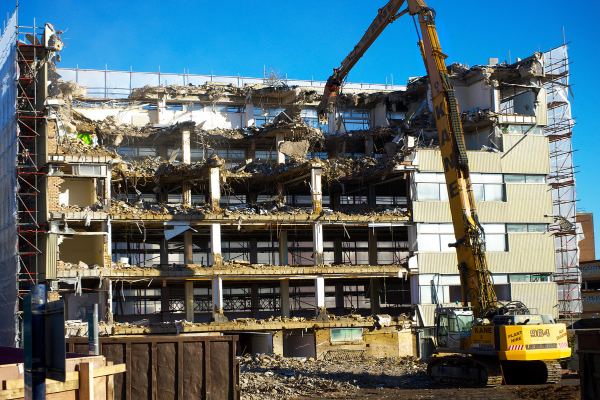
The Municipal Corporation of Delhi (MCD) has intensified enforcement action against unauthorised constructions across the capital, demolishing 217 properties and sealing 237 establishments since the beginning of June. The crackdown follows the fatal Malviya Nagar hotel fire that triggered heightened scrutiny of building safety, land-use violations and unauthorised development. During the same period, authorities issued 330 show-cause notices for illegal construction, 151 sealing notices and 91 demolition orders. Parallel inspections conducted by the Revenue Department covered 773 properties across Delhi between June 5 and June 15. The drive spans residential, commercial and mixed-use properties, with authorities examining compliance with building regulations, fire safety requirements and land-use norms. Officials have indicated that enforcement measures will continue across all districts as part of a wider effort to curb unauthorised construction and improve public safety.Read more
Advertisement

18 Jun 2026
Harmony Infra Ventures will invest around INR 800 crore to develop a luxury residential project, The Horizon Residences, in Indirapuram, Ghaziabad. The company has acquired a 100% stake in the land-owning entity for the development, which will comprise 264 premium apartments. Homes are being offered at around INR 15,000 per sq ft, with apartment prices ranging from INR 6 crore to INR 7.5 crore. The project is scheduled for completion in 2030 and is expected to generate revenue of approximately INR 1,600 crore. Around 100 units have already been sold. The launch comes amid continued demand for residential properties in Delhi-NCR, where housing sales rose 11% year-on-year during the January-March quarter, according to PropTiger.Read more

18 Jun 2026
Marwest Apartment Real Estate Investment Trust has announced a 2.1% increase in its monthly cash distribution policy, reflecting a higher payout for unitholders. The revised distribution has been set at USD 0.001455 per unit and will take effect from June 2026. The move marks an increase from the trust’s previous distribution level and signals continued cash returns to investors. Real estate investment trusts typically review distribution policies based on portfolio performance, cash flows and market conditions. The latest revision forms part of Marwest Apartment REIT’s ongoing distribution framework for its unitholders.Read more

18 Jun 2026
Two Adani Group-operated airports in India have been included in the Prix Versailles World’s Most Beautiful Airports List 2026, highlighting growing international recognition of the country’s aviation infrastructure and design standards. Navi Mumbai International Airport’s Terminal 1 and Terminal 2 at Lokapriya Gopinath Bordoloi International Airport, Guwahati, were selected among seven airports worldwide recognised for architectural excellence, sustainability, cultural identity and passenger experience. The annual Prix Versailles awards, presented at UNESCO headquarters in Paris, celebrate outstanding architectural achievements globally. The recognition places the two Indian airport projects alongside airports in Guangzhou, Frankfurt, Kandal Stueng, Pittsburgh and San Diego. Three facilities from the shortlist will later receive global awards for architecture, interior design or exterior design.Read more

18 Jun 2026
Delhivery has launched a nationwide network of more than 1,000 dedicated rest facilities, branded as ‘Vishram’, for delivery associates across nearly 600 cities and towns in India. The initiative is aimed at improving the welfare of gig workers and delivery personnel by providing access to essential amenities such as seating areas, drinking water, washrooms, charging points and first-aid facilities. Open to delivery workers across platforms and sectors, the programme seeks to address the lack of roadside infrastructure available to delivery personnel while establishing a broader benchmark for workforce welfare within India’s rapidly growing logistics, e-commerce and quick-commerce industries.Read more

18 Jun 2026
The Enforcement Directorate (ED) has conducted searches at 17 locations across Mumbai, Khandala and New Delhi as part of a money laundering investigation linked to alleged irregularities in a corporate insolvency resolution process involving loans originally sanctioned by Yes Bank. The action covered premises associated with Suraksha Asset Reconstruction Company Ltd (SARCL), Suraksha Realty Ltd, Khyati Realtors Pvt Ltd, their promoters, directors, employees and a former Yes Bank employee. Investigators are examining the assignment of loans granted during FY2016-17 and FY2017-18, including facilities extended to Mackstar Marketing Pvt Ltd. The probe focuses on allegations of collusion in the acquisition of stressed assets, undervaluation of assets, questionable creditor claims and voting practices during insolvency proceedings, alongside concerns regarding transparency in the resolution process.Read more

Advertisement

18 Jun 2026
China’s banking sector reported a weaker-than-expected recovery in lending activity in May, reflecting continued pressure from the country’s prolonged property market downturn and subdued domestic demand. New yuan loans rebounded from a contraction recorded in April but remained below market expectations. Household borrowing, including mortgages, stayed under pressure despite some improvement, while corporate lending strengthened. The latest figures indicate that businesses and consumers remain cautious amid a challenging economic environment. Analysts believe weak credit demand, rather than a shortage of available funds, continues to be the main factor limiting loan growth across the economy.Read more

18 Jun 2026
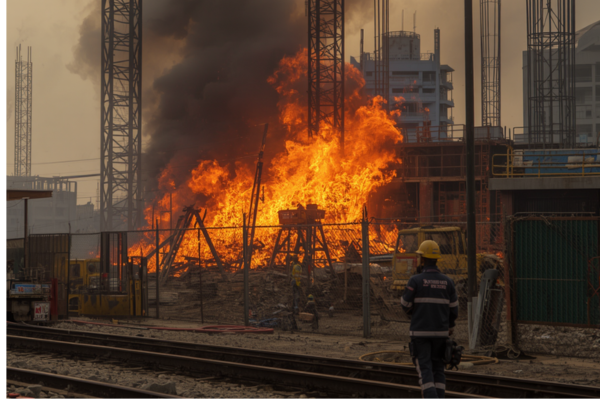
A fire broke out at the under-construction Mumbai Metro Line 2B site near Bandra Reclamation flyover, prompting the Mumbai Metropolitan Region Development Authority (MMRDA) to initiate a safety probe into the incident. Officials confirmed that no structural damage was reported to the metro viaduct and no injuries occurred, although the blaze led to temporary disruption in the area. The incident occurred near a key elevated section of the Metro 2B corridor connecting Bandra East and West, where construction activity is ongoing as part of Mumbai’s expanding metro network.Read more
18 Jun 2026
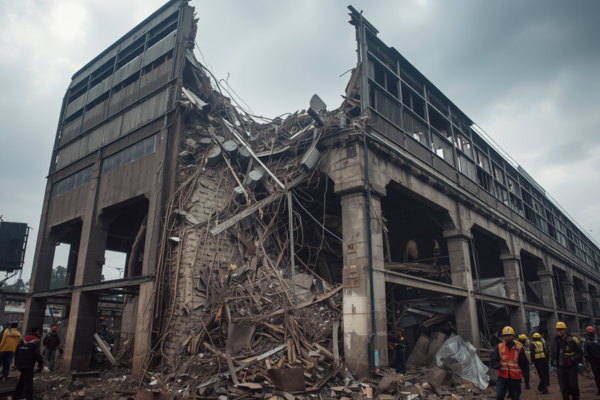
• A slab collapse at Mumbai’s Shivajinagar BEST bus depot triggered renewed concerns over the structural condition of ageing transport infrastructure across the city.
• Around 25 depot employees narrowly escaped injury after noticing warning signs and evacuating the affected area shortly before the collapse.
• Preliminary accounts suggest visible cracks and signs of structural distress had appeared before the incident, prompting questions about maintenance and inspection practices.
• The collapse has intensified calls for comprehensive structural audits and accelerated repair programmes across older BEST facilities.Read more
18 Jun 2026
• SEBI has proposed restoring the stock exchange route for share buybacks after discontinuing the mechanism in April 2025.
• The proposal follows changes in the tax treatment of buybacks, which the regulator believes have addressed concerns that led to the route's withdrawal.
• Industry bodies and market participants have sought the return of open-market buybacks, citing benefits such as improved liquidity, efficient capital deployment and greater flexibility for listed companies.
• SEBI has invited public feedback on the proposal before deciding whether to formally reinstate the mechanism.Read more

18 Jun 2026
Actor Kalki Koechlin has sold a 1,230 sq ft apartment in Andheri West, Mumbai, for INR 2.55 crore, according to property registration documents reviewed by real estate data platforms. The transaction reflects continued activity in Mumbai's western suburban housing market, where average residential prices in Andheri West have risen by about 6.8 per cent year-on-year to around INR 29,000 per sq ft. The apartment forms part of a residential development in one of the city's established residential and commercial micro-markets.Read more

Advertisement

18 Jun 2026
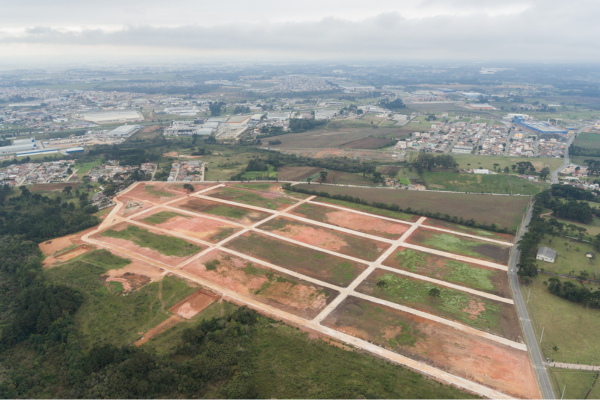
Puravankara Ltd has acquired a 9.73-acre land parcel at Sanna Ammanikere in North Bengaluru to develop a residential project with an estimated revenue potential of INR 800 crore. The outright acquisition offers a development potential of around 0.89 million sq ft and forms part of the company's strategy to strengthen its presence in Bengaluru, one of its key residential markets. While the company did not disclose the acquisition cost or the identity of the seller, it stated that the project would add to its expanding development pipeline. As of March 31, 2026, Puravankara had completed 95 projects covering 57 million sq ft across nine Indian cities, while its total land bank stood at 40 million sq ft and ongoing developments spanned 36.69 million sq ft.Read more
18 Jun 2026
New Zealand's housing market recorded a modest increase in home prices in May, even as sales activity slowed across the country. Data from the Real Estate Institute of New Zealand (REINZ) showed that median house prices rose on a monthly and annual basis, indicating continued resilience in property values. However, elevated living costs, including higher fuel expenses, continued to affect buyer sentiment. Sales volumes declined both month-on-month and year-on-year as households remained careful with spending decisions. Political uncertainty ahead of the country's national election later this year also contributed to a more measured approach among homebuyers.Read more

18 Jun 2026
The Adani Group and US-based electronic components manufacturer Jabil Incorporated have announced a strategic alliance to establish a vertically integrated artificial intelligence and data centre infrastructure manufacturing platform in India. The partnership aims to create multi-gigawatt manufacturing capacity for AI racks, servers, storage and networking systems, targeting a global market opportunity estimated at more than USD 3 trillion over the next seven years. The venture will combine Jabil's manufacturing expertise with Adani's infrastructure and green energy capabilities to serve both domestic and international markets while supporting India's expanding digital infrastructure ecosystem.Read more

18 Jun 2026
• Andhra Pradesh has signed an MoU with global logistics company Aramex to strengthen export capabilities for the state’s micro, small and medium enterprises (MSMEs).
• The partnership aims to improve international market access by providing logistics support, supply chain solutions and export facilitation services to local businesses.
• The initiative aligns with the state government’s broader strategy to enhance exports, attract investment and integrate local manufacturers with global trade networks.
• Officials expect the collaboration to help MSMEs overcome logistical barriers and improve their competitiveness in overseas markets.Read more

18 Jun 2026
Jammu and Kashmir Police have intensified action against property owners who failed to comply with mandatory tenant verification rules in Jammu. In a recent enforcement drive, several landlords were booked and FIRs were registered for not submitting tenant details or completing police verification before renting out their properties. The crackdown was carried out under district-level security directions aimed at improving monitoring of tenants, domestic helpers, and paying guests. Authorities stated that non-compliance weakens security systems and have urged all property owners to strictly follow verification procedures to avoid legal consequences.Read more

Advertisement

18 Jun 2026
Australia's GPT Group has announced a major retail property transaction through its GPT Wholesale Shopping Centre Fund, agreeing to acquire stakes in two large shopping centres from a Lendlease-managed retail property fund. The deal, valued at approximately AUD 1.2 billion (USD 849.12 million), includes a 50% interest in Sunshine Plaza in Queensland and a 50% interest in Macarthur Square in New South Wales. The acquisitions are being completed in line with independent valuations and reflect continued investor interest in high-quality retail assets despite evolving consumer and retail market dynamics.Read more

18 Jun 2026
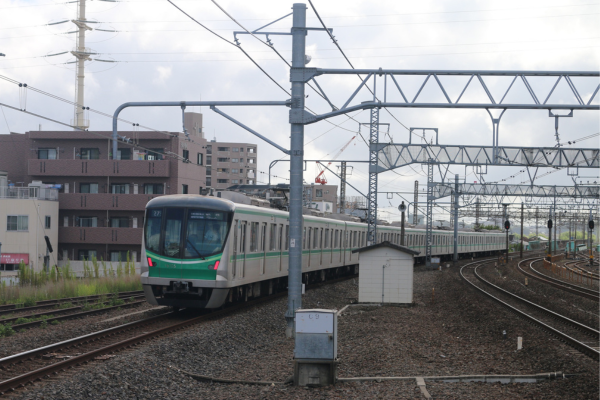
K2 Infragen has received a Letter of Acceptance worth INR 158.58 crore, including GST, from Konkan Railway Corporation for railway electrification and traction system upgradation works. The order involves design, supply, erection, testing, and commissioning to upgrade the electric traction system from 1 x 25 kV to 2 x 25 kV across key railway sections under North Western Railway. The project spans over 403 route km and 497.65 track km and is scheduled for completion within 24 months. The development strengthens the company’s presence in railway electrification infrastructure projects.Read more
18 Jun 2026
• The Supreme Court has agreed to examine a plea seeking stronger protection for homebuyers under subvention-based housing schemes.
• The petition argues that financial liability should be shared between developers and lenders in case of project delays or non-delivery of flats.
• It seeks a structured mechanism to protect buyers from loan repayment burdens when possession is not given.
• The plea also demands clearer regulatory controls on fund disbursal linked to construction progress.
• Notices have been issued to the Centre and other stakeholders for their responses.Read more

18 Jun 2026
• Villagers from Jewar who gave land for Noida International Airport boarded the inaugural passenger flight this week.
• Around 170 farmers, including nearly 20 women, participated in the first commercial journey from Jewar to Lucknow.
• Most passengers were first-time flyers and were specially invited as part of the launch event.
• The flight marked the start of operations at the new airport, developed on land acquired from local residents.
• Passengers were also expected to meet Uttar Pradesh Chief Minister Yogi Adityanath in Lucknow.Read more

18 Jun 2026
Mumbai’s sea-facing housing landscape is undergoing a structural shift driven by major infrastructure additions such as the Coastal Road, Mumbai Trans Harbour Link (Atal Setu), and the proposed Versova-Bandra Sea Link. These projects are gradually dissolving long-standing geographic constraints, bringing new coastal pockets into residential consideration and expanding the idea of waterfront living beyond traditional luxury zones. While South Mumbai’s ultra-prime belt continues to operate on scarcity-led demand and legacy value, emerging corridors are introducing relatively accessible entry points for sea or creek-facing homes. In 2026, the pricing gap between established luxury neighbourhoods and new coastal micro-markets is widening significantly, with emerging locations offering entry levels that are nearly one-tenth to half of prime South Mumbai rates.Read more

Advertisement

18 Jun 2026
The Enforcement Directorate has attached assets worth around INR 503 crore in its ongoing money-laundering investigation against Raheja Developers. The action is linked to allegations of fraud involving homebuyers and suspected diversion of funds collected from multiple housing projects. Earlier attachments in the same case had already taken the total value of seized properties beyond INR 1,100 crore. With the latest move, the cumulative value of attached assets in the case has risen to nearly INR 1,617 crore, involving the company, its promoter Navin M Raheja, and associated family members.Read more

18 Jun 2026
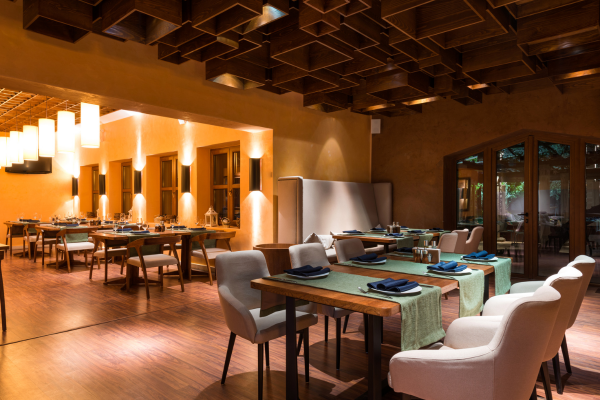
Raheja Universal has introduced Horizon, a private rooftop restobar for residents at its Raheja Imperia-I project in Worli, Mumbai. Located on the 60th floor, the 20,500 sq ft amenity forms part of the project's lifestyle offering and is operated by Aufside Hospitality LLP. The developer said the facility is part of its strategy to enhance resident experience through hospitality-led amenities, alongside other features including an infinity sky pool, open-air theatre and sky deck.Read more
18 Jun 2026
• The Delhi High Court has restrained authorities from carrying out demolition in the Race Course slum cluster until July 1, 2026.
• The order offers temporary relief to residents who have not accepted rehabilitation or alternative housing.
• The court clarified that those who have already taken relocation benefits cannot claim the original jhuggi sites again.
• The case is linked to ongoing disputes over eviction, rehabilitation eligibility, and in-situ resettlement near a high-security zone.
• The matter continues to be under judicial review with broader policy implications on urban clearance drives.Read more

18 Jun 2026
TDI Infratech Ltd has announced an investment of around INR 75 crore to develop a 53-key luxury hotel in Panipat, Haryana, as part of its mixed-use project, TDI Connaught Estate. The company has partnered with Wyndham Hotels & Resorts to manage the property, which will operate under the Ramada by Wyndham brand and is expected to open in the second quarter of 2028. The project aims to strengthen the hospitality offering within the larger mixed-use development.Read more

18 Jun 2026
Meghalaya is moving ahead with a major highway development plan involving six national highway projects worth INR 3,214 crore. The programme includes four new highway projects and upgradation of two existing corridors aimed at improving intra-state connectivity and reducing travel time across key routes. The foundation stones for these projects are expected to be laid during the North East India Infrastructure Summit & Exhibition. The initiative is part of wider infrastructure development efforts to strengthen regional mobility, trade movement, and connectivity across Meghalaya and adjoining areas.Read more

Advertisement

18 Jun 2026
The Lucknow Development Authority (LDA) has opened online registrations for more than 3,100 residential plots under its upcoming Varun Vihar and Naimish Nagar housing schemes in Lucknow. The launch marks a significant step in the authority's urban expansion programme, with around 2,100 plots being offered in the first phase of Varun Vihar and over 1,000 plots under Naimish Nagar. The schemes form part of LDA's larger plan to create new residential townships supported by modern infrastructure, green spaces and mixed-use development across key growth corridors of the city.Read more

18 Jun 2026
Property developer Lendlease has begun the process of appointing a new external auditor as regulatory scrutiny intensifies around KPMG Australia. The move follows an investigation by Australia's corporate regulator into three KPMG partners linked to whistleblower allegations. The allegations claim confidential board documents from Lendlease were used in bids for major audit contracts involving other listed companies. While KPMG remains Lendlease's auditor, the company has outlined a phased transition plan that would allow a newly appointed audit firm to take over responsibilities from fiscal 2028, ensuring continuity and minimal disruption.Read more

18 Jun 2026
• Karnataka government has indicated renewed focus on expediting the long-pending Bairakuppe bridge project over the Kabani river.
• The project aims to improve interstate connectivity between Kerala’s Wayanad district and Karnataka’s Kodagu region.
• The Chief Minister has assured that the proposal will soon be placed before the state Cabinet for further approval and processing.
• Kerala officials have already completed key approach road works, while delays on the Karnataka side have slowed progress.
• The bridge is expected to support travel, healthcare access, education, and regional trade once completed.Read more

18 Jun 2026
The Gujarat government has launched the Viksit Gujarat Industrial Policy-2026, a five-year roadmap aimed at attracting investments worth INR 10 lakh crore and strengthening the state's manufacturing ecosystem. The policy offers incentives ranging from 15 per cent to 50 per cent across sectors, introduces a "Choose Your Incentive" framework, and focuses on advanced manufacturing, innovation, start-ups, sustainability and MSMEs. It also identifies 21 high-growth sectors and seeks to support Gujarat's long-term goal of becoming a USD 3.5 trillion economy by 2047.Read more

18 Jun 2026
The Karnataka government issued a final notification on 13 June 2026 for the acquisition of 516 acres of agricultural land in Bidadi, Ramanagara district, for the proposed Greater Bengaluru Integrated Township — envisioned as India's first AI-powered city and estimated at INR 18,133 crore. The move, pushed through despite sustained opposition from farming communities in Byramangala and Kanchugaranahalli panchayats, has drawn sharp political condemnation from Union Minister and JD(S) president H.D. Kumaraswamy, who announced a legal challenge and called on Chief Minister D.K. Shivakumar to visit the affected villages personally.Read more

Advertisement

18 Jun 2026
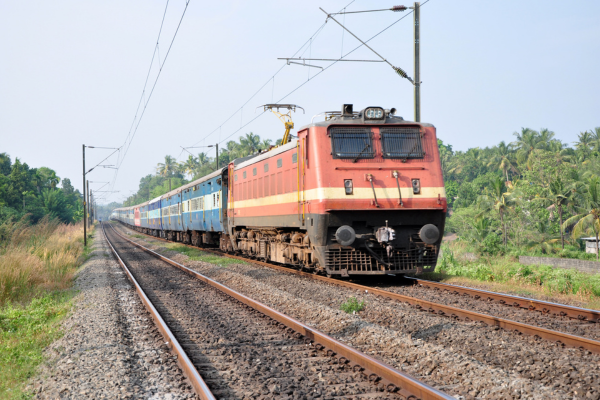
• Southern Railway introduced 42 new train services during FY 2025-26, including new Amrit Bharat Express and MEMU trains across Tamil Nadu, Kerala and Karnataka.
• New long-distance Amrit Bharat trains improved connectivity between southern India and key destinations in eastern and northern India, including New Jalpaiguri and Dhanbad.
• The railway zone expanded commuter connectivity through new MEMU services connecting Salem, Erode, Palakkad, Pollachi, Kollam and Ernakulam.
• Several train services were extended, frequencies increased and additional stoppages introduced to improve passenger accessibility across the network.
• Southern Railway reported originating revenue of INR 13,777.60 crore during FY 2025-26, surpassing its annual target and registering year-on-year growth.Read more
18 Jun 2026
• Mumbai’s redevelopment pipeline is projected to unlock nearly 59,000 new homes with an estimated market value of INR 1.5 lakh crore by 2031, according to a recent industry assessment.
• Society redevelopment has emerged as a major growth driver, with more than 1,000 housing societies currently undergoing redevelopment across the city.
• Suburban locations such as Borivali, Andheri, Bandra and Ghatkopar are leading activity as ageing housing stock and rising land constraints accelerate redevelopment demand.
• Policy reforms, improved approval mechanisms and strong housing demand are expected to support the next phase of redevelopment-led urban renewal.Read more

18 Jun 2026
The Airports Authority of India (AAI) has defended the planned runway maintenance at Srinagar International Airport, stating that the work is essential to ensure aviation safety and maintain operational efficiency. The maintenance programme, proposed by the Indian Air Force, will involve periodic runway closures and a temporary complete shutdown later this year. The move has triggered concerns among tourism operators, trade bodies and businesses in Kashmir over its impact on travel and economic activity. However, authorities have maintained that the repairs are critical and cannot be delayed further due to safety and infrastructure requirements.Read more
18 Jun 2026
• The Telangana High Court has cautioned against unauthorized constructions being brought before courts for protection after violations occur.
• The court indicated that petitioners seeking relief in such cases could face substantial monetary penalties.
• The observations reinforce the importance of complying with building regulations rather than relying on post-construction legal remedies.
• The stance is expected to strengthen urban planning enforcement and discourage illegal development activities.Read more

18 Jun 2026
• Ranchi's Birsa Munda Airport reported a net profit of INR 87.56 crore in FY 2025-26, its highest profit in recent years.
• Passenger traffic reached around 27 lakh during the fiscal, highlighting growing air travel demand in Jharkhand.
• The airport has witnessed steady profit growth over the past three years, supported by higher passenger volumes and operational improvements.
• Infrastructure upgrades, including a new ATC tower, apron expansion and improved navigation systems, have strengthened airport capacity.
• The growth reflects Ranchi's rising importance as a regional aviation hub and supports broader economic and tourism activity in the state.Read more

Advertisement



Advertisement









