Advertisement










Private equity has played a significant role in shaping Indi...
In today’s real estate landscape, fitness is often treated...
In this episode of Prop Personalities, we sit down with Hars...
Luxury real estate is one of the most talked-about segments ...
Welcome to Prop Personalities by Prop News Time - a podcast ...
Indian airlines have launched more than 12 special flights to Saudi Arabia and the UAE to bring back passengers stranded due to the ongoing Middle East conflict. Carriers including IndiGo, Air India, Air India Express and SpiceJet operated repatriation services and additional flights to key cities such as Jeddah, Dubai, Muscat and Fujairah. Gulf airlines Emirates and Etihad also ran limited relief operations while suspending regular services. Over 250 flights were cancelled at major Indian airports, reflecting the scale of disruption caused by regional airspace closures.
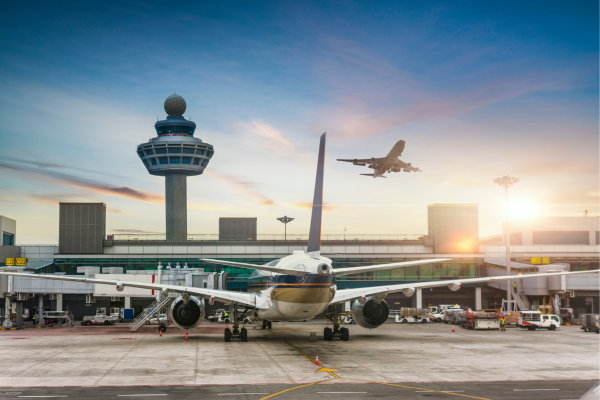
Indian airlines, including IndiGo, Air India, Air India Express and SpiceJet, operated more than 12 special flights to cities in Saudi Arabia and the UAE to bring back passengers stranded due to the escalating Middle East conflict. Advertisement


In addition to these services, some special flights to the Middle East are scheduled to operate on March 4 as part of ongoing evacuation and restoration efforts.
Providing relief to hundreds of affected travellers, Air India Express resumed its services to Muscat in Oman earlier this week. IndiGo is set to restart its services to Muscat as well as Jeddah and Madinah in Saudi Arabia on March 4.
Air India operated two special relief flights to Jeddah and Dubai using wide-body aircraft earlier this week. The airline is also scheduled to operate another special flight to Dubai from Mumbai on March 4.
On the same day, Air India Express operated three special services on the Dubai-Bengaluru, Abu Dhabi-Delhi and Sharjah-Mumbai routes, in addition to its regular operations to Muscat.
In a statement, Air India Express said it would continue operating its scheduled flights to and from Muscat on March 4. Alongside regular services connecting Delhi, Kochi, Kozhikode, Mangaluru, Mumbai and Tiruchirappalli, the airline stated that it would operate additional flights to Delhi, Kochi and Mumbai to manage passenger demand.
IndiGo confirmed that it operated four repatriation flights to Jeddah and was planning another service to Muscat later in the day.
SpiceJet operated one flight each from Fujairah in the UAE to Delhi, Mumbai and Kochi earlier this week. The airline added that it would operate one service each from Fujairah to Delhi and Mumbai on March 4.
Regional carrier Star Air operated two repatriation flights from Fujairah to Mumbai, according to sources.
Among Gulf carriers, Emirates operated at least one flight from Dubai to Delhi and another from Dubai to Mumbai. The airline said in a post on X that all scheduled flights to and from Dubai would remain suspended until 2359 hours UAE time on March 4 due to regional airspace closures. It added that a limited number of passenger repatriation and freighter flights were operating on March 3 and March 4.
Similarly, Etihad Airways stated that all its scheduled commercial flights to and from Abu Dhabi would remain suspended until 1400 UAE time on March 5. The airline said that some repositioning, cargo and repatriation flights might operate in coordination with UAE authorities, subject to operational and safety approvals.
The disruption had a significant impact on domestic operations as well. More than 250 flights were cancelled at Delhi, Mumbai, Bengaluru and Chennai airports earlier this week due to the Middle East conflict and related airspace restrictions, officials confirmed.
The current situation has once again highlighted the vulnerability of international air connectivity to geopolitical tensions. Indian carriers had earlier operated similar evacuation and relief missions during previous regional crises, adjusting schedules and deploying additional aircraft to manage stranded passenger volumes.
Source PTI
FAQ
1. Why are Indian airlines operating special flights to the Middle East?
Indian carriers launched special and repatriation flights due to airspace closures and disruptions caused by the ongoing Middle East conflict. The restrictions led to suspension of several regular services, leaving many passengers stranded. To manage the situation, airlines deployed additional aircraft and scheduled relief flights to key Gulf destinations.
2. Which Indian airlines operated these special services?
Major Indian carriers including IndiGo, Air India, Air India Express and SpiceJet operated more than 12 special flights. Regional carrier Star Air also conducted repatriation services from Fujairah to Mumbai.
3. Which international destinations were covered under the relief operations?
The special flights connected major cities in Saudi Arabia and the UAE, including Jeddah, Madinah, Dubai, Abu Dhabi, Sharjah and Fujairah. Services to Muscat in Oman were also resumed or scheduled as part of the evacuation and restoration efforts.
4. What steps did Gulf airlines take during the disruption?
Gulf carriers such as Emirates and Etihad Airways suspended regular commercial operations temporarily due to regional airspace closures. However, both airlines operated a limited number of repatriation, cargo and repositioning flights in coordination with authorities to assist affected passengers.
5. How extensive was the flight disruption in India?
The impact was significant across major Indian airports. More than 250 flights were cancelled at Delhi, Mumbai, Bengaluru and Chennai airports earlier this week. Westbound international routes were particularly affected as airlines adjusted schedules to comply with safety and airspace restrictions.
6. Are regular services expected to resume soon?
Airlines have indicated that operations will gradually resume once airspace restrictions are lifted and safety approvals are in place. Some carriers have already restarted limited services and scheduled additional flights to clear passenger backlogs. Travellers have been advised to check directly with their airlines for updated schedules before travelling.

5th Jun, 2025

25th May, 2023

11th May, 2023

27th Apr, 2023
Advertisement





 Facebook
 Whatsapp
