Advertisement






Follow us on Instagram, Facebook, YouTube, X, Spotify, Amazon Music, Apple Music and more.
What really powers the cloud? Behind every Google search, A...
A lot of what defines a home isn’t visible at handover. I...
Private equity has played a significant role in shaping Indi...
Luxury real estate is one of the most talked-about segments ...
Airports play a much bigger role than just enabling travel -...
16 minutes ago
• Pending home sales in the US rose for the third consecutive month in April, supported by a brief dip in mortgage rates.
• The National Association of Realtors reported a 1.4% monthly increase, which was higher than economists’ expectations of 1.0%.
• Regional trends were mixed, with strong gains in the Northeast and Midwest, while the South saw a decline.
• Despite the rise, overall housing demand remains weak due to high borrowing costs and tight housing supply.
• Economists expect subdued market activity to continue as affordability pressures and elevated mortgage rates persist.Read more

1 hour ago
• Ladakh administration has granted industry status to registered hotels and guest houses, effective from June 1, 2026.
• Hospitality units will now get industrial electricity and water tariffs instead of higher commercial rates.
• The decision will benefit over 1,250 hotels and guest houses across Leh and Kargil.
• Hotels and guest houses will also become eligible for subsidies, concessional loans and property tax exemptions.
• The move is expected to support tourism infrastructure, improve business viability and encourage investment in Ladakh’s hospitality sector.Read more

3 hours ago
• Domicil, the German furniture brand owned by HTL International, is expanding its wellness-focused seating portfolio in India through its Zero Gravity recliner collection.
• The recliner range has been designed around ergonomic and wellness-oriented seating concepts, including a recline angle intended to reduce spinal pressure and improve comfort during extended use.
• The company said growing consumer interest in comfort-led living and wellness-oriented home interiors is driving increased demand for recliner seating solutions across Indian households.
• The collection includes recliner sofas and single-seater formats equipped with touch-button controls, charging ports and integrated utility features aimed at modern residential layouts.
• Industry executives stated that recliners are increasingly being positioned as everyday lifestyle furniture rather than occasional luxury additions within residential interiors.Read more

4 hours ago
James Hardie Industries reported a decline in its annual performance, with profit falling 8% for the year ended March 31. The company posted an adjusted net income of USD 595.7 million, compared to USD 644.3 million in the previous year. The result also came slightly below market expectations of USD 597.7 million. The fibre cement major cited adverse weather conditions that disrupted construction activity across key regions, along with ongoing inflation and affordability pressures that continued to weigh on housing demand. The overall environment remained challenging for residential construction-linked materials.Read more

5 hours ago
Uttar Pradesh Real Estate Regulatory Authority has directed banks and developers to ensure that homebuyers’ funds deposited in mandatory RERA escrow accounts are not used for assured return or guaranteed income schemes. The regulator said several developers were diverting project funds towards financial commitments unrelated to construction, affecting execution timelines and buyer interests. UP RERA stated that escrow funds can only be utilised for construction and land costs under the Real Estate (Regulation and Development) Act, and asked banks to strengthen monitoring and compliance with revised fund utilisation norms.Read more

Advertisement

6 hours ago
Dubai Holding Asset Management has started construction work on its Lantana Hills residential development and awarded the AED 680 million construction contract to Group AMANA. The announcement was made through the Dubai Media Office. The project is part of the company’s premium community development plans in Dubai as demand for high-end housing continues to grow across the emirate. Dubai’s residential market has remained active over the past few years, supported by population growth, strong investor interest, and large-scale infrastructure expansion. Developers across the city have continued to launch new residential communities to meet rising demand in both luxury and mid-segment housing markets.Read more

6 hours ago
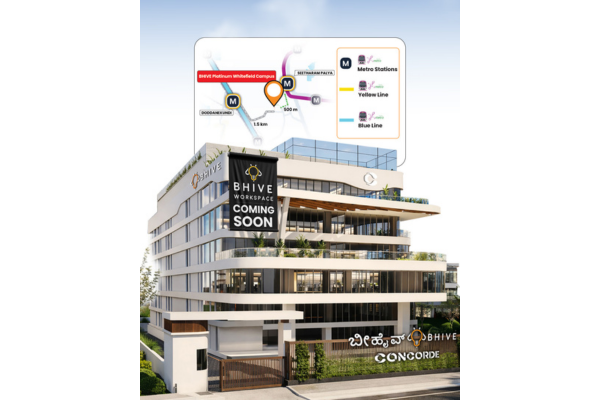
BHIVE Workspace has expanded its presence in Bengaluru’s Whitefield office market through a new managed workspace campus at Concorde Econex, located along the ORR–Whitefield corridor. The company stated that the upcoming campus will accommodate more than 3,000 seats and is being developed as a premium “BHIVE Platinum” facility with an investment exceeding INR 30 crore. The project, developed in partnership with Concorde, reflects rising demand for flexible and experience-led office spaces across Bengaluru’s eastern commercial corridor. The campus will offer multiple workspace formats, lifestyle-focused amenities, collaborative infrastructure and public-facing recreational facilities as flexible workspace operators continue expanding within key Grade A office micro-markets.Read more
7 hours ago
SoftTech Engineers Limited has launched a Single Window Approval System aimed at streamlining approvals for electric vehicle infrastructure and wayside amenities along national highways under the National Highway Electric Vehicle (NHEV) initiative. The digital platform is designed to integrate approvals related to land allocation, lease processing, design clearances, construction permits and operational authorisations within a unified ecosystem. According to the company, the system has been developed to support the government’s Ease of Doing Business objectives while accelerating deployment of EV charging infrastructure across highway corridors. The platform will cater to policymakers, developers, investors and service providers through centralised workflows, real-time project tracking and digitised compliance management.Read more

8 hours ago
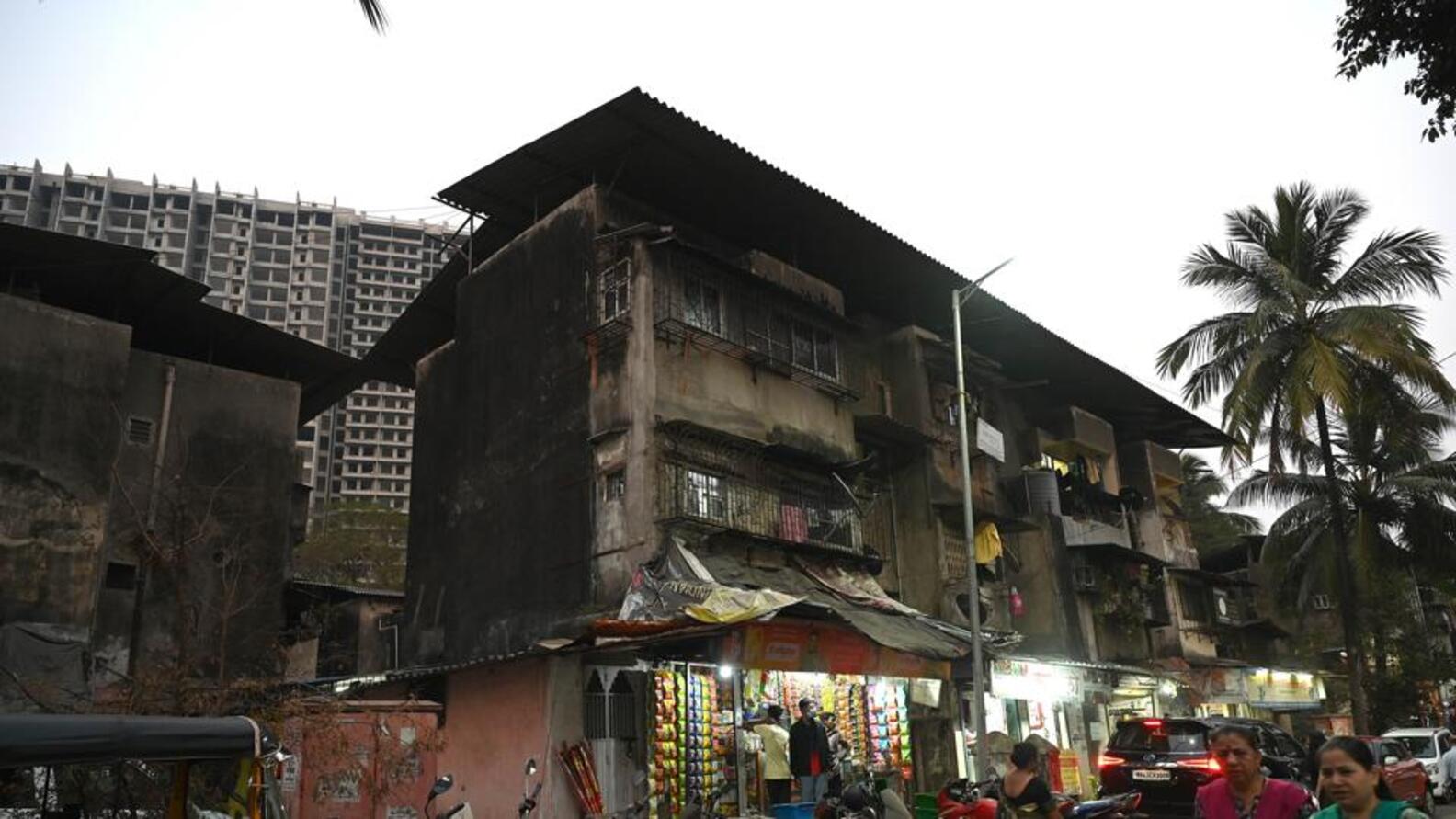
The Navi Mumbai Municipal Corporation has identified 504 dangerous buildings across its jurisdiction for 2026-27 following a department-wise structural survey conducted under Section 264 of the Maharashtra Municipal Corporation Act. Of these, 52 buildings have been classified under the highly dangerous C-1 category requiring immediate evacuation and demolition. The civic body has warned residents against continuing residential or commercial use of unsafe structures, especially during the monsoon season, citing risks to life and property. The complete list has been made available on the corporation’s official website along with category-wise details and occupancy status.Read more
8 hours ago
IndiFrame has secured a mandate to supply window and door systems for the Midtown residential project in Nalasopara West being developed by Innovision Estates. The G+20 development marks IndiFrame’s entry into the Nalasopara micro-market and includes the supply of sliding windows, casement windows and ventilator systems using uPVC technology. The company stated that the project reflects increasing demand from developers for organised and execution-focused building material partners in residential construction. Midtown is positioned as a large-format residential development in Mumbai’s suburban belt, where infrastructure growth and housing demand are continuing to drive new project launches and urban expansion.Read more

Advertisement

9 hours ago
Kiku Sharda has received possession of an apartment at Skyz by Danube, a residential development by Danube Properties located in Arjan, Dubai. The fully furnished residential tower forms part of Dubai’s expanding mid-premium housing market and offers lifestyle-focused amenities targeted at both investors and end-users. The developer stated that the handover reflects continued investor interest in Dubai’s residential market, particularly among international buyers and celebrities. The development comes amid sustained demand for Dubai real estate driven by rental returns, investor-friendly regulations and ongoing infrastructure expansion across the emirate’s residential and commercial sectors.Read more

9 hours ago
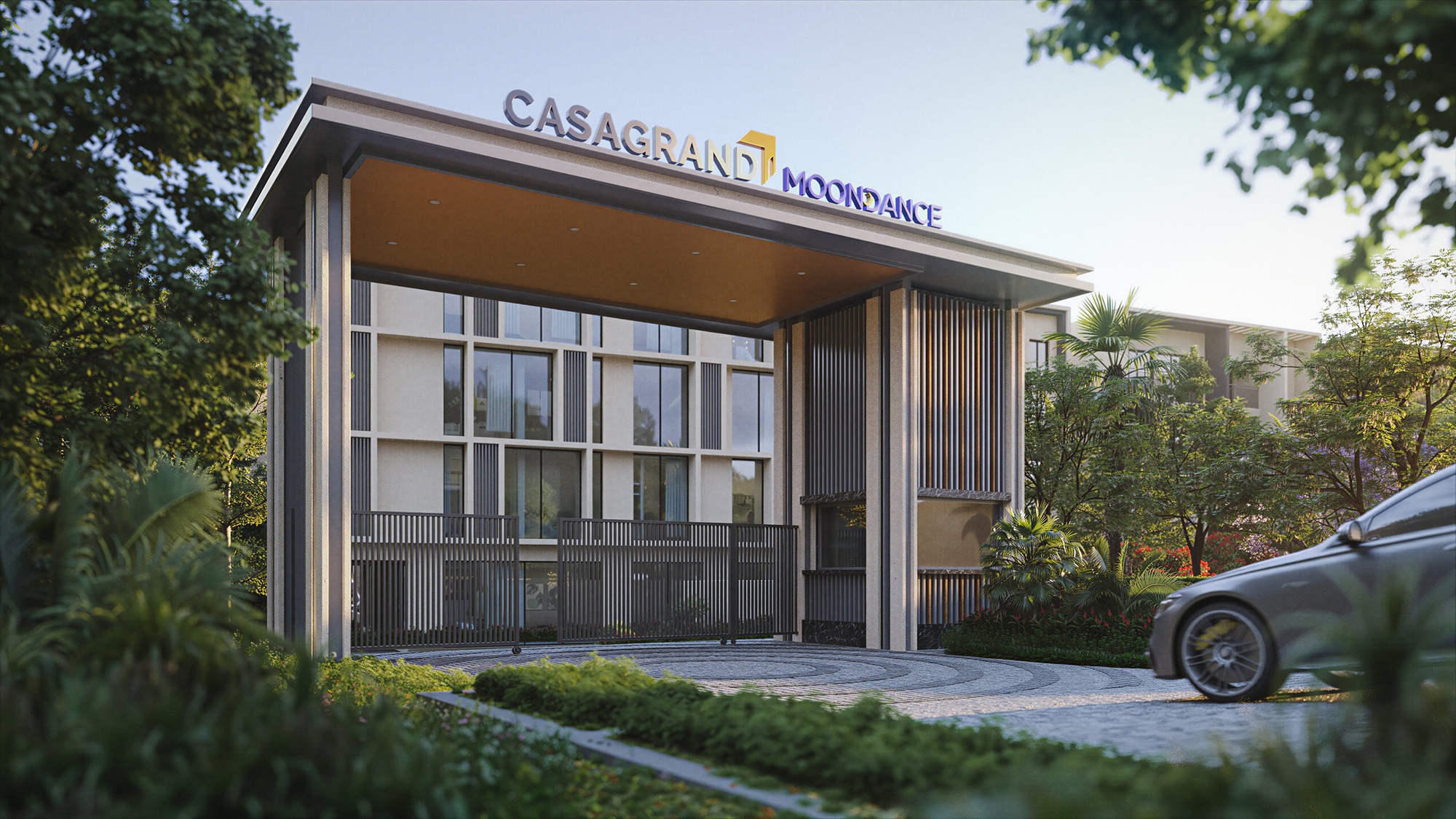
Casagrand has launched a new residential project, Casagrand Moondance, near Mysore Road in Bengaluru, focusing on spacious low-rise living and larger community spaces. Spread across 8.6 acres, the project will have 504 units in 2 and 3 BHK configurations built across B+G+4 structures. The development includes over 71,500 sq. ft. of themed courtyards, nearly 4.5 acres of open space and more than 65 lifestyle amenities. Located around 15 minutes from RR Nagar, the project is expected to benefit from Metro and NICE Road connectivity while catering to homebuyers looking for less congested residential environments in West Bengaluru.Read more
10 hours ago
Techno Digital, the digital infrastructure arm of Techno Electric & Engineering Company Limited, has commissioned its Mumbai Edge Data Center in Mahalaxmi, South Mumbai, in partnership with RailTel Corporation of India. Developed as a Rated-3 facility, the edge data centre has been positioned to support low-latency enterprise applications and real-time digital workloads in Mumbai’s financial and commercial districts. The company stated that the facility delivers latency of less than 150 microseconds from BSE at Nariman Point and less than 250 microseconds from NSE in BKC. The commissioning forms part of Techno Digital’s wider strategy to establish a distributed edge infrastructure network across more than 100 Indian cities through its partnership with RailTel, with additional facilities planned in the coming months.Read more

Advertisement






10 hours ago
Vedanta Ltd’s subsidiary Talwandi Sabo Power Ltd (TSPL) has been directed by the Supreme Court to pay around INR 127 crore plus late payment surcharge to Punjab State Power Corporation Ltd (PSPCL). The decision restores an earlier order by the Punjab State Electricity Regulatory Commission (PSERC) after overturning a ruling by the Appellate Tribunal for Electricity (APTEL). The case concerns a penalty linked to alleged misdeclaration of power availability in January 2017 under the Grid Code. TSPL operates a 1,980 MW coal-based plant in Punjab and supplies full generation to PSPCL.Read more

11 hours ago
• Inflection Point Ventures announced 16 exits during FY2026, reporting a blended internal rate of return (IRR) of 41.01% and a money-on-money (MoM) multiple of 2.86x across transactions.
• The exits included both partial and full transactions across sectors, with Secret Alchemist delivering the highest reported return at 192% IRR and 4.56x MoM, followed by Aerem, Qubehealth and Kazam.
• Strategic acquisitions of GeoiQ and AFK Gaming by Lenskart and Nodwin Gaming respectively formed part of the exit slate, alongside secondary transactions involving institutional investors and family offices.
• IPV stated that 26 portfolio startups also completed follow-on transactions during FY2026, generating a blended IRR of 84.22% and a 3.33x MoM multiple through structured secondary deals.
• The investment platform said increasing institutional participation, repeat secondary buyers and continued follow-on funding activity reflected growing confidence in IPV-backed startups despite broader liquidity challenges in India’s early-stage investment ecosystem.Read more

Advertisement

12 hours ago
eXp Realty India has reported that the number of RERA-registered real estate agents in India crossed 100,000 in 2025, reflecting continued expansion and formalisation within the country’s brokerage sector. Based on an analysis of Ministry of Housing and Urban Affairs (MoHUA) data between 2018 and 2025, the report found that the registered agent base increased from 27,073 in 2018 to 105,712 in 2025, representing growth of 19.1% in the latest period alone. The company stated that the rise in registrations indicates increasing participation in organised brokerage activity following the implementation of the Real Estate (Regulation and Development) Act. The report also highlighted growing adoption of technology-led and platform-based brokerage models as agents seek operational flexibility, digital tools and wider market access across India’s expanding real estate sector.Read more

13 hours ago
• Adani Power will acquire a 24% stake in key thermal power assets of Jaiprakash Power Ventures for INR 4,194 crore.
• The transaction includes stakes in operational thermal power projects and associated infrastructure assets linked to JPVL’s power business.
• The acquisition forms part of Adani Power’s ongoing capacity expansion strategy across India’s thermal power sector.
• The deal is subject to regulatory approvals and customary closing conditions, according to company disclosures made in the past week.Read more

14 hours ago
The Karnataka Lokayukta has uncovered alleged financial irregularities worth over INR 23 crore in Pradhan Mantri Awas Yojana (PMAY-Urban) housing projects in Belagavi district. The investigation relates to PMAY houses developed in Ramdurg town, where officials and contractors allegedly cleared fake bills and inspection records despite several homes remaining incomplete. Authorities found that around INR 29.45 crore was released for the project between 2019 and 2024, while construction material worth only about INR 6.1 crore reportedly reached beneficiaries. Multiple raids were conducted across Karnataka and documents linked to project approvals, inspections and billing were seized for further investigation.Read more

15 hours ago
• Institutional investors increased holdings in AI infrastructure, semiconductor, data centre and utility companies during the first quarter of 2026, according to SEC filings reviewed by Reuters.
• Companies such as Oracle, Arista Networks, Vertiv and Digital Realty saw strong institutional buying activity.
• Investors remained cautious on major technology firms within the “Magnificent Seven” group, including Meta and Microsoft, amid concerns over AI spending and growth sustainability.
• The software-as-a-service sector witnessed net selling pressure as investors assessed the possible impact of AI on traditional business models and profitability.
• Semiconductor stocks continued to attract strong investor interest, with more than 4,100 institutions either increasing holdings or initiating fresh positions during the quarter.Read more

16 hours ago
Alliance City Developers Realtors Pvt. Ltd. has announced that its residential project, Alliance Abhimanyu, located at Mith Chowky in Malad West, is nearing possession. Registered under MahaRERA (P51800052607), the project comprises 2 BHK and 3 BHK apartments ranging from 600 sq ft to 821 sq ft in RERA carpet area. Positioned along Marve Road, the development is located near key transport and social infrastructure, including the Valnai Metro Station, Western Express Highway, schools, hospitals and retail centres. The developer stated that the project includes amenities such as a landscaped sky garden, gymnasium, podium parking, yoga deck and CCTV surveillance. Alliance City, which has completed 12 projects and is currently developing multiple schemes across Mumbai, said the project reflects its focus on timely execution and end-to-end project management across the residential development cycle.Read more

Advertisement

17 hours ago
CSI Properties Ltd and one of its subsidiaries have entered into a subscription agreement for an additional issue of new notes to raise gross proceeds of USD 50.875 million. The fundraising move comes as several property companies continue to explore debt refinancing and liquidity management amid cautious market conditions. The company disclosed the development in a regulatory filing, stating that the agreement relates to an additional notes issuance. While detailed terms of the subscription were not disclosed, the proceeds are expected to support the company’s broader financing and operational requirements.Read more

18 hours ago
• Inkers Technology has launched Kael, an AI-native construction intelligence platform aimed at improving project planning, monitoring and execution across the construction and real estate sectors.
• The platform combines predictive intelligence, operational analytics and consulting capabilities to help project teams identify risks, assess financial impact and reduce delays and cost overruns.
• Kael works alongside Observance, the company’s operational intelligence solution that uses computer vision, LiDAR and real-time analytics to create digital twins of construction sites.
• The company said the platform continuously analyses project data across schedules, drawings, reports and communication channels to deliver real-time decision support to project stakeholders.
• Inkers Technology stated that early deployments of the platform have helped project managers save up to three to four hours daily through automated reporting and real-time risk identification.Read more
19 hours ago
Reliance Power reported a consolidated net loss of INR 494 crore for the quarter ended March 31, compared with a profit of INR 125.57 crore in the same quarter last year, as per a regulatory filing in New Delhi this week. Total income declined to INR 1,946.33 crore from INR 2,065.64 crore year-on-year. For FY26, the company posted a net loss of INR 336.89 crore against a profit of INR 2,947.83 crore in FY25. Total income also dropped to INR 7,988.52 crore from INR 8,257.04 crore. The board approved fundraising plans of up to INR 6,000 crore and INR 3,000 crore in debentures.Read more

20 hours ago
Telangana Real Estate Regulatory Authority Chairman N Satyanarayana has resigned from his post citing health complications arising from prolonged hearings and administrative responsibilities, according to reports published on Wednesday. The Telangana government has accepted the resignation through an official memo issued by the Metropolitan Area and Urban Development Department. During his three-year tenure, the authority registered more than 10,800 projects and over 5,100 real estate agents while implementing reforms related to grievance redressal, digital governance and project approvals. Satyanarayana also oversaw measures concerning stalled project revival, misleading real estate advertisements and institutional strengthening within the state regulator. The resignation comes at a time when Telangana’s residential and commercial real estate markets continue to witness increased development activity and regulatory oversight.Read more

21 hours ago
Asia Pacific’s data centre sector recorded a historic USD 11.6 billion in investments during 2025, according to CBRE’s latest regional outlook report, with access to power infrastructure increasingly shaping where new developments are being planned. The report identified India, Malaysia and Australia among the key beneficiaries of this shift as artificial intelligence-led demand pushes operators and investors beyond traditional markets such as Singapore and Hong Kong SAR. Entity-level transactions across operating platforms and companies reached USD 8.3 billion during the year, while new AI-focused cloud providers, referred to as “neoclouds”, emerged as an additional source of demand. CBRE noted that developers and investors are increasingly prioritising power-secure locations, built-to-suit campuses and infrastructure partnerships to support high-density AI workloads across the region.Read more
Advertisement

22 hours ago
Abu Dhabi National Oil Company said the UAE’s new oil pipeline connecting Abu Dhabi to Fujairah is around 50% complete. The project is intended to expand crude export capacity outside the Strait of Hormuz and strengthen energy supply routes amid continuing geopolitical tensions in the region. ADNOC stated that the pipeline forms part of the UAE’s broader strategy to diversify export infrastructure and improve direct access to the Gulf of Oman. The development comes as Gulf energy producers increase investments in alternative export corridors, storage facilities and logistics infrastructure to reduce dependence on Hormuz-linked shipping routes.Read more

22 May 2026
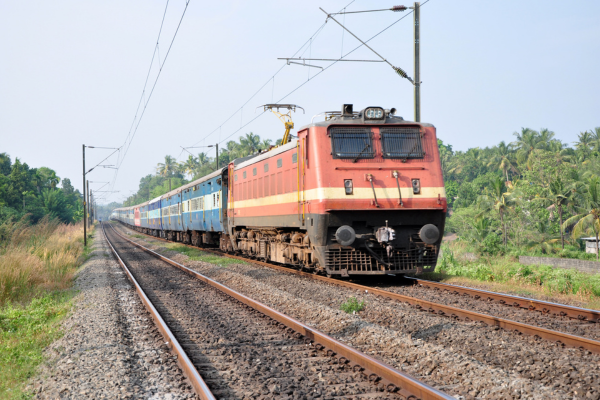
• Kerala’s new UDF government has decided to scrap the proposed SilverLine semi high-speed rail corridor project.
• The state cabinet has also decided to revoke land acquisition notifications and recommend withdrawal of cases filed against anti-project protesters.
• The project had faced prolonged opposition over land acquisition, environmental concerns and financial viability across multiple districts in Kerala.
• The proposed corridor was intended to improve north-south rail connectivity across the state through a dedicated semi high-speed network.Read more
22 May 2026
Karnataka Industrial Areas Development Board has expanded the Chamarajanagar industrial area with the acquisition of 838 acres of land to strengthen industrial infrastructure in the region. The expansion will support development of manufacturing units, logistics facilities and allied infrastructure under Karnataka’s industrial development framework. The move is aimed at improving land availability for industry and promoting decentralised industrial growth beyond established hubs such as Bengaluru. Officials said the additional land will enable structured planning, larger industrial clusters and long-term regional economic development in Chamarajanagar district.Read more

22 May 2026
JK Lakshmi Cement reported a 28.67% year-on-year decline in consolidated net profit for the quarter ended March 2026, with earnings falling to INR 125.06 crore amid rising expenditure despite stable revenue growth. The company’s revenue from operations remained largely flat at INR 1,901.53 crore during the quarter, while total expenses increased 5%. Sales volumes, however, rose 8.3% to 3.89 million tonnes, indicating stronger dispatch activity. For the full financial year FY26, the cement maker recorded a 49.52% rise in consolidated net profit to INR 412.61 crore, supported by a 10.2% increase in total income. The company also flagged geopolitical tensions in West Asia, rupee depreciation and supply chain disruptions as potential risks to government capital expenditure and cement demand growth in FY27.Read more

22 May 2026
• The Centre opposed new hydropower projects in the upper Ganga basin beyond seven ongoing projects in Uttarakhand.
• The government cited ecological and geological concerns in the Alaknanda and Bhagirathi river basins.
• Projects including Tehri Stage-II and Tapovan Vishnugad will continue with statutory clearances.
• The submissions were made in ongoing Supreme Court proceedings after the 2013 Kedarnath disaster.Read more

Advertisement

22 May 2026
• Signature Global Ltd has launched Prive Iconic Tower, a luxury residential development furnished by Armani/Casa, within its SG SPR Estate township in Gurugram.
• The standalone tower will comprise 72 four-bedroom residences with two apartments per floor, targeting low-density premium housing demand.
• The project is being developed in collaboration with SEETU Kohli Homes and forms part of the 125-acre Cloverdale township on Southern Peripheral Road.
• Signature Global expects to generate nearly INR 580 crore in revenue from the development.
• The company said the launch has witnessed strong initial response from high-net-worth individuals, business owners and senior professionals across North India.Read more

22 May 2026
South Africa-based Balwin Properties has received a formal acquisition proposal from Bidco to acquire all eligible issued shares in the company through a scheme of arrangement. The proposed transaction values each scheme share at ZAR 4.35 in cash. The offer was disclosed in a filing to the Johannesburg Stock Exchange (JSE), where the company confirmed receipt of a firm intention letter from Bidco. The development comes at a time when property companies in several global markets are witnessing consolidation amid changing market conditions, financing costs, and pressure on residential demand.Read more

22 May 2026
Airports Economic Regulatory Authority has fixed a User Development Fee (UDF) of INR 620 for departing domestic passengers and INR 1,225 for international passengers at Navi Mumbai International Airport. The regulator issued the order ahead of the airport’s planned operational launch, approving the tariff structure proposed for the greenfield airport being developed by Navi Mumbai International Airport Ltd. The UDF will form part of the airport’s revenue framework to support infrastructure development and operational costs. Navi Mumbai International Airport, being developed in phases near Mumbai, is intended to reduce congestion at Chhatrapati Shivaji Maharaj International Airport and strengthen aviation capacity across the Mumbai Metropolitan Region.Read more

22 May 2026
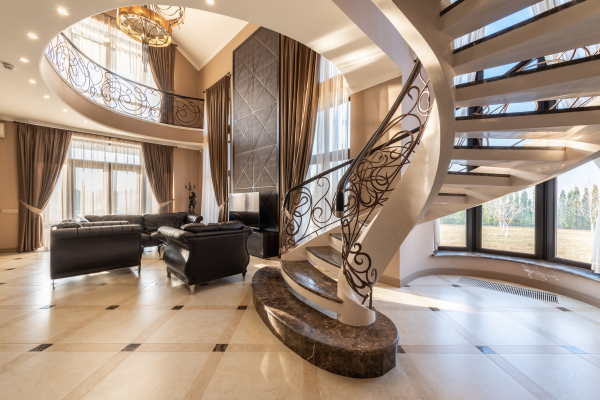
Tariq Premji, son of Azim Premji, has acquired a luxury penthouse in Whitefield, Bengaluru, for INR 45.71 crore, according to property registration documents cited in multiple media reports. The apartment is located in the 27 Summit residential project developed by Sterling Urban Developments Pvt. Ltd. and has a super built-up area of around 7,000 sq ft with five car parking spaces. The transaction was registered earlier this month, with stamp duty and registration charges of about INR 2.74 crore, adding to a series of high-value residential deals in Bengaluru’s premium housing market.Read more
22 May 2026
The Maharashtra government has expanded the notified area of the Kharbav Integrated Business Park from 10 villages to 44 villages across the Bhiwandi and Vasai regions, bringing an additional 34 revenue villages under a unified planning framework led by Mumbai Metropolitan Region Development Authority. The move is aimed at accelerating logistics, industrial, warehousing and commercial development in the Mumbai Metropolitan Region (MMR). The expanded business park is expected to support employment generation, infrastructure growth and investment activity while reducing development pressure on core Mumbai through planned economic expansion in emerging growth corridors.Read more

Advertisement

22 May 2026
Rental prices in Ireland recorded a significant increase of 4.4% in the first quarter compared to the previous three months, marking the steepest quarterly rise since data tracking began in 2002. The increase comes after recent changes to the country’s rent control system, which appear to have allowed landlords to reset rents to market levels at the end of tenancies. Annual rents were 7.8% higher at the end of March and remain far above pre-pandemic levels. Supply constraints continue, even as listings rise in several cities following the regulatory update.Read more

22 May 2026
• The Supreme Court has granted interim relief to Bharat Hotels in its dispute with NDMC over The Lalit New Delhi property.
• The apex court directed both parties to maintain status quo, stopping immediate action against the hotel property.
• The dispute relates to termination of the land licence agreement and recovery of over INR 1,063 crore in alleged dues.
• The Delhi High Court had recently upheld NDMC’s decision to end the licence agreement with Bharat Hotels.
• The case is being closely watched by the hospitality and real estate sectors due to its possible impact on long-term government land lease agreements.Read more

22 May 2026
The Andhra Pradesh government has approved the allotment of 854.97 acres in Vizianagaram district to Reliance Industries for the development of a giga-scale artificial intelligence data centre and cable landing station project with a proposed investment of INR 1.08 lakh crore. The land has been allotted at a 25% discounted rate, according to a government order issued on Wednesday. The project site spans Polipalli, Bhogapuram West and Bhogapuram East villages, identified by the Andhra Pradesh Industrial and Infrastructure Corporation. Alongside the land allotment, the state government approved multiple fiscal and non-fiscal incentives, including subsidies, exemptions and waivers, for the proposed development. Authorities have also been directed to identify an additional acre for the cable landing station component of the project.Read more

22 May 2026
IRB Infrastructure Developers reported a 38% year-on-year increase in consolidated net profit for the quarter ended March 2026, with earnings rising to INR 296.25 crore despite a decline in operational income. The company’s total income from operations fell to INR 1,976 crore during the quarter, while expenses reduced significantly to INR 1,571 crore, supporting profitability growth. During FY26, the company recorded toll revenue of INR 8,323 crore, marking a 12% increase over the previous year. IRB also confirmed the operationalisation of the Ganga Expressway, resulting in all major projects within its portfolio becoming revenue-generating assets. Separately, the group’s private InvIT associate proposed transferring two assets in Maharashtra and Gujarat to the public IRB InvIT Fund through a non-binding offer valued at INR 4,663 crore.Read more

22 May 2026
The Insolvency and Bankruptcy Board of India has issued fresh guidelines for the empanelment of insolvency professionals to speed up appointments in corporate insolvency and bankruptcy proceedings under the Insolvency and Bankruptcy Code. The revised framework introduces stricter eligibility disclosures, mandatory consent provisions and penalties for refusal of assignments after empanelment. Insolvency professionals seeking inclusion in the panel must submit expressions of interest by June 19, 2026, while the final list is scheduled to be shared with adjudicating authorities by June 30. The regulator has also directed applicants to disclose sectoral experience to facilitate specialised handling of insolvency cases. The move is aimed at reducing delays in the appointment of interim resolution professionals, liquidators, resolution professionals and bankruptcy trustees across insolvency proceedings.Read more

Advertisement

22 May 2026
Rubics Realty has outlined an expansion pipeline for 2026-27 with three luxury residential projects planned across Sion, Dadar and Worli in Mumbai, along with its first premium hospitality venture in Goa. The developer is focusing on the luxury and ultra-luxury housing segments as demand for premium homes in Mumbai continues to remain strong. The projects are expected to include large-format residences with a design-led approach centred on lifestyle and architecture. The company is also exploring strategic land acquisitions on the outskirts of Mumbai to strengthen its future development pipeline and expand its presence across emerging residential corridors.Read more

22 May 2026
BriQ Properties REIC reported a rise in net profit for the first quarter, supported by stable operating performance and steady earnings from its property portfolio. The company’s net profit increased to EUR 3.6 million from EUR 3 million in the corresponding period last year, while EBITDA also saw a marginal rise to EUR 4.6 million. Rental income remained largely stable at EUR 5.3 million compared to EUR 5.4 million a year ago. The latest quarterly performance reflects continued resilience in the company’s income-generating real estate assets despite slight pressure on rental revenue.Read more

22 May 2026
Sindhudurg district in Maharashtra is set to become a new marine tourism hub with the development of India’s first underwater museum and submarine tourism project near Nivati Rocks along the Konkan coast. The project includes the submerged decommissioned naval warship Ex-INS Guldar, which will function as an underwater museum and artificial reef. Backed by central and state government funding, the initiative aims to boost adventure tourism, scuba diving and marine activities in the region. Officials expect the project to generate employment opportunities for local communities while promoting sustainable tourism and marine biodiversity conservation.Read more

22 May 2026
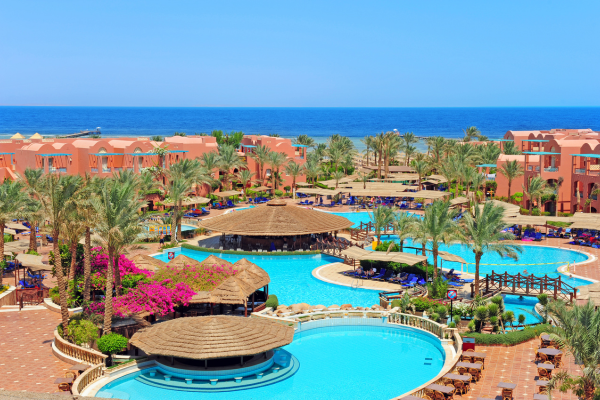
Indian Hotels Company Limited has announced the signing of a 55-key brownfield Tree of Life resort in Wayanad, Kerala, expanding its presence in the state’s growing leisure hospitality market. The project marks the entry of the Tree of Life brand into Kerala and is being developed in partnership with Saeed Edavankandy. IHCL said the move aligns with its strategy to strengthen its footprint in high-potential tourism destinations across India. With this addition, IHCL’s portfolio in Kerala will increase to 23 hotels, including five properties that are currently under development.Read more
22 May 2026
Nitin Gadkari reviewed the progress and quality of maintenance work across 4,178 km of National Highway projects in Assam during a high-level meeting held on Wednesday. The review was initiated following feedback and concerns raised through media and social media platforms regarding highway conditions and project execution. During the meeting, the Union minister directed officials to accelerate implementation work, strengthen monitoring systems and adopt modern construction practices to improve road durability and ride quality. He also instructed authorities to undertake advance monsoon preparedness measures, including drainage strengthening, slope protection and rapid response systems, to minimise disruptions and improve commuter safety across critical highway corridors in the state.Read more

Advertisement

22 May 2026
Argosy Property Ltd has announced a fourth-quarter cash dividend of 1.6625 NZ cents per share for FY2026. The update was disclosed in a recent company filing and comes as the New Zealand-based property firm continues its regular shareholder payout cycle. The company has maintained a consistent dividend distribution approach over recent quarters amid changing market conditions and interest rate pressures affecting the broader real estate sector. Argosy Property is known for managing a diversified commercial property portfolio across New Zealand, including office, industrial and retail assets.Read more

22 May 2026
WeWork India Management Ltd reported a strong rise in quarterly earnings as demand for managed office spaces and flexible work centres continued to grow across major Indian cities. The company’s consolidated net profit increased 80 per cent to INR 65.55 crore during the March quarter, supported by higher income and steady expansion of its workspace portfolio. Revenue also saw healthy growth during the quarter. However, annual profit for FY26 declined compared to the previous financial year despite a rise in total income, reflecting operational and expansion-related pressures in the flexible office segment.Read more

22 May 2026
Cochin Shipyard Limited has signed an agreement to acquire a 5 per cent stake in Dehradun-based startup Maritech Integrated Maritime under its startup initiative, USHUS. The investment is part of CSL’s INR 50 crore innovation fund aimed at supporting technology-led startups in the maritime sector. Maritech has developed the Integrated Maritime Exchange (IME), a platform designed to connect maritime stakeholders and simplify logistics and port-related services. The initiative supports the government’s broader focus on digitalisation, indigenisation and innovation in India’s maritime and logistics ecosystem.Read more

22 May 2026
• Adani Ports and Special Economic Zone will acquire a 100 per cent stake in Jaypee Fertilizers & Industries Limited from Jaiprakash Associates Limited for INR 1,500 crore under the approved insolvency resolution plan.
• The acquisition includes control of Kanpur Fertilizers and Chemicals Limited, which owns around 243 acres of industrial and commercial land in Kanpur.
• APSEZ plans to develop a logistics park and warehousing facilities on the Kanpur land parcel to strengthen its North India logistics operations.
• The deal supports the company’s target of expanding its Multi-Modal Logistics Park network from 12 to 16 locations and increasing warehousing capacity fourfold by 2031.
• The NCLT approved the resolution plan earlier this year, while the NCLAT upheld the order earlier this month.Read more

22 May 2026
Bangladesh has approved a development budget of 3 trillion taka (around USD 24.59 billion) for the next fiscal year, marking an increase of more than 30 per cent over the current year’s allocation. The Annual Development Programme (ADP), cleared by the National Economic Council chaired by Prime Minister Tarique Rahman, will prioritise transport infrastructure, education, healthcare, agriculture, and climate-resilient growth initiatives. More than 63 per cent of the funding is expected to come from domestic resources, while the remainder will be sourced through foreign loans and grants. The approval comes amid concerns over Bangladesh’s external financing conditions following a recent outlook downgrade by Fitch Ratings and observations by the International Monetary Fund regarding data reliability.Read more

Advertisement






Advertisement