Advertisement






Follow us on Instagram, Facebook, YouTube, X, Spotify, Amazon Music, Apple Music and more.
What really powers the cloud? Behind every Google search, A...
A lot of what defines a home isn’t visible at handover. I...
Private equity has played a significant role in shaping Indi...
Luxury real estate is one of the most talked-about segments ...
Airports play a much bigger role than just enabling travel -...
8 minutes ago
• Reliance Industries has delivered the first 200 MWp batch of high-efficiency solar modules from its green energy manufacturing complex in Jamnagar, Gujarat.
• The company is developing a 5,000-acre integrated clean energy ecosystem covering solar modules, batteries, green hydrogen and bio-energy infrastructure.
• Reliance plans to scale solar manufacturing capacity to 10 GWp annually, with a long-term target of 20 GWp.
• The company is also advancing battery storage, green hydrogen and compressed biogas infrastructure as part of its clean energy platform.
• Reliance stated that it has committed nearly INR 75,000 crore towards the initiative, which could generate over 200,000 green jobs.Read more

1 hour ago
Bihar’s airport expansion plans moved ahead after Parliamentary Committee on Transport, Tourism and Culture chairman Sanjay Kumar Jha met Civil Aviation Minister Kinjarapu Rammohan Naidu in New Delhi to review aviation infrastructure projects across the state. The discussions focused on runway expansion at Patna, Darbhanga and Gaya airports, development of Darbhanga as an international airport, and improved regional air connectivity under the UDAN scheme. The Centre and Bihar government also reviewed plans for Purnea Airport, regional airstrips and tourism-linked aviation projects. The proposed developments are expected to support passenger traffic growth, tourism and economic activity in Bihar.Read more

2 hours ago
• Shifts in tourism patterns are increasingly being tracked by developers and investors as early indicators of future real estate demand across residential, hospitality and second-home markets.
• Growth in repeat short-term travel and improved digital access to destinations are influencing property investment trends in lifestyle and leisure-driven locations.
• Travel data, including search activity and repeat bookings, is helping stakeholders identify emerging destinations before conventional real estate cycles fully develop.
• Industry research suggests that tourism growth often drives parallel investments in infrastructure, connectivity and quality-of-life improvements, which in turn support housing demand.
• Developers and urban planners are increasingly studying travel behaviour alongside traditional market fundamentals to assess long-term investment potential in evolving micro-markets.Read more

3 hours ago
Colliers’ latest global report highlights long-term megatrends reshaping corporate real estate across Asia Pacific. It notes that rapid digitalisation and strong AI adoption could expand India’s artificial intelligence market from over USD 9 billion to more than USD 500 billion in the coming decades. India’s young workforce, accounting for nearly one-third of global skilled talent, is strengthening its position as a major tech and GCC hub. The report also underlines India’s leadership in green-certified office spaces, rising climate risks, and growing focus on energy security and sustainable real estate development.Read more

4 hours ago
• Vale do Lobo will host the 42nd edition of the Open Foursomes golf tournament from May 24–30, bringing together international golfers at the Algarve resort.
• The event will be held across the resort’s two 18-hole golf courses and is positioned around community participation, leisure and social engagement.
• Vale do Lobo’s Junior Golf Academy will run alongside the tournament from May 25–29, focusing on youth golf training and intergenerational participation in the sport.
• The resort’s residential offering, The Residences Vale do Lobo, continues to attract global buyers seeking golf-linked second homes and investment properties near the Royal Golf Course.
• The development is operated by Kronos Homes, which owns and manages the Vale do Lobo resort in Portugal.Read more

Advertisement

5 hours ago
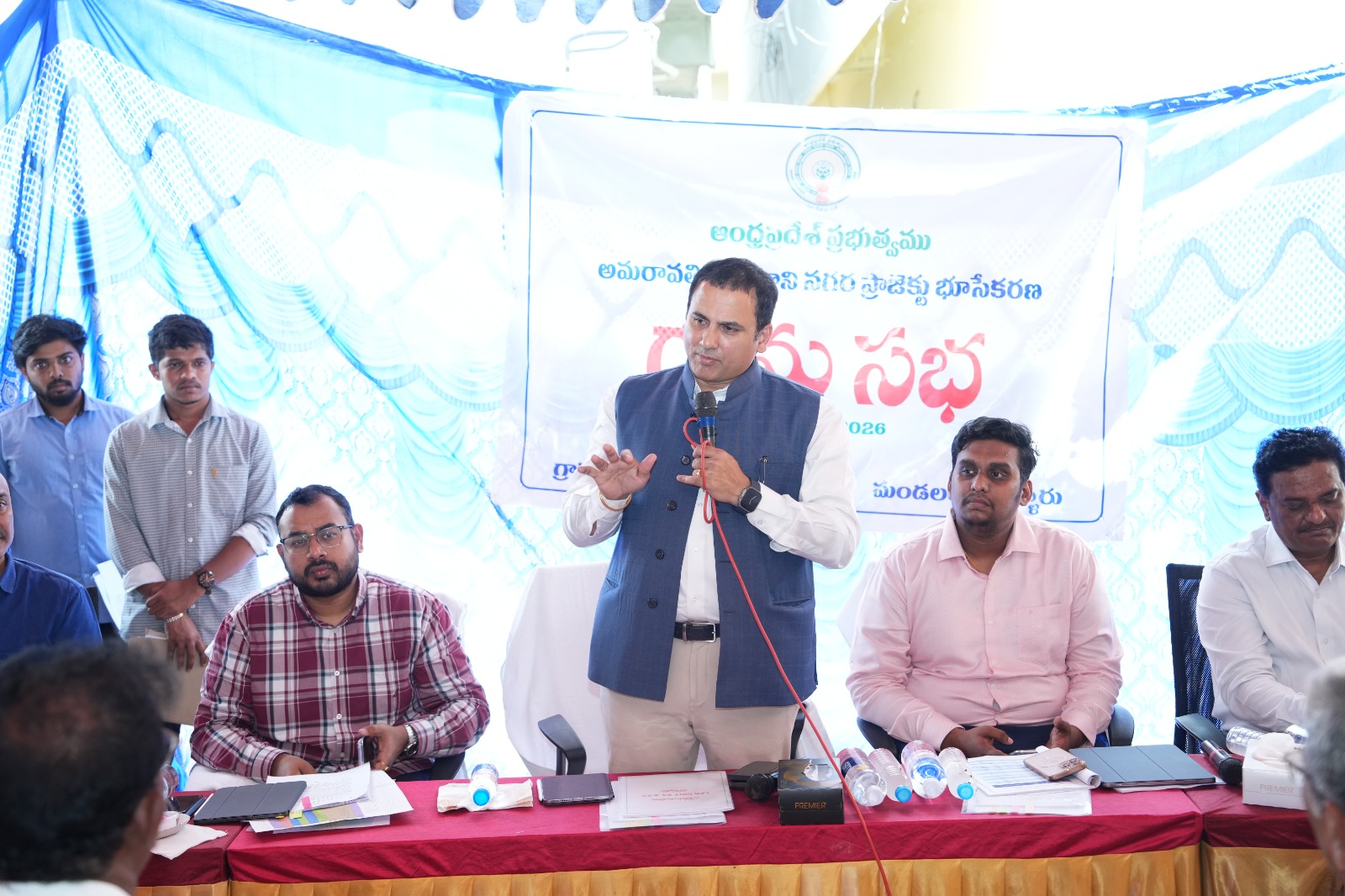
The Andhra Pradesh Capital Region Development Authority conducted a Grama Sabha in Mandadam village as part of ongoing land acquisition and land pooling efforts for the development of Amaravati, the state’s proposed capital city. Officials, including senior commissioners and planning authorities, explained that land pooling has been used for infrastructure such as roads and LPS zones, while acquisition notices were issued for farmers not enrolled in the scheme. Authorities also informed that eligible farmers can still opt for the Land Pooling Scheme within the given timeline. Farmers were urged to cooperate as development works progress across capital region villages.Read more
6 hours ago
• Conrad K Sangma laid the foundation stones for four road infrastructure projects worth nearly INR 488 crore in East and West Jaintia Hills.
• The projects cover a combined length of 108.24 km and include road upgrades, bridge construction, and tourism connectivity works.
• Major schemes are being funded through the World Bank-backed Meghalaya Logistics and Connectivity Improvement Project, CRIF, SIDBI Cluster Development Fund, and NESIDS.
• The state government said the projects are aimed at improving access to healthcare, education, tourism locations, and trade corridors in the coal-bearing region.
• Construction activity is expected to begin within 45 days after completion of tendering and contractor onboarding processes.Read more

6 hours ago
• PropTiger reported that Bengaluru recorded the highest year-on-year housing price growth among India’s top eight cities during Q1 2026, with average prices rising 24 per cent.
• Average residential prices in Bengaluru increased to INR 9,785 per sq ft, making it the country’s second-costliest housing market after Mumbai Metropolitan Region (MMR).
• Across the top eight cities, housing prices increased between 3 per cent and 24 per cent annually, while the weighted average crossed INR 10,000 per sq ft for the first time.
• Housing sales across the eight cities declined 2.2 per cent year-on-year to 95,973 units during the quarter, although Bengaluru, Chennai, Hyderabad and Delhi-NCR recorded sales growth.
• The report highlighted that premium and upper mid-income housing segments continued to dominate new launches across major cities including Bengaluru, MMR and Delhi-NCR.Read more

7 hours ago
SolarEdge Technologies has launched its new Research and Development campus, the India Development Center, in East Bangalore as part of its global expansion strategy. The facility will focus on developing advanced power electronics and smart energy technologies while strengthening the company’s engineering capabilities. It will also support hiring across multiple technical domains, including embedded systems and hardware design. Company leaders highlighted India’s strong position in the solar and engineering sectors and noted that the new centre will enhance collaboration, innovation, and product development across its global R&D network.Read more

7 hours ago
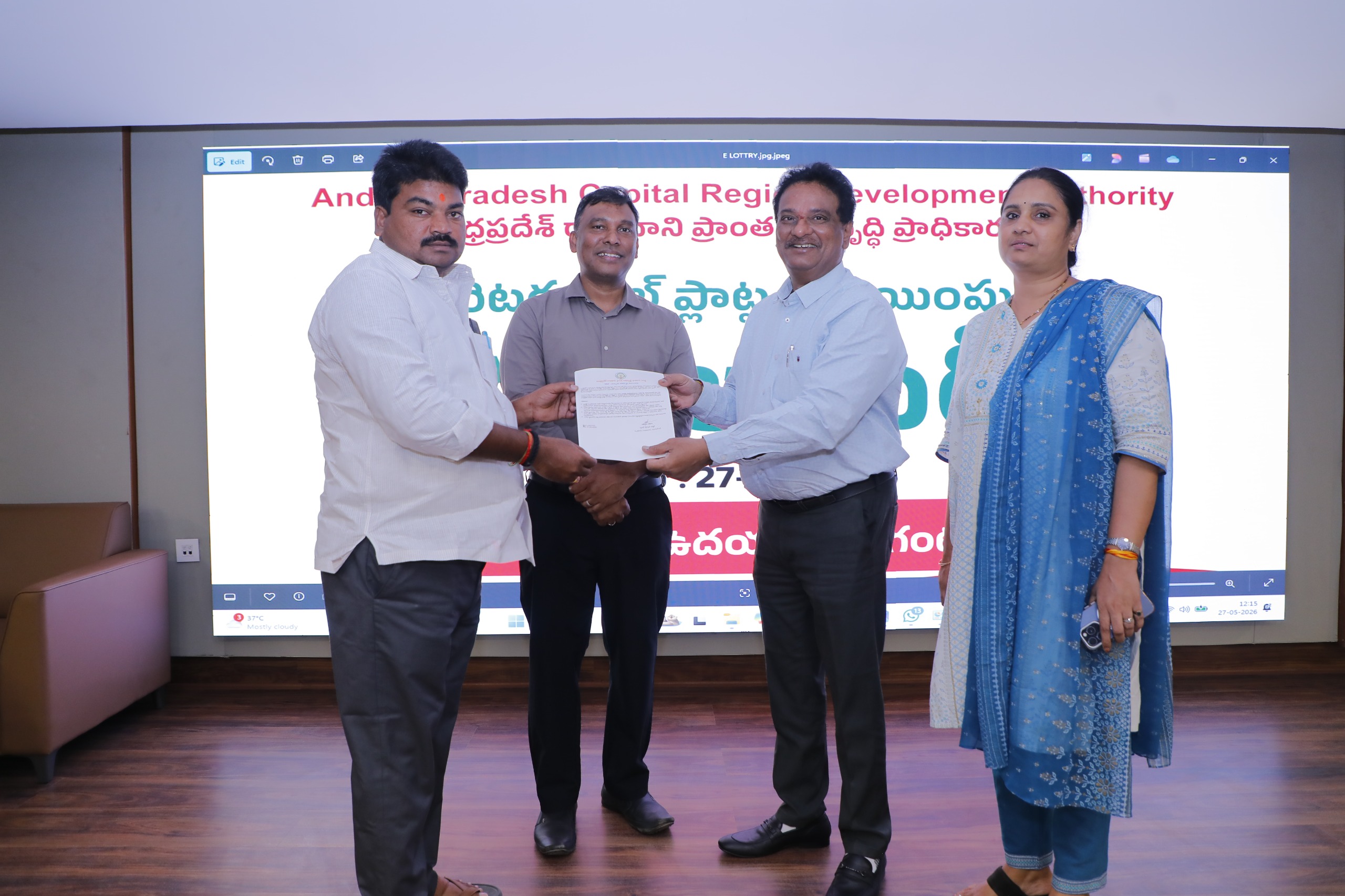
Farmers who had contributed land for the development of Amaravati received returnable plots through an e-lottery process conducted at the APCRDA office in Rayapudi. Provisional certificates were distributed to beneficiaries under the Land Pooling Scheme and the Negotiated Settlement Policy. A total of 54 plots were allotted to 18 farmers under the LPS, while 155 additional plots were distributed to farmers from multiple villages. Officials said support would be provided for plot identification and registration. The exercise is part of the continuing implementation of the Amaravati capital city development programme and land return commitments made to participating farmers.Read more
Advertisement

8 hours ago
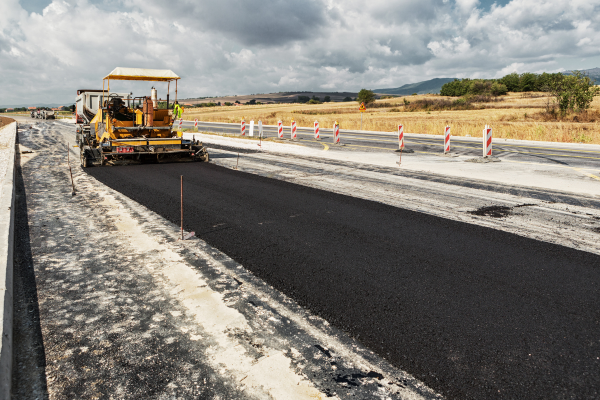
• The Odisha government is planning to add service roads along the 67-km Bhubaneswar–Puri stretch of NH-316 to address increasing traffic congestion and improve regional connectivity.
• Officials reviewed proposals for widening the existing four-lane highway to six lanes along with separate service roads on both sides of the corridor.
• The proposed infrastructure package also includes an 11-km elevated corridor, flyovers, vehicular underpasses and dedicated utility infrastructure.
• The highway is a key route connecting Bhubaneswar, Puri and major tourism centres, witnessing heavy traffic during festivals and peak travel periods.
• The state government is assessing long-term traffic demand, future urban expansion and integration with broader transport infrastructure projects in the capital region.Read more
8 hours ago
Shiv Sena (UBT) MLA Varun Sardesai has sought an inquiry into alleged restrictions on public access at City Park in Bandra Kurla Complex (BKC), claiming portions of the publicly funded urban space are being used predominantly by officials and select groups linked to the Mumbai Metropolitan Region Development Authority (MMRDA). The issue follows complaints regarding deteriorating civic amenities, inaccessible recreational facilities and uneven maintenance standards across different sections of the park. Sardesai has written to the Chief Minister and MMRDA commissioner seeking disclosure of maintenance expenditure, review of access protocols and action against officials if irregularities are established.Read more

9 hours ago
• Mizoram is planning to develop the 132-MW Tuivai Hydroelectric Project in Saitual district near the Manipur border.
• The project is estimated at INR 2,289.50 crore and is expected to be completed within five years.
• The DPR has been completed and the project is now ready for the tendering process.
• Mizoram currently meets only around 10 per cent of its electricity demand through local generation and spends nearly INR 649.54 crore annually on power purchases.
• The state government is also exploring implementation of the hydropower project through the PPP model.Read more

Advertisement






9 hours ago
• Ludhiana Improvement Trust’s proposed e-auction for the long-stalled City Centre commercial complex failed to receive bidders despite renewed monetisation efforts.
• The INR 197 crore mixed-use project has remained incomplete for nearly 18 years amid legal disputes, financial setbacks and multiple failed revival attempts.
• Auction documents issued earlier this year outlined fresh e-bidding procedures, payment conditions and allotment rules under Punjab’s municipal property regulations.Read more

10 hours ago
India’s semiconductor ambitions are increasingly being supported by Global Capability Centres (GCCs), which are evolving from traditional support units into advanced engineering and innovation hubs. These centres are now involved in chip design, embedded systems, silicon verification, AI hardware research, and electronic design automation. Global companies across automotive, telecom, aerospace, and tech sectors are expanding semiconductor-linked operations in India through GCCs. The trend is also influenced by global supply chain diversification and geopolitical shifts. This shift is expected to strengthen India’s position in semiconductor design, research, and deep-tech development over the coming years.Read more
Advertisement

10 hours ago
• Navi Mumbai Municipal Corporation conducted a special water quality inspection drive after complaints regarding drinking water quality in certain parts of the city.
• A total of 663 water samples were collected and tested across water treatment facilities, transmission pipelines and multiple residential nodes.
• The inspection covered Bhokarpada Water Treatment Centre, major water mains and areas including Belapur, Nerul, Vashi, Airoli and Digha.
• Water samples were tested for pH, TDS, residual chlorine and turbidity as per BIS IS 10500 standards and CPHEEO guidelines.
• NMMC stated that all tested samples met prescribed drinking water quality standards and confirmed that potable water supply remains safe across the city.Read more
11 hours ago
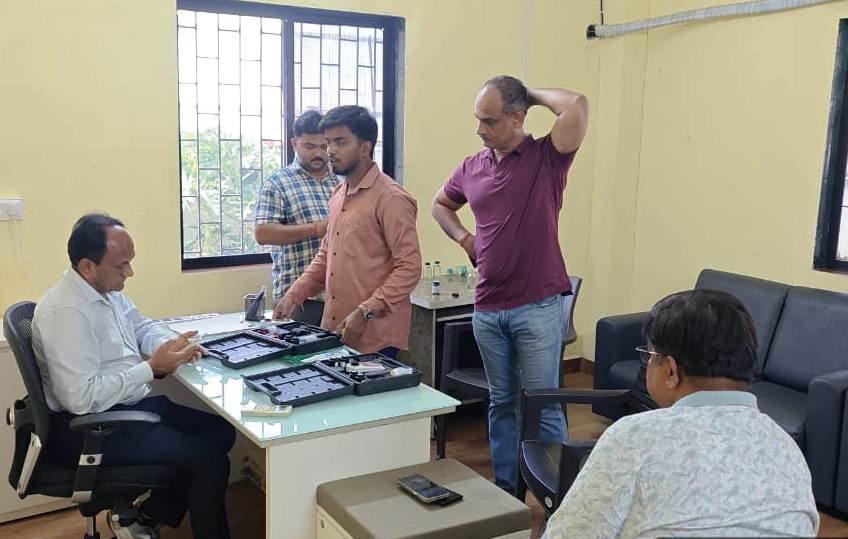
• Automated Parking Systems (APS) are witnessing increased adoption across Indian cities amid rising vehicle density and shrinking urban land availability.
• Developers across residential, commercial and mixed-use projects are using APS to optimise parking capacity and improve land utilisation.
• The systems use robotic and mechanical technology to park vehicles without manual navigation, reducing congestion and improving user convenience.
• Smart city initiatives, sustainability goals and technology integration are further accelerating deployment of automated parking infrastructure.
• Premium housing projects, office developments, malls and hospitals are increasingly incorporating APS as part of modern urban infrastructure planning.Read more

11 hours ago
Inflection Point Ventures (IPV) has entered into a strategic partnership with Bajaj Capital to offer startup investment opportunities to high-net-worth individuals (HNIs) through structured alternative investment products. Under the association, Bajaj Capital’s network of over 25,000 financial advisors across more than 300 offices will distribute IPV’s Category I Alternative Investment Fund (AIF). The partnership is aimed at widening access to early-stage startup investments in India through a regulated and professionally managed route. IPV has invested over INR 900 crore in more than 280 startups so far and recently reported 16 exits in FY2026 with a blended IRR of 41%.Read more

12 hours ago
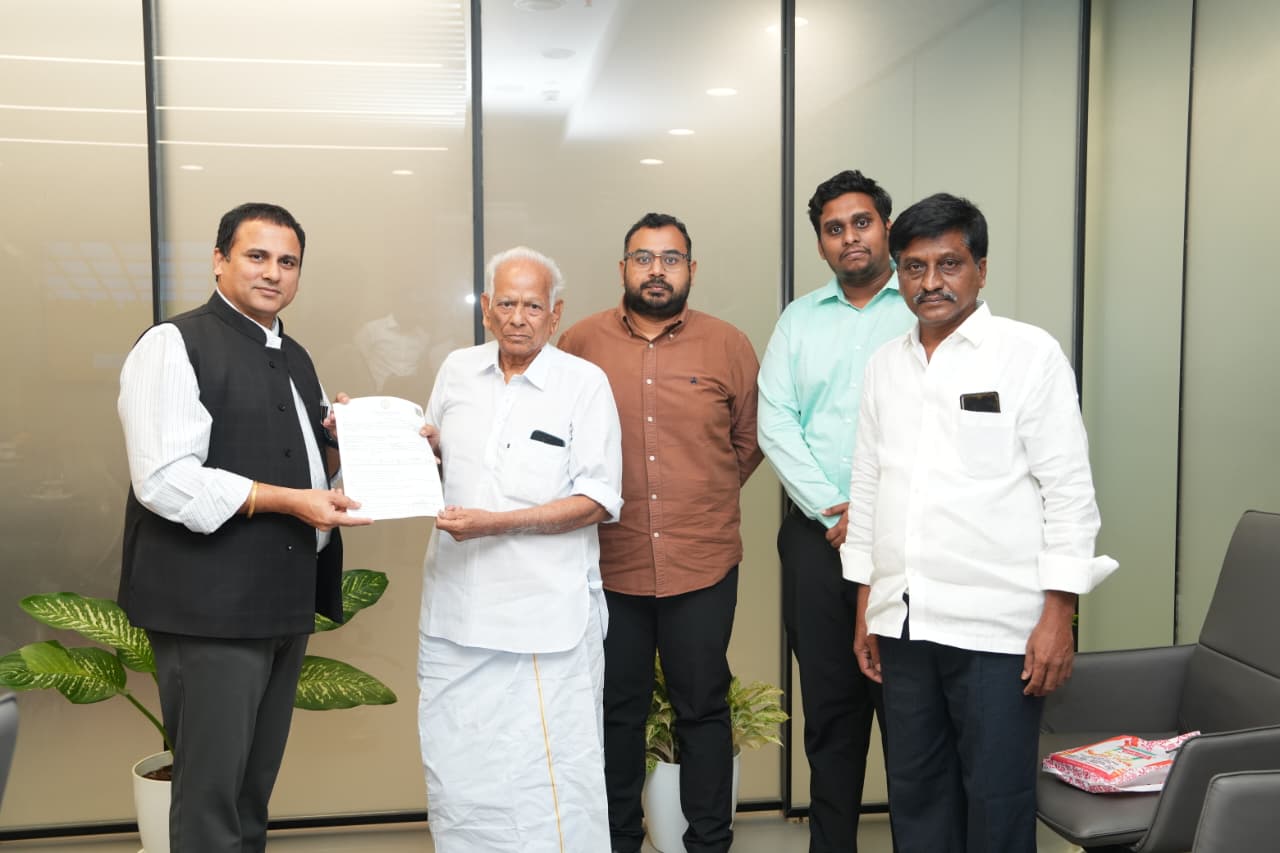
The Andhra Pradesh Capital Region Development Authority (APCRDA) honoured farmer Chintala Sriramamurthy for contributing family-owned land towards the development of Amaravati. Sriramamurthy had pooled around 16.70 acres of land located in Lingayapalem, Sakhamuru and Kondamarajupalem villages for the capital city project. During the recent e-lottery programme held at the APCRDA office in Rayapudi, he was allotted 11 returnable plots. APCRDA Commissioner V. Vijayarama Raju IAS, along with senior officials, presented the provisional allotment certificate to him and felicitated him with a shawl in recognition of his contribution to the capital region development initiative.Read more
13 hours ago
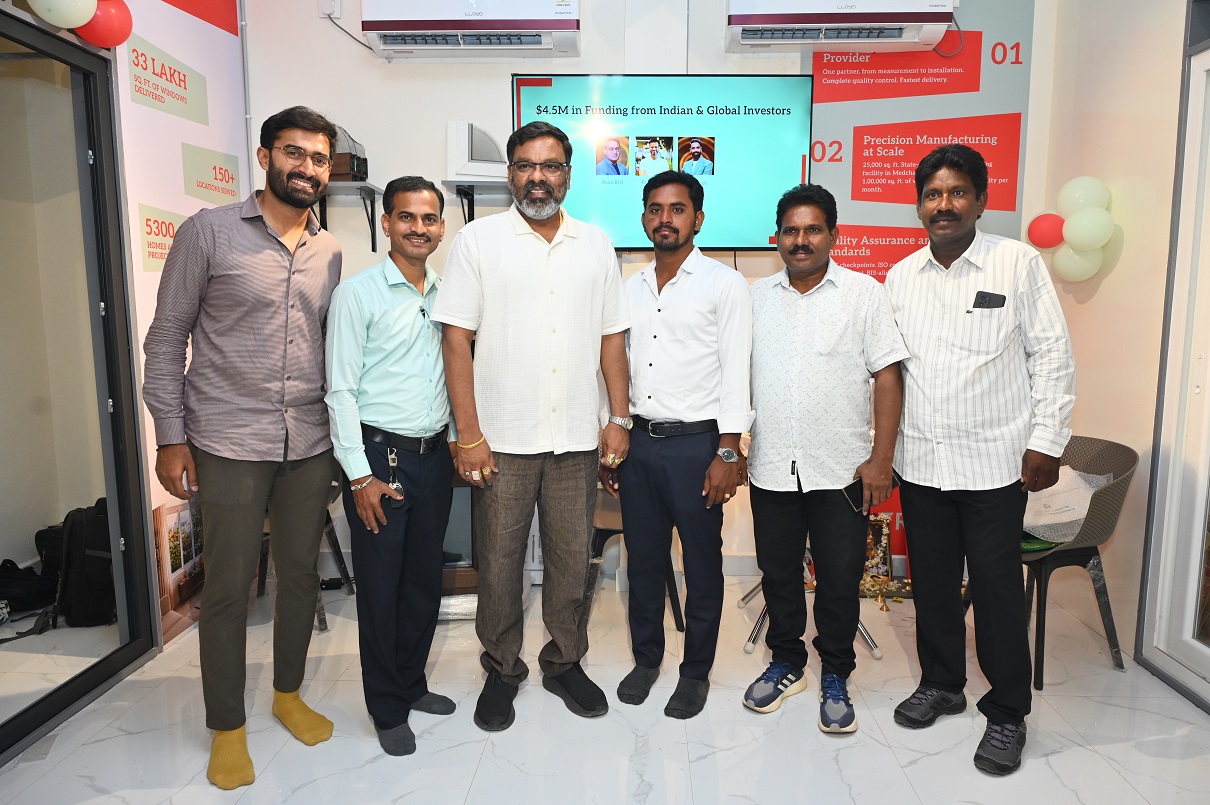
• IndiFrame has entered the Andhra Pradesh market with the launch of its first channel partner store in Kurnool in association with Varaahi Enterprises.
• The launch marks the company’s first dealer-led expansion under its new brand identity and forms part of a broader regional growth strategy across southern and western India.
• IndiFrame plans to open 10–15 channel partner stores across Andhra Pradesh, Telangana and Maharashtra over the next 12 months.
• The company is targeting Tier-II and Tier-III markets within India’s largely unorganised fenestration industry, which is estimated to be valued at INR 1.27 lakh crore.
• Kurnool has been identified as a strategic growth market due to ongoing infrastructure investment, residential construction activity and improving regional connectivity.Read more
Advertisement

14 hours ago
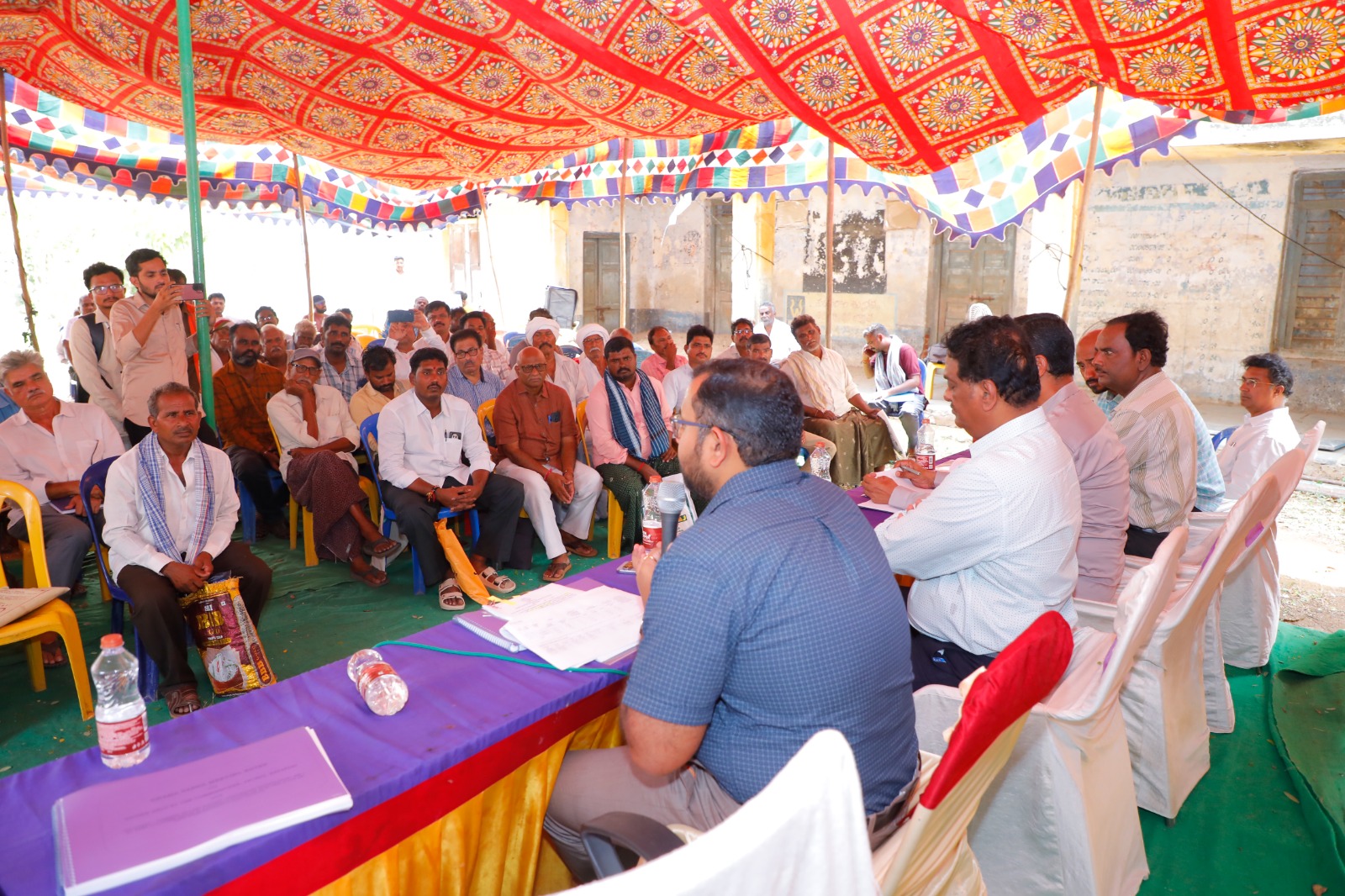
The Andhra Pradesh Capital Region Development Authority (APCRDA) conducted a Gram Sabha in Kuragallu as part of the ongoing land acquisition and land pooling activities for the Amaravati capital development project. Senior APCRDA officials informed villagers that farmers whose lands were included in the recent acquisition notification still have an opportunity to join the Land Pooling Scheme (LPS) within the prescribed timeline. Officials also reviewed infrastructure development plans for capital region villages and urged landowners to cooperate with the ongoing works. Farmers who received returnable plots were also asked to complete their registrations at designated local offices.Read more
15 hours ago
• MMRDA officials conducted a site inspection of the upcoming Chembur Metro station and nearby VN Purav Monorail station to review multimodal integration plans.
• The Chembur Metro station is expected to emerge as a key interchange point linking metro and monorail connectivity in eastern Mumbai.
• Authorities assessed operational preparedness, passenger movement and ease of interconnectivity between the two transport systems.
• The integration is aimed at improving travel access for commuters across Mumbai’s eastern suburbs and South-Central Mumbai.
• Officials stated that the initiative forms part of MMRDA’s broader vision of creating a seamless urban mobility network across the Mumbai Metropolitan Region.Read more

16 hours ago
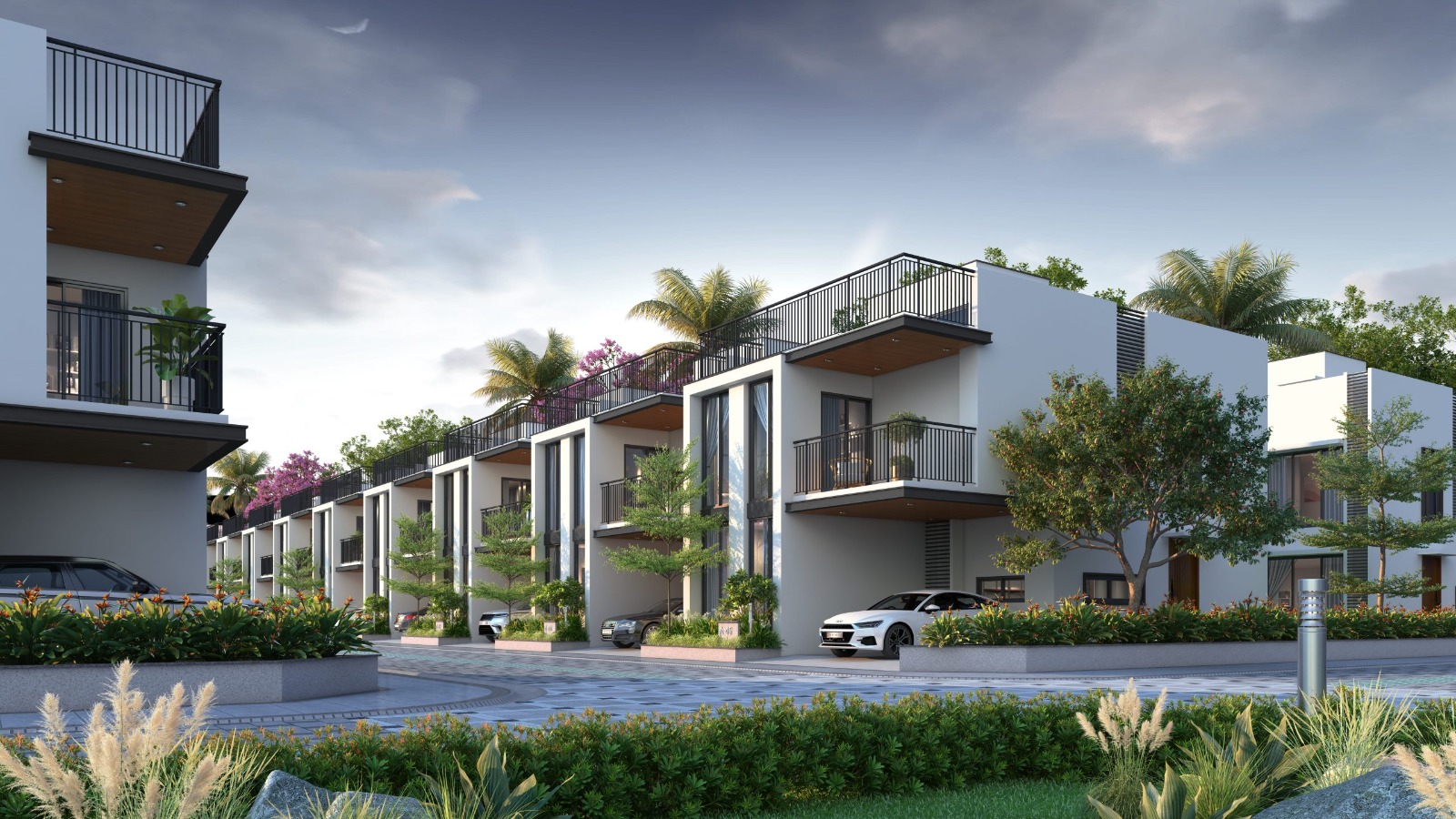
Casagrand Premier Builder Limited has expanded its residential portfolio in Chennai with the launch of two new housing projects across North and South Chennai. The developer introduced Casagrand Aquagrove, a waterfront luxury apartment community overlooking Puzhal Lake in Madhavaram, and Casagrand Glenmere, a villa community in Thaiyur along the OMR growth corridor. Together, the projects add more than 650 homes to the market across premium apartment and villa segments. The launches reflect rising demand for larger homes, lifestyle-focused communities and projects located near emerging infrastructure and employment hubs in Chennai.Read more
17 hours ago
Dubai’s ultra-luxury residential market has recorded a new benchmark after a five-bedroom villa in Al Barari was leased for AED 14 million over two years. The transaction, closed by fäm Properties, is now the highest rental deal recorded in the premium community, surpassing the earlier annual record by 46%. The villa, located in The Collection at Al Barari, was originally bought for AED 54 million and is delivering a yearly rental yield of 12.8%. The tenant, a Brazilian ultra-high-net-worth individual, sought a wellness-focused and private living environment, leading to an off-market leasing arrangement after limited suitable rental inventory was available in the community.Read more

18 hours ago
India’s commercial real estate sector is seeing a shift towards future-ready office hubs as businesses increasingly prioritise sustainability, employee wellbeing, smart infrastructure and operational efficiency. Developers are moving beyond traditional office spaces by creating integrated ecosystems with flexible layouts, AI-enabled systems, wellness-focused amenities and green-certified infrastructure. Industry experts believe demand is being supported by infrastructure growth, evolving workplace expectations and ESG-led corporate strategies. Reports by Savills India also indicate that modular and reusable office fit-outs can significantly reduce embodied carbon emissions, strengthening the focus on sustainable commercial development across major business districts.Read more

Advertisement

19 hours ago
• Housing prices across eight major Indian cities increased between 3% and 24% year-on-year during January–March 2026, according to PropTiger.
• Bengaluru recorded the highest annual appreciation at 24%, followed by Mumbai Metropolitan Region at 20% and Delhi-NCR at 18%.
• The report attributed the sustained price growth to stronger demand quality, controlled inventory levels and improving buyer confidence.
• Industry stakeholders highlighted infrastructure expansion, premium housing demand and economic activity as major drivers of price appreciation.
• Developers stated that key residential markets are increasingly witnessing end-user-driven growth rather than speculative demand.Read more

20 hours ago
• The Bombay High Court has allowed the BMC to proceed with termination of the lease of the Khanna Construction House property in Dadar after prolonged disputes among partners and legal heirs.
• Civic authorities stated that no common redevelopment proposal was submitted despite multiple court directions, while property tax arrears and lease violations remained unresolved.
• The BMC has said the property, already under civic possession following demolition of the dilapidated structure, will move towards redevelopment while protecting tenant and occupant rights.
• The dispute, dating back to 1973, involved redevelopment disagreements, tenancy claims and litigation over one of Dadar’s prominent old properties.Read more

21 hours ago
Mumbai’s metro network has introduced India’s first Automated Pantograph Condition Monitoring System, developed to strengthen predictive maintenance and improve operational efficiency. Implemented by MMRDA, the system replaces manual inspection methods with AI-based real-time monitoring using laser scanning, 3D imaging and machine learning. It reduces pantograph inspection time from about 30 minutes to a few seconds while improving fleet availability and maintenance efficiency by nearly 90–95%. The technology also enables early fault detection, continuous asset tracking and condition-based maintenance for better reliability and safety across Mumbai Metro operations.Read more

22 hours ago
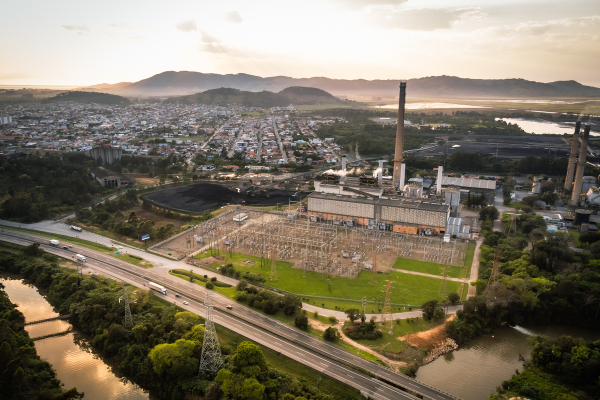
• Adani Group has secured Maharashtra government approval for an INR 70,000 crore coal gasification project.
• The project is among the state’s largest industrial investment proposals in the energy and manufacturing sector.
• It will focus on coal gasification and downstream industrial production activities.
• Officials cleared the proposal through the state’s investment facilitation mechanism.
• The project is expected to support industrial expansion, manufacturing capacity and employment generation in Maharashtra.Read more
29 May 2026
• Brihanmumbai Municipal Corporation has proposed third-party structural audits for heritage buildings across Mumbai.
• The move aims to assess stability and safety of ageing structures ahead of the monsoon season.
• Officials are considering independent technical evaluations to improve transparency in structural assessments.
• Concerns over deterioration, delayed repairs and monsoon-related risks prompted the proposal.
• Mumbai has a large stock of heritage and old cessed buildings across key urban precincts.Read more

Advertisement

29 May 2026
The Brihanmumbai Municipal Corporation (BMC) has initiated the process of taking over 41 transport structures, including 27 flyovers, from the Maharashtra State Road Development Corporation (MSRDC) in Mumbai following repeated complaints over potholes and maintenance lapses. The proposed transfer covers flyovers, foot overbridges, pedestrian underpasses and junctions spanning nearly 20.25 km across the city. Civic officials have sought maintenance funds, technical documents and advertisement rights before assuming control. The move follows recurring disputes over accountability for deteriorating road conditions on key arterial corridors.Read more

29 May 2026
• Johnson Lifts has acquired 39 acres near Chennai for INR 125 crore to support future expansion plans.
• The land will be used for manufacturing and operational requirements as demand in the elevator sector grows.
• Officials said the acquisition will help expand capacity and infrastructure.
• The deal adds to rising industrial land transactions around Chennai, which continues attracting manufacturing and engineering investments.Read more

29 May 2026
• A Borivali East cooperative housing society has secured interim relief from the Bombay High Court in a dispute concerning public access through its premises.
• The court restrained authorities from acting on a civic communication related to parking and access on a proposed Development Plan (DP) road passing through the society land.
• The matter involves concerns around emergency vehicle movement, parking management and the status of the proposed road alignment within the residential complex.Read more

29 May 2026
A recent inspection by the Commission for Air Quality Management (CAQM) found 24 cases of excessive road dust and improper construction and demolition waste handling across Ghaziabad. The inspection highlighted gaps in mechanised road sweeping, water sprinkling and waste disposal measures being carried out by civic authorities. CAQM has directed local agencies to strengthen dust mitigation efforts and improve monitoring across pollution hotspots. The development comes as Ghaziabad continues to face air quality concerns linked to road dust, construction activity and rapid urban infrastructure growth across the NCR region.Read more

29 May 2026
Australia’s government has introduced a bill in parliament to overhaul long-standing property tax concessions and capital gains rules as part of a broader push to improve housing affordability. The proposed reforms include removing the 50% capital gains tax discount on assets held for more than a year and restricting negative gearing benefits to newly built homes from July 2027. The changes have sparked political debate and concern among investors and industry groups, while the government maintains the measures are aimed at helping first-home buyers and increasing new housing supply in one of the world’s least affordable housing markets.Read more

Advertisement

29 May 2026
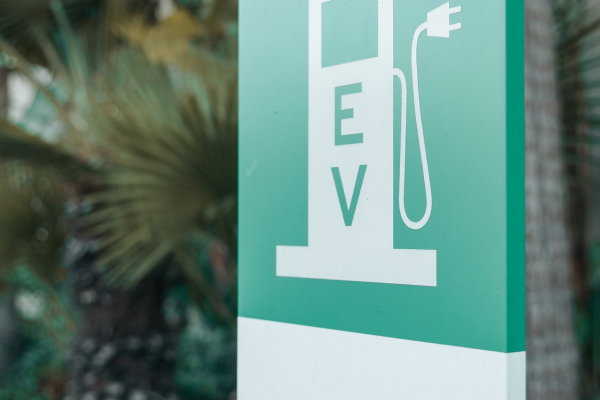
• Maharashtra has introduced a new electric vehicle policy focused on accelerating EV adoption, charging infrastructure and domestic manufacturing across the state.
• The policy includes purchase subsidies, toll and tax exemptions, EV-ready building norms and highway charging corridors.
• The state also plans to strengthen EV battery recycling, research, skill development and clean mobility infrastructure through coordinated implementation across multiple government departments.Read more
29 May 2026
Air India and IndiGo have reduced planned domestic flight operations for the coming months as rising aviation turbine fuel prices and operational disruptions increase cost pressures on airlines. Air India has cut domestic capacity by around 22% for June and July, while IndiGo has scaled back portions of its planned schedule for the summer quarter. The reductions follow a sharp increase in fuel prices linked to geopolitical tensions in West Asia and airspace restrictions affecting airline operations. Industry officials said the cuts could lead to tighter seat availability and higher domestic airfares during the peak travel season.Read more

29 May 2026
• India plans to monetise 28 national highway assets spanning over 1,800 km during FY27.
• The National Highways Authority of India aims to raise nearly INR 35,000 crore through InvIT and TOT models.
• Haryana and Uttar Pradesh account for the highest number of highway stretches identified for monetisation.
• The programme forms part of the government’s broader infrastructure asset recycling and funding strategy under NMP 2.0.Read more

29 May 2026
CoStar Group is set to acquire US housing market data and analytics firm Zonda from MidOcean Partners in a deal valued at nearly USD 800 million. The acquisition is expected to strengthen CoStar’s position in residential real estate data, homebuilding analytics and digital property research. Zonda is widely known for tracking housing starts, land supply, new home sales and builder activity across the US housing sector. The deal comes as CoStar continues expanding beyond commercial real estate through strategic acquisitions and investments in property technology, online marketplaces and residential housing platforms.Read more

29 May 2026
• The Enforcement Directorate conducted searches at multiple locations linked to former Kerala CM Pinarayi Vijayan in the CMRL case.
• Raids covered residences of Vijayan’s family members, senior officials and entities linked to alleged financial transactions.
• The probe relates to alleged payments made by Cochin Minerals and Rutile Ltd to Exalogic Solutions, linked to Vijayan’s daughter.
• Political tensions escalated in Kerala after protests erupted outside locations searched by ED officials.Read more

Advertisement

29 May 2026
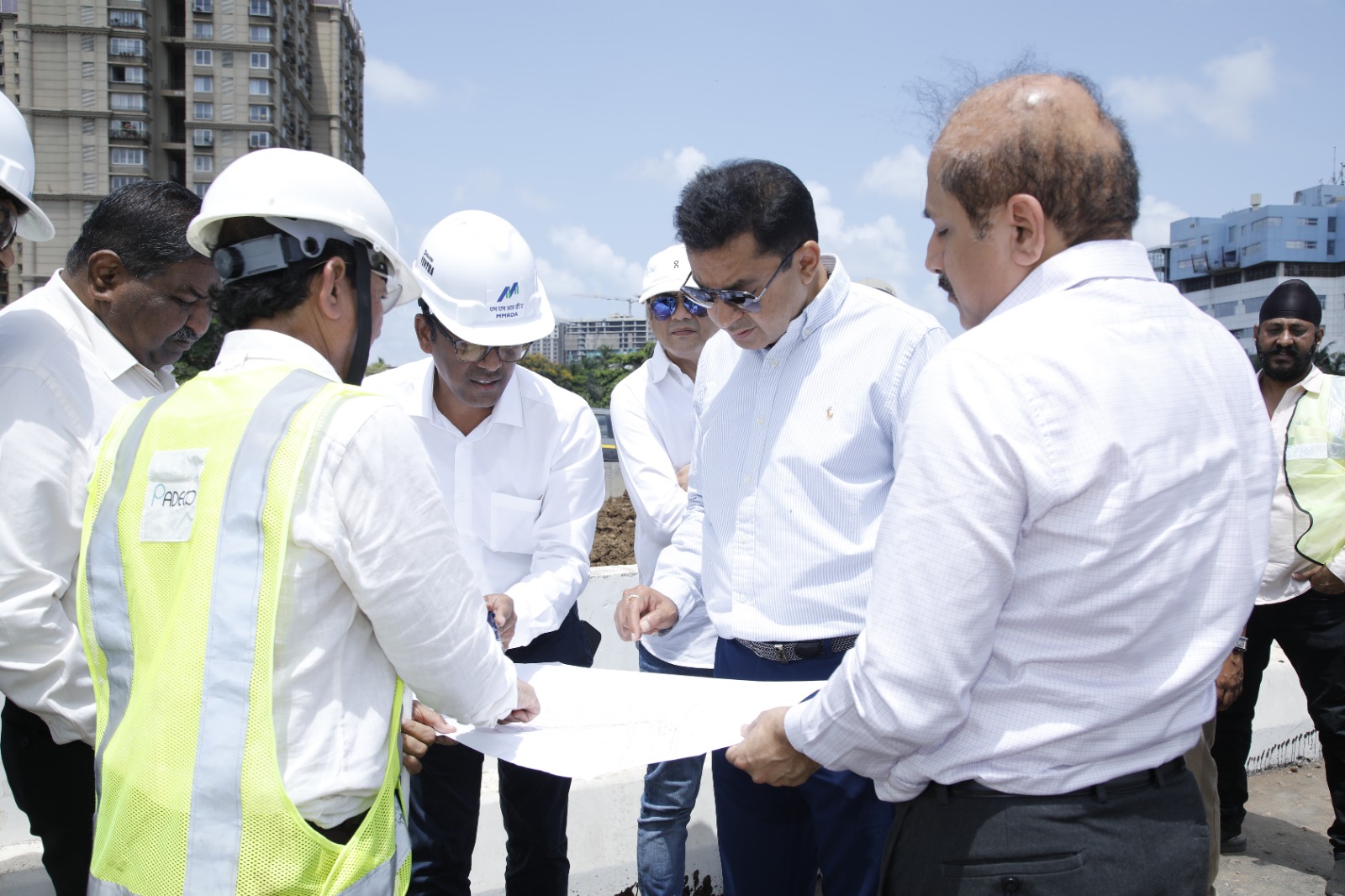
The Mumbai Metropolitan Region Development Authority (MMRDA) has accelerated efforts to complete Phase 2 of the Santacruz-Chembur Link Road (SCLR), with nearly 98% of the physical work already finished. Metropolitan Commissioner Dr. Sanjay Mukherjee recently reviewed progress at the BKC-Vakola connector and directed officials and contractors to speed up the remaining work while maintaining construction quality and safety standards. Once operational, the final phase of the corridor is expected to improve east-west connectivity across Mumbai by linking major highways and commercial hubs, while also reducing travel time by nearly 35 minutes and easing congestion on key roads.Read more
29 May 2026
• Development Bank of Japan has invested in HDFC Capital Advisors’ H-DREAM Fund focused on affordable and mid-income housing projects in India.
• The investment marks DBJ’s first partnership with HDFC Capital and supports residential developments across multiple Indian cities.
• HDFC Capital said the fund will provide long-term capital for housing projects amid rising urban housing demand and financing needs.
• The partnership is expected to strengthen institutional participation in India’s affordable housing and real estate investment segment.Read more

29 May 2026
The Brihanmumbai Municipal Corporation is evaluating construction of holding ponds and diversion of stormwater drains as part of a broader plan to reduce chronic flooding at the Andheri subway before future monsoon seasons. According to civic officials and multiple media reports, the proposed intervention could involve temporary storage ponds capable of holding excess rainwater near the subway during heavy rainfall events. Officials stated that nearly three potential sites have been identified for the project, while alternative engineering measures, including diversion of stormwater flow from the Jogeshwari area, are also under consideration. The civic body acknowledged that the flooding issue may persist this monsoon as long-term mitigation works remain under evaluation and planning stages.Read more
29 May 2026
• Mehta Realty has launched Mehta Angelo, a Grade-A commercial project in East Goregaon, Mumbai, aimed at supporting both current and future business expansion needs.
• The development offers 35,000 sq. ft of office space across a seven-storey structure, with unit sizes ranging from 445 sq. ft to 4,919 sq. ft.
• Designed with efficient layouts and open-plan spaces, the project allows businesses to customise offices based on operational requirements.
• Located in a well-connected commercial belt, it provides access to rail, metro, and major road networks, including proximity to key business hubs.
• The project also includes sustainability features such as LEED Gold pre-certification, energy-efficient systems, and water conservation measures.Read more

29 May 2026
Sirius Real Estate has notarised the acquisition of a defence-supported business park in Fulda, Germany, for EUR 49.8 million. The deal adds to the company’s growing portfolio of business and industrial parks across Germany and the UK. The property is linked to defence sector activity, a segment that has continued to see stable demand amid rising government spending across Europe. The acquisition comes as Sirius Real Estate continues to focus on income-generating assets with long-term occupancy potential and strategic regional importance in Germany’s commercial real estate market.Read more

Advertisement

29 May 2026
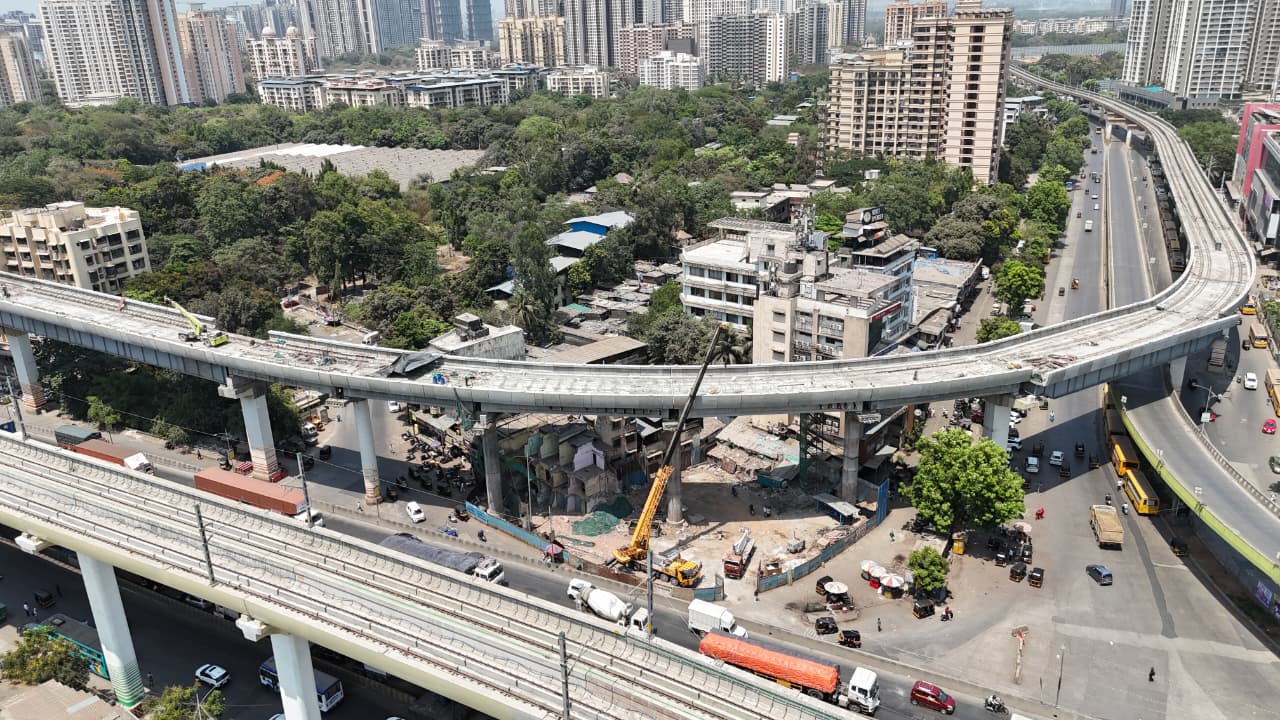
The Mumbai Metropolitan Region Development Authority (MMRDA) has expanded Metro Line 5 into one of the largest metro corridors in the Mumbai Metropolitan Region (MMR), increasing its total length to 34.21 km after the approval of the 11.83-km Metro Line 5A extension. The project, estimated at INR 18,130 crore, will strengthen connectivity across Thane, Bhiwandi, Kalyan, Ulhasnagar and nearby growth centres. Authorities said Phase 1 of the corridor is moving towards the Commissioner of Metro Railway Safety (CMRS) inspection stage and is expected to open by the end of the year. The corridor is expected to reduce travel time, improve integration with suburban rail and highways, and support industrial and residential growth across the eastern MMR belt.Read more
29 May 2026
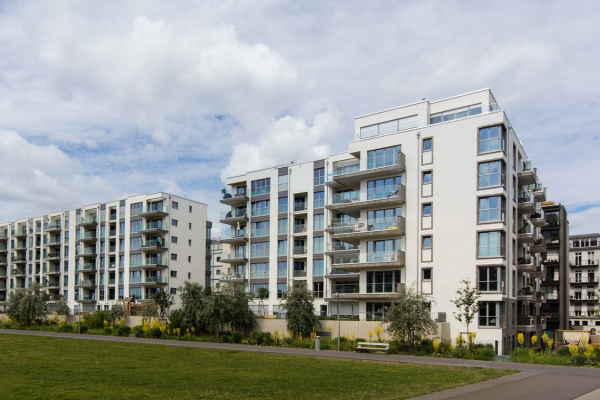
Grovy India Ltd has announced the acquisition of a premium luxury residential project in Defence Colony, New Delhi, strengthening its presence in the capital’s high-end housing segment. The company disclosed the development in a regulatory filing during the past week. Defence Colony remains one of Delhi’s established upscale residential markets, known for limited land availability and strong demand for luxury housing. The acquisition comes at a time when developers are increasingly focusing on premium and redevelopment-led projects in prime urban locations across Delhi-NCR amid steady demand from affluent buyers and investors.Read more
29 May 2026
• Disputes linked to old pagdi tenancy agreements and redevelopment interests are intensifying across parts of Mumbai amid rising redevelopment activity in ageing residential buildings.
• The issue resurfaced following complaints involving an elderly resident, caretakers, landlords and tenancy-related disagreements in a South Mumbai building operating under the pagdi system.
• Residents and legal experts stated that conflicts involving inheritance rights, redevelopment stakes, access arrangements and caretaker influence are becoming increasingly common in older tenanted properties.
• According to legal observers and multiple reports, courts and authorities are being required to balance property rights, redevelopment interests and welfare concerns of elderly tenants in such disputes.Read more
29 May 2026
Vietnam-based Vingroup’s EV charging arm V-Green has partnered with ChargeZone to develop a co-branded EV charging network for VinFast customers in India. The collaboration marks VinFast’s first charging partnership with an Indian charge point operator as the company prepares to expand its presence in the country’s electric mobility market. Around 15 charging stations have already become operational, while nearly 100 more stations are planned over the next six months. The partnership aims to improve charging accessibility, strengthen EV infrastructure and support growing electric vehicle adoption across major locations in India.Read more
29 May 2026
Brihanmumbai Municipal Corporation has completed only 62% of the Mithi river desilting work despite the approaching monsoon preparedness deadline in Mumbai. With just days remaining before the onset of heavy rainfall, concerns are rising over flooding risks in low-lying and river-connected areas across the city. Civic officials cited operational and logistical hurdles for the delay. The Mithi river remains central to Mumbai’s stormwater drainage network, making timely desilting critical for reducing waterlogging and maintaining flow capacity during the monsoon season.Read more

Advertisement



Advertisement