Advertisement






Follow us on Instagram, Facebook, YouTube, X, Spotify, Amazon Music, Apple Music and more.
What really powers the cloud? Behind every Google search, A...
A lot of what defines a home isn’t visible at handover. I...
Private equity has played a significant role in shaping Indi...
Luxury real estate is one of the most talked-about segments ...
Airports play a much bigger role than just enabling travel -...
3 minutes ago
The Grand Cliff Resort in Munnar has received the Government of India's 5-star classification after undergoing a detailed evaluation of its facilities, service standards, operations, sustainability practices and guest experience. The recognition places the property among Kerala's highest-rated hospitality destinations. Along with its luxury offerings, the resort has also focused on responsible tourism, gender-inclusive initiatives, environmental conservation and community development. It has hosted international events and dignitaries, while continuing to promote sustainable tourism and local cultural preservation in the Munnar region.Read more

33 minutes ago
• The Delhi government has initiated an investigation into alleged irregularities involving building plans approved by the Municipal Corporation of Delhi (MCD) without mandatory Infrastructure Charges (IFC) payments.
• The inquiry follows concerns that several approvals may have been granted despite pending payments, potentially involving financial implications estimated at around INR 2,000 crore.
• The government is examining approval records, payment compliance and the role of officials involved in the clearance process.
• Authorities have indicated that buildings found to have violated applicable norms may face regulatory action, including possible sealing proceedings.Read more

1 hour ago
Kolte-Patil Developers reported sales bookings of INR 617 crore during the April–June quarter of FY2026–27, broadly unchanged from the corresponding period a year earlier, reflecting stable demand across its residential portfolio. While pre-sales remained flat, the company recorded a 29% increase in average sales realisation to INR 9,442 per sq ft, supported by strategic price revisions and a greater contribution from Mumbai projects. The developer also launched 0.78 million sq ft during the quarter and reported a 30% rise in customer collections to INR 715 crore, indicating continued execution across its ongoing developments. Mumbai accounted for nearly one-third of the quarter's sales value, highlighting its increasing significance within the company's portfolio.Read more

1 hour ago
National Real Estate Company KPSC has approved the execution of a memorandum of understanding (MoU) for the sale of two land plots in Abu Dhabi. The proposed transaction has a total purchase consideration of AED 400 million and marks a significant asset monetisation move by the Kuwait-based real estate company. While the company has not disclosed details such as the buyer, the exact location of the land plots or the expected completion timeline, the deal is subject to the execution of the MoU and any required approvals.Read more

2 hours ago
Tata Consultancy Services (TCS) has expanded its artificial intelligence innovation network by launching a Gemini Experience Centre in Kolkata in partnership with Google Cloud. The facility is the company's third such centre in India and is designed to help consumer-focused businesses develop and deploy AI solutions. The centre will cater to sectors including retail, consumer packaged goods, travel, tourism and hospitality. TCS also plans to establish 10 Gemini Experience Centres globally by the end of 2026, with four of them located in India, as part of its broader AI expansion strategy.Read more

Advertisement

2 hours ago
India's primary market is set for another active week with four public issues scheduled to open for subscription, including the INR 5,000 crore Infrastructure Investment Trust (InvIT) issue of Cube Highways Trust and the initial public offerings of Indo MIM, Lohia Corp and Xtranet Technologies. The issues are expected to attract investor interest across infrastructure, manufacturing and technology sectors. Cube Highways Trust has already secured INR 1,250 crore from strategic investors ahead of its public issue, while the three IPOs collectively represent fundraising across precision engineering, technical textiles and information technology. So far this year, 32 companies have entered the primary market through maiden public offerings, with another IPO currently open for subscription.Read more

3 hours ago
Residents of Balkum, Kolshet and Dhokali in Thane staged a protest against Amazon's proposed 53-acre data centre, citing concerns over water consumption, electricity demand, noise pollution and environmental impact. The demonstrators alleged that the facility could affect nearby residential neighbourhoods, schools and hospitals and claimed discussions with civic authorities and Amazon had not resolved their concerns. Amazon rejected the allegations, stating that the project complies with all environmental regulations and will operate using a dedicated high-voltage power substation rather than the local electricity grid. The company also said the facility would not use community drinking water for cooling and that compensatory plantation is being undertaken for trees removed from the site.Read more

3 hours ago
A landslide in Pengshui county of Chongqing in south-western China has claimed eight lives, while 34 people remain missing despite ongoing search and rescue operations. The incident occurred during the evacuation of residents after local authorities detected signs of slope instability. The landslide destroyed several residential buildings and forced the evacuation of more than 1,000 people from surrounding areas. Chinese President Xi Jinping has directed authorities to intensify rescue efforts and investigate the cause of the disaster. Emergency response teams, firefighters and rescue personnel have been deployed as operations continue.Read more

4 hours ago
• Prime Minister Narendra Modi will visit Haryana, Chandigarh and Punjab on July 17 to launch and inaugurate development projects worth around INR 25,000 crore, spanning railways, highways, healthcare, education and urban infrastructure.
• The Prime Minister will flag off India's first hydrogen-powered passenger train between Jind and Sonipat, making India one of the few countries to operate hydrogen-powered rail services using indigenous technology.
• The visit will also include the inauguration and foundation laying of major expressways, highways, hospitals, railway stations and educational infrastructure aimed at improving connectivity and public services across the three states.
• Among the key projects are the Delhi-Amritsar-Katra Expressway, 75 redeveloped Amrit Bharat railway stations, new rail lines, advanced healthcare facilities at PGIMER Chandigarh, and multiple National Highway projects.Read more

4 hours ago
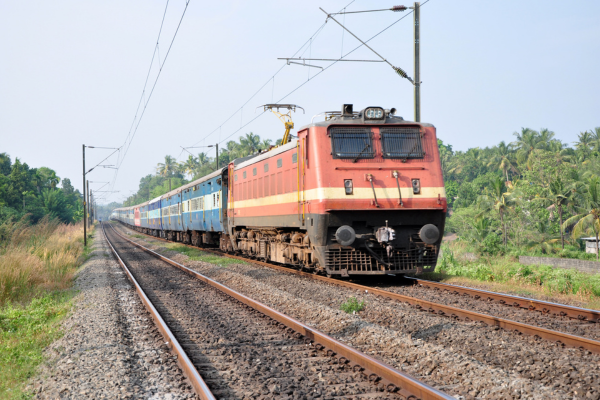
• Indian Railways will launch its first indigenous hydrogen-powered train on 17 July 2026, with operations commencing on the Jind–Sonipat section of Northern Railway, marking a significant milestone in the country's transition towards sustainable rail transport.
• Powered by a 1,200 kW hydrogen fuel cell propulsion system, the 10-coach train can accommodate around 2,600 passengers and generates electricity onboard using hydrogen, producing only water vapour and heat as by-products.
• Supporting the project is India's largest railway hydrogen storage and refuelling facility at Jind, capable of storing nearly 3,000 kg of hydrogen, along with dedicated safety, monitoring and maintenance infrastructure.
• The pilot project aligns with the National Green Hydrogen Mission, promoting clean mobility, indigenous technology and reduced dependence on fossil fuels while laying the foundation for wider adoption of hydrogen-powered trains.Read more
Advertisement

5 hours ago
• L&T Realty has acquired a 2.5-acre land parcel in Central Delhi for around INR 200 crore, marking its entry into one of the capital's most premium residential micro-markets.
• The company plans to develop a luxury housing project on the site, targeting the growing demand for high-end residences in central parts of Delhi.
• The acquisition strengthens L&T Realty's presence in North India and expands its portfolio beyond its established markets of Mumbai, Bengaluru and Chennai.
• The project is expected to capitalise on limited land availability and strong buyer demand for premium homes in central Delhi.Read more

5 hours ago
• A tower crane collapsed from the 13th floor of an under-construction high-rise in Mira Road, Mumbai Metropolitan Region, resulting in one fatality and injuries to three people.
• The crane fell into the parking area of a residential complex, crushing several parked vehicles and triggering a large-scale rescue operation.
• Police, fire brigade personnel and emergency responders reached the site soon after the incident and shifted the injured to hospital.
• Authorities have launched an investigation to determine the cause of the collapse and assess compliance with construction safety norms.Read more

5 hours ago
India's expanding cities have created an unusual phenomenon where a single locality, road or landmark is commonly associated with two different cities at the same time. As municipal boundaries expand, metropolitan regions merge and urban development stretches beyond administrative limits, several well-known addresses now carry dual identities. Some are officially located in one city but are popularly associated with another, while others straddle district or municipal borders altogether. Here are nine Indian addresses that simultaneously belong to two cities in the minds of residents, businesses and even visitors.Read more

Advertisement






6 hours ago
Titijaya Land Bhd has received permission from the High Court to proceed with its judicial review application, marking a key development in the ongoing legal matter. The court also extended the interim stay order that had been granted earlier, allowing the existing position to remain until the case progresses further. While the company has not disclosed additional details on the dispute, the latest ruling enables the judicial review to move forward. The matter is expected to continue through the legal process, with further updates likely as the court hears the substantive application.Read more

6 hours ago
• Madhya Pradesh has completed India's longest underground irrigation tunnel, a 12.2-km engineering structure that will carry Narmada river water to the drought-prone Vindhya region after nearly 18 years of construction.
• The tunnel forms a critical component of the Bargi Diversion Project, linking the Narmada and Son river basins to expand irrigation across six districts of the state.
• Developed through challenging geological conditions using tunnel boring technology, the project is expected to improve water availability for agriculture and strengthen irrigation infrastructure.
• The completion marks a significant milestone in the state's long-term water resource management strategy and inter-basin water transfer programme.Read more

Advertisement

6 hours ago
• The Reserve Bank of India (RBI) has issued new directions prohibiting banks and non-banking financial companies (NBFCs) from selling repossessed immovable properties back to defaulting borrowers or their related parties.
• The revised norms require lenders to dispose of such assets within seven years of acquisition, with limited extensions allowed under specified conditions.
• The framework aims to improve transparency in the disposal of stressed assets, strengthen recovery practices and discourage borrowers from regaining assets after default.
• The guidelines form part of RBI's broader framework governing the acquisition, management and disposal of assets recovered through loan defaults.Read more

7 hours ago
• The Supreme Court has directed that contempt petitions alleging violations of its 2024 guidelines on demolition drives, commonly referred to as 'bulldozer justice', be transferred to the respective High Courts.
• The apex court observed that such cases involve disputed questions of fact that are better examined by jurisdictional High Courts.
• The Court clarified that its earlier safeguards against arbitrary demolitions remain in force and that interim protection granted in pending matters will continue until the High Courts consider them.
• The ruling shifts the adjudication of alleged non-compliance with the Supreme Court's demolition guidelines to constitutional courts at the state level.Read more

7 hours ago
CA Immobilien Anlagen AG (CA Immo) has signed another lease agreement for around 1,500 square metres of office space at its CIELO office building in Dusseldorf. The latest transaction comes as the company continues to strengthen occupancy at the premium office asset while advancing its strategy of repositioning the property as a multi-tenant office building. Earlier this year, the company had already secured multiple lease agreements at the same property, reflecting continued demand for quality office spaces in Dusseldorf's central business district despite a challenging commercial real estate market.Read more

8 hours ago
The Delhi government has initiated trials of spray injection road patching technology as part of its efforts to improve road maintenance and address potholes more efficiently, including during the monsoon season. Public Works Department (PWD) Minister Parvesh Sahib Singh recently witnessed a live demonstration of the fully mechanised repair system, which enables permanent pothole repairs in wet conditions while minimising traffic disruption. The technology repairs individual potholes within two to five minutes and allows roads to reopen immediately after completion. Officials said the process provides longer-lasting repairs than conventional cold mix methods, which often deteriorate within weeks. Following the trial, the government will assess the technology's performance before considering its wider adoption across Delhi's road network to strengthen maintenance practices and improve commuter safety.Read more

8 hours ago
• The Union Cabinet has approved two elevated corridor projects worth INR 25,445.96 crore to improve traffic flow, strengthen regional connectivity and reduce congestion in Varanasi.
• The projects comprise a 46.04-km Ganga corridor and a 43.22-km Varuna corridor, both to be developed under the Hybrid Annuity Model (HAM) by NHAI.
• The corridors will improve access to transport hubs, religious landmarks and logistics nodes while cutting travel time across the city.
• The integrated projects are expected to support tourism, freight movement and long-term economic development in eastern Uttar Pradesh.Read more
Advertisement

9 hours ago
The Delhi Metro Rail Corporation (DMRC) will undertake a feasibility study for a proposed double-decker corridor integrating a metro viaduct with a road flyover between Keshav Puram and Rohini Sector 34 in north-west Delhi. The proposal forms part of the approved 16.29-km metro corridor under Delhi Metro Phase IV and seeks to optimise limited urban space while improving road and metro connectivity. The study will assess the project's technical and financial viability, engineering requirements and traffic integration before a final decision is taken. If found feasible, the corridor would become another example of integrated transport infrastructure in the Capital, supporting more efficient land utilisation and reducing the need for separate elevated structures.Read more

9 hours ago
Mukand Ltd, part of the Bajaj Group, has signed a term sheet to sell nearly nine acres of land in Kalwa, Thane, to AGP DC Infra Private Ltd for approximately INR 506 crore. The transaction marks another significant land monetisation deal in the Mumbai Metropolitan Region, where industrial land parcels continue to attract strong developer interest. The proposed sale is expected to unlock value from Mukand's non-core assets while providing AGP DC Infra with a strategically located development opportunity.Read more

10 hours ago
The Uttarakhand High Court has quashed a District Magistrate's order directing the issuance of a fire No Objection Certificate (NOC) to a residential project in Dehradun, ruling that key fire safety concerns required a more thorough examination. The court observed that the appellate authority had not adequately assessed the deficiencies identified by fire officials before granting relief to the developer. It has remanded the matter to the District Magistrate for a fresh decision after hearing all stakeholders, underscoring that fire safety compliance cannot be diluted through procedural oversight.Read more

10 hours ago
• Brigade Hotel Ventures Limited (BHVL) plans to invest around INR 1,100 crore to develop three Hyatt-branded hotels in Chennai, strengthening its hospitality portfolio and expanding its presence in South India's premium hotel market.
• The projects include Grand Hyatt Chennai ECR, Hyatt Regency Chennai and Hyatt Place Chennai OMR, collectively adding nearly 600 keys to the city's hospitality inventory over the next few years.
• Grand Hyatt Chennai ECR, expected to open in 2029, will feature about 200 rooms, multiple dining venues, wellness facilities and extensive MICE infrastructure, targeting business travellers, leisure guests and destination weddings.
• The expansion aligns with BHVL's long-term growth strategy and Hyatt's India expansion plans, reflecting growing demand for premium branded hotels driven by business travel, tourism and large-scale events in Chennai.Read more

11 hours ago
• Amazon Web Services (AWS) has commenced construction of a new data centre campus in Hyderabad as part of its planned USD 21 billion investment in cloud infrastructure across India by 2030.
• The Hyderabad facility will expand AWS's cloud capacity to meet growing demand from enterprises, startups and public sector organisations adopting digital technologies and artificial intelligence.
• The investment is expected to strengthen India's digital infrastructure while supporting economic activity, job creation and technology innovation.
• The new campus forms part of AWS's long-term strategy to expand cloud infrastructure in India and support the country's growing digital economy.Read more

Advertisement

11 hours ago
• The Karnataka government has released a draft Apartment Ownership Bill aimed at replacing the existing legal framework governing apartment ownership and management.
• The proposed legislation seeks to strengthen the rights of apartment owners while introducing greater accountability for developers and resident associations.
• Citizens, housing associations and industry stakeholders have been invited to submit feedback before the Bill is introduced in the State Legislature.
• The government says the legislation is intended to address long-standing issues related to maintenance, common areas, governance and dispute resolution in apartment complexes.Read more

12 hours ago
• The Kazipet Rail Manufacturing Unit in Telangana is nearing completion and will begin manufacturing 200 next-generation intercity trains over the next five years, Union Railway Minister Shri Ashwini Vaishnaw announced.
• The trains are being designed for short-distance travel of around 300 km with frequent stops, offering improved regional connectivity between towns and cities.
• The new fleet will feature modern passenger amenities, energy-efficient technologies and enhanced safety systems to support affordable and sustainable rail transport.
• The manufacturing unit is expected to strengthen India's rolling stock production capacity while supporting the expansion of regional passenger rail services across the country.Read more

12 hours ago
The Uttar Pradesh Real Estate Regulatory Authority (UP RERA) has introduced new regulations requiring promoters to maintain separate bank accounts for Interest-Free Maintenance Security (IFMS) funds collected from homebuyers. The rules also mandate that the entire maintenance corpus, including accrued interest, be transferred to the Residents' Welfare Association (RWA) or Association of Allottees once it takes over maintenance responsibilities. The move aims to improve financial transparency, protect homebuyers' interests and ensure proper management of maintenance funds.Read more

13 hours ago
SEGRO has strengthened its leasing activity by signing three new agreements covering around 540,000 square feet at SEGRO Park Coventry. The deals include facilities for Volvo Group UK, DIRKS Consumer Logistics and GigaCloud Technology, adding GBP 6 million in annual rental income. The new leases form part of the GBP 53 million in new rent secured by the company during the first half of 2026. The developments will expand the park's occupied space, support logistics operations, create employment opportunities and reinforce SEGRO's industrial and warehousing portfolio across the UK.Read more

13 hours ago
Thousands of documents reportedly linked to the Kudankulam Nuclear Power Plant (KKNPP) have been exposed following an alleged ransomware attack, prompting an investigation by Indian authorities into the cybersecurity incident. The leaked material is said to include technical drawings, contractor records and project-related documents associated with the plant's expansion works. While officials have confirmed that the incident is being examined, the Nuclear Power Corporation of India Limited (NPCIL) has stated that no nuclear safety or security systems have been affected. The breach has renewed attention on the cybersecurity of India's critical infrastructure as the country continues to expand its nuclear power capacity.Read more

Advertisement

14 hours ago
NPCIL and NTPC Ltd's joint venture, Ashvini, is set to invite bids for an Engineering, Procurement and Construction (EPC) contract worth approximately INR 28,000 crore for the nuclear island package of the Mahi Banswara Rajasthan Atomic Power Project. The tender marks a significant milestone in India's nuclear power expansion, with the project expected to strengthen clean energy capacity and support long-term electricity demand. The development also creates substantial opportunities for engineering, construction and infrastructure companies.Read more
14 hours ago
The International Financial Services Centres Authority (IFSCA) has released the report of its Expert Committee on the development of Real Estate Investment Trusts (REITs) and Infrastructure Investment Trusts (InvITs) in GIFT IFSC, outlining a comprehensive roadmap to strengthen the international financial centre as a global platform for real estate and infrastructure financing. The committee, chaired by former SEBI Whole Time Member Ananta Barua, has recommended regulatory, taxation and inter-regulatory reforms, alongside new investment products, to attract long-term domestic and foreign capital. The report also proposes introducing Mortgage REITs, enabling global and mixed REIT structures, improving capital-raising mechanisms, and creating tax parity with SEBI-regulated investment trusts. The recommendations are intended to support India's long-term infrastructure financing needs and expanding real estate sector by encouraging greater participation from global institutional investors.Read more

15 hours ago
Kuwait Business Town Real Estate has renewed its Murabaha financing facility agreement with a foreign bank, maintaining an Islamic financing arrangement worth GBP 30.240 million. The renewal ensures the company continues to have access to Shariah-compliant funding to support its financial requirements. Murabaha financing is widely used in Islamic banking as an alternative to conventional interest-based lending. The company has not disclosed the identity of the lending bank or provided details on the tenure, repayment structure, or intended use of the renewed facility.Read more

15 hours ago
• The Telangana High Court has stayed the Greater Hyderabad Municipal Corporation's (GHMC) proposed demolition action against the BLISS residential project in Somajiguda after the developer challenged a show-cause notice.
• The dispute centres on GHMC's allegation that parts of the project fall within the Full Tank Level (FTL) and buffer zone of Bum-Rukn-ud-Daula Lake, violating planning and environmental norms.
• Pradeep Constructions has argued that the project was undertaken after obtaining the necessary statutory approvals and sought judicial intervention against coercive action.
• The High Court has directed authorities to maintain the status quo until the matter is heard further, with the case expected to shape future enforcement of lake protection regulations in Hyderabad.Read more

16 hours ago
• KEC International has secured new orders worth INR 1,180 crore across its Transmission and Distribution (T&D), Civil and Cables businesses.
• The order book includes the company's first T&D project for a data centre, marking its entry into a new infrastructure segment alongside transmission projects in India and overseas.
• The Civil business has received orders for residential projects from private developers, while the Cables division has won supply contracts in both domestic and international markets.
• The latest contracts strengthen KEC International's order pipeline and reflect continued demand across India's power, urban infrastructure and real estate sectors.Read more

Advertisement

16 hours ago
• The Cabinet Committee on Economic Affairs (CCEA) has approved two railway capacity expansion projects worth approximately INR3,907 crore to strengthen rail infrastructure in Odisha and Jharkhand.
• The approved projects include the doubling of the Paradeep–Haridaspur line and the fourth railway line between Rajkharsawan and Dangoaposi, adding around 145 km to the Indian Railways network.
• The projects will improve connectivity to nearly 1,526 villages with a combined population of around 14 lakh, while boosting freight movement and access to key tourist destinations.
• The capacity enhancement is expected to support an additional 44 million tonnes of freight annually, reduce logistics costs, save fuel and lower carbon emissions, in line with the PM Gati Shakti National Master Plan.Read more

17 hours ago
ACME Solar has secured long-term project financing of INR 2,646.64 crore from state-owned REC Ltd to develop a 450 MW/1,800 MWh Firm and Dispatchable Renewable Energy (FDRE) project. REC will act as the sole lender for the project with a 20-year financing tenure. The project combines solar power, wind energy and Battery Energy Storage Systems (BESS) to provide reliable and dispatchable renewable electricity during periods of peak demand. ACME Solar has also signed a 25-year Power Purchase Agreement (PPA) with SJVN Ltd at a tariff of INR 6.74 per unit. The project forms part of the growing deployment of integrated renewable energy systems designed to improve grid reliability while supporting India's clean energy transition.Read more

17 hours ago
PPI Public Property Invest reported an increase in its key operating metrics during the second quarter of 2026, with rental income, net operating income and profit from property management showing year-on-year growth. Rental income reached SEK 884 million, while net operating income rose to SEK 743 million. Profit from property management also improved to SEK 387 million. However, the company posted a loss after tax of SEK 59 million for the quarter, even as its first-half after-tax profit remained positive at SEK 219 million.Read more
19 Jul 2026
Gujarat Inject (Kerala) Ltd has reported a sharp rise in standalone revenue and profit for the first quarter of FY27 as the company accelerates its transition into the renewable energy sector. Revenue from operations increased more than fourfold year-on-year to INR 12.45 crore, while net profit rose to INR 1.25 crore. The board has also appointed Murli Shivshankaran Nair as Managing Director for a three-year term, subject to shareholder approval, and approved a proposal to rename the company as REGENOVA RENEWTECH LIMITED. The rebranding aligns with the company's growing focus on solar photovoltaic module distribution, clean energy solutions and solar infrastructure projects.Read more
19 Jul 2026
Ireland’s residential property market recorded annual house price inflation of 6.2% in May, unchanged from the previous month and marking the slowest annual growth rate in almost two and a half years, according to Central Statistics Office data released earlier this week. The figures indicate that the pace of price increases has moderated from the 10.1% peak seen in August 2024, although housing values remain substantially higher than a decade ago. Prices are now nearly three times the level recorded at the 2013 trough following Ireland’s major property market crash.Read more

Advertisement

19 Jul 2026
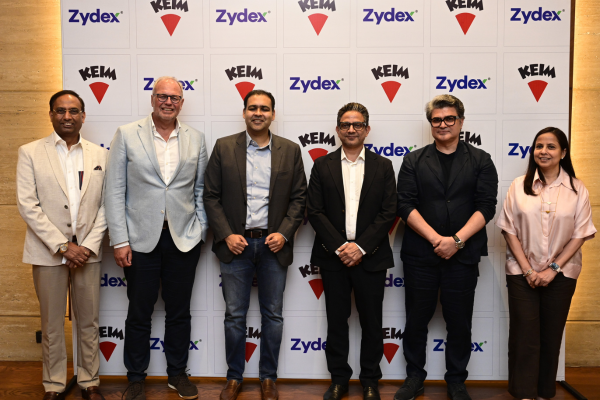
M3M India has entered into a strategic partnership with Zydex Paints to deploy KEIM Regalan, a silicate mineral façade coating manufactured by Germany-based KEIM, across several of its premium residential developments. The collaboration will begin with M3M Golf Hills in Sector 79, Gurugram, where the coating will be applied across the project's exterior façade from July 2026. The agreement has subsequently been extended to include other developments, including The Cullinan, Altitude and Mansion. According to the companies, the partnership is expected to generate approximately INR 100 crore worth of façade painting works over the next three years. The move reflects growing adoption of long-life building materials in India's premium real estate sector, with developers increasingly focusing on durability, lifecycle performance and maintenance efficiency alongside architectural design.Read more
19 Jul 2026
Hyderabad's residential market held steady through the first half of 2026, with home sales inching up 1 percent year-on-year to 19,249 units even as new launches slipped 2 percent, according to Knight Frank India. Property prices rose 7 percent on average, led by Banjara Hills. Meanwhile, the city's office market outperformed, recording its best-ever first-half leasing volume at 7.5 million sq ft, a 29 percent jump, driven largely by Global Capability Centres. Vacancy levels tightened despite fresh supply entering the market.Read more
19 Jul 2026
Sime Darby Property Bhd informed Bursa Malaysia that the Shah Alam High Court has delivered a decision related to a land compensation matter involving one of its units. The court recently set aside a MYR 78.6 million award that had been granted under severance and injurious affection claims. The company disclosed that the decision was issued on July 10, 2026. The matter relates to compensation linked to land acquisition proceedings. Sime Darby Property has not yet provided further financial impact details or additional legal steps following the ruling. The company remains one of Malaysia’s major township and property developers.Read more

19 Jul 2026
The House of Abhinandan Lodha (HoABL) has announced that its 78-acre Nagpur Marina development in South Nagpur has become the first and only project in Central India to qualify as an Alpha Grade Luxury Asset under the assessment framework developed by independent real estate research firm Liases Foras. The research-based framework evaluates luxury developments across five parameters, including brand credibility, location, design, hospitality integration and exclusivity. HoABL said the recognition reflects the project's positioning as an investment-grade luxury development, supported by infrastructure connectivity, managed hospitality services, curated amenities and a limited inventory targeting high-net-worth buyers from India and overseas.Read more

19 Jul 2026
A Federal High Court in Abuja has ordered the final forfeiture of 48 properties linked to former Nigerian Attorney-General and Justice Minister Abubakar Malami after determining that the assets were reasonably suspected to be proceeds of crime. The ruling follows an application by the Economic and Financial Crimes Commission (EFCC), which is prosecuting Malami on money laundering and conspiracy charges involving billions of naira. The forfeited portfolio includes residential, educational and industrial assets located across Nigeria, with the court noting that no successful challenge to the interim forfeiture order was filed within the prescribed period.Read more

Advertisement

19 Jul 2026
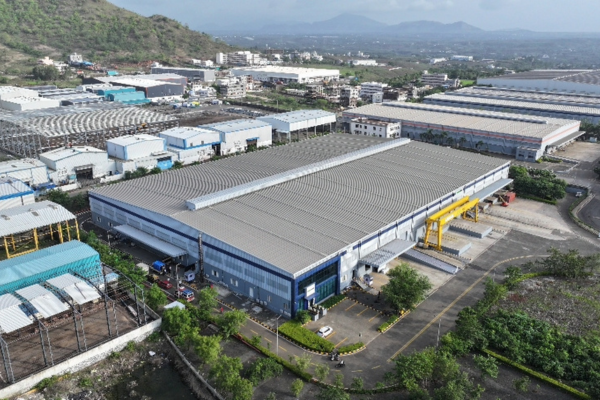
AmpereHour Energy has inaugurated a Battery Energy Storage System (BESS) manufacturing and integration facility at Chakan in Pune, marking its expansion from a system integrator into battery energy storage manufacturing. The facility will manufacture and integrate containerised and cabinet-based battery DC-AC blocks for utility-scale and commercial and industrial applications. Designed with a planned manufacturing capacity of 5 GWh, the plant incorporates the company's proprietary ELINA Energy Management System (EMS) and AH-Suite digital quality management platform to support testing, performance validation and product traceability. The investment forms part of the company's localisation strategy under the Make in India initiative and is intended to strengthen domestic battery energy storage manufacturing capabilities as demand for grid-scale storage and renewable energy integration continues to grow across India.Read more
19 Jul 2026
OTU India, owned by Kaamlo Platform Pvt Ltd, plans to accelerate the development of its workforce management platform following a strategic investment from Tally Solutions. The company will use the funding to enhance its flagship OTUHRPLUS platform, expand customer acquisition and strengthen its presence across India over the next 12 to 24 months. OTUHRPLUS digitises employee management processes, including recruitment, attendance, payroll and shift scheduling, with a particular focus on manufacturing and construction businesses. The company expects to achieve operational break-even during the current financial year and is evaluating a Series A funding round to support international expansion. A key element of the partnership is the integration of OTUHRPLUS with TallyPrime to streamline workforce and payroll management.Read more

19 Jul 2026
ITC Hotels Limited has signed a management agreement for Welcomhotel Dehradun Selaqui, a 117-key hotel that will expand its presence in Uttarakhand and strengthen the Welcomhotel brand in North India. The project, being developed in partnership with Orions Hospitality, marks the company's second Welcomhotel signing in Dehradun under its asset-right strategy. The hotel will comprise guest rooms, multiple dining venues and over 45,000 sq ft of indoor and outdoor event space, catering to business travellers, leisure guests and the meetings, incentives, conferences and exhibitions (MICE) segment. Located in Selaqui, an emerging commercial and industrial corridor of Dehradun, the project is expected to benefit from growing tourism, infrastructure development and improving regional connectivity, while complementing ITC Hotels' recently opened Welcomhotel by ITC Hotels Madhuban Dehradun.Read more

19 Jul 2026
A portion of the third-floor slab in a residential building at Koparkhairane, Navi Mumbai, collapsed during the past week, prompting the Navi Mumbai Municipal Corporation (NMMC) to evacuate the building as a precautionary measure. The incident occurred at Arthav Society in Sector 18, where the slab of Flat No. 302 gave way and fell into the flat directly below. No casualties or injuries were reported. As part of emergency safety measures, civic authorities arranged temporary accommodation for affected residents at Annasaheb Patil Hall in Sector 5, disconnected electricity and water supply to the building, and sealed the premises. Police personnel have also been deployed at the site to prevent unauthorised access.Read more

19 Jul 2026
Homebuyers in India's residential real estate market are increasingly assessing projects on long-term value creation rather than relying solely on location and pricing, according to Smartworld Developers. The developer said buyers are now evaluating factors such as infrastructure growth, capital appreciation, construction quality, execution standards, lifestyle amenities and developer credibility before making purchasing decisions. As regulatory reforms, improved infrastructure planning and greater market transparency reshape the housing sector, residential developments are increasingly being judged on their ability to deliver sustained value, quality living experiences and dependable execution throughout the ownership lifecycle.Read more

Advertisement






Advertisement